The UK Health Security Agency has warned of a ‘rise in deaths’ among vulnerable and elderly people due to the cold weather
Cold weather alerts have been issued across England, warning of a “rise in deaths” among vulnerable and elderly people as temperatures plunge in the coming days.
The UK Health Security Agency (UKHSA) has issued amber cold health alerts until 6 January in every English region.
It is likely the cold weather will cause significant increased demand across health and social care services, as well as seeing temperatures in hospitals, care homes and clinics dropping below recommended levels, the agency warned.
The UKHSA also said health and social care sector could be impacted by staffing issues due to travel delays, while the transport and energy industries could also be affected.
The amber warnings, which will come into effect from 8pm tonight until 10am on 6 January, come as snowfall is expected across much of the country.
New FeatureIn ShortQuick Stories. Same trusted journalism.
Colder air will move south across the UK from tomorrow, bringing with it a marked drop in temperatures, severe gales in the north, and an increasing risk of snow and ice, the Met Office said.
Yellow weather warnings for wind, snow and ice have been issued across the UK.
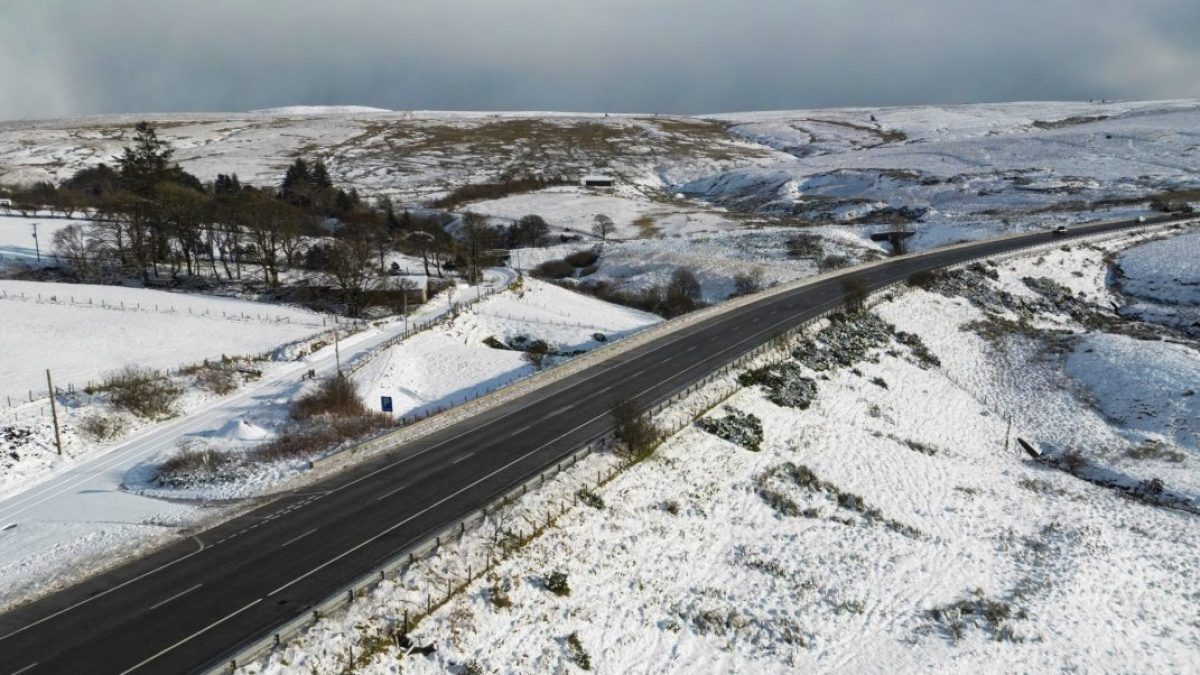
The Met Office said up to 10cm of lying snow is forecast to accumulate by Friday morning in some areas of Scotland, while some places above 200 metres could see 10-20cm of snow and the highest routes and hills may see 30cm or more.
Yellow weather warnings covering northern Scotland are in place until the end of Friday.
In parts of England, as much as 5cm of snow is possible in a few spots, especially higher ground of North Wales and North West England, the forecaster said.
A separate yellow warning for snow and ice has also been issued for Northern Ireland on Friday 2 January from midnight until 10am.
Icy stretches are likely to develop on untreated surfaces during the early hours of Friday and there will also be some snow showers that could lead to patchy accumulations of up to 2cm of snow, the Met Office said.
The cold spell is expected to have an impact on transport, with roads and railways likely to be affected by delays.
Chief meteorologist at the Met Office, Jason Kelly, said “We’re entering a much colder period with Arctic air sinking south to cover the whole country by Friday. Temperatures will fall well below average, with snow showers and snow accumulations likely, particularly in northern and some central areas. There is also a risk of widespread ice.
“Very cold temperatures will continue through Saturday and Sunday, with minus double figures overnight and daytime temperatures not rising above 0°C for many areas.
“Wintry hazards will continue, with more severe weather warnings possible. It looks like this cold spell could last well into next week, so it is important people keep up to date with the latest forecast and warnings and plan ahead.”
Health officials have warned “pressures on hospitals remain incredibly high” and the situation could worsen as temperatures are set to fall.
The average number of flu patients in hospital each day fell to 3,061 in the week ending 21 December, down from an average of 3,140 the week before.
Separately, an average of 285 hospital beds were filled each day in the week ending 21 December by patients with diarrhoea and vomiting or norovirus-like symptoms, down from 427 the previous week.
But demand remains high due to seasonal viruses and bed occupancy is around 95 per cent, which is “well above safe levels”, Rory Deighton, acute and community care director at the NHS Confederation, said.
Professor Meghana Pandit, NHS England’s national medical director, said: “While there are signs of improvement and the NHS is in calmer waters, pressures on hospitals remain incredibly high and we’re not out of danger yet with temperatures set to drop in the coming days.”