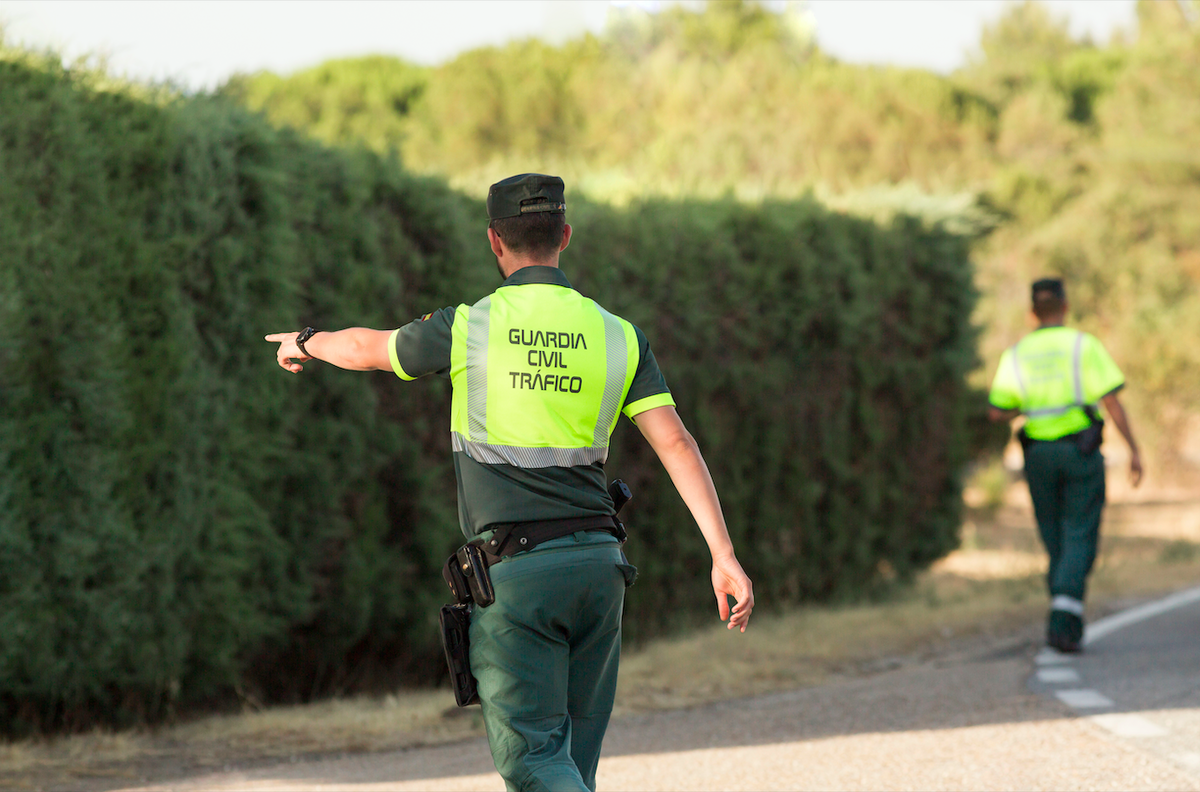
The December operation forms part of a broader set of traffic measures implemented during the Christmas and New Year period. Photo Credit: Juan Carlos L. Ruiz/Shutterstock
More than 500 drivers a day tested positive for alcohol or drugs during Spain’s annual December enforcement campaign, according to official data released by the Ministry of Interior through the Dirección General de Tráfico (DGT). The figures relate to intensified roadside controls carried out nationwide in the days leading up to Christmas, a period traditionally associated with higher traffic volumes and increased social activity.
The campaign ran from December 15 to 21 and formed part of the DGT’s wider Christmas road safety strategy. During that week, traffic officers from the Civil Guard and regional forces increased checks on both urban and interurban roads, with a particular focus on preventing drink- and drug-driving before the main holiday period began.
Nearly 192,000 tests carried out across Spain
Preventive checks form the backbone of enforcement
Official figures show that a total of 191,864 alcohol and drug tests were conducted during the seven-day campaign. Of these, 3,523 returned positive results for alcohol, drugs, or a combination of both. This equates to an average of just over 500 positive cases per day.
Most Read on Euro Weekly News
The DGT has stressed that the vast majority of these tests were carried out as part of preventive controls, rather than following traffic accidents or offences. Authorities argue that random checks remain one of the most effective tools for discouraging dangerous behaviour, as they increase the perceived likelihood of detection among drivers.
Most positives detected during random roadside stops
Authorities underline deterrent effect of visibility
According to the Ministry of Interior, 88.8 per cent of positive results were identified during preventive roadside checks. The remaining cases were detected after traffic violations, road accidents or when officers observed clear signs of impairment.
Traffic officials say this distribution reinforces the importance of maintaining a visible police presence on the roads, particularly during high-risk periods. The DGT has repeatedly warned that drivers often underestimate both the effects of alcohol and drugs and the likelihood of being stopped.
Hundreds of drivers face criminal proceedings
Serious cases referred to the courts
While most positive results resulted in administrative penalties, 233 drivers were referred to judicial authorities during the campaign. Under Spanish law, exceeding certain alcohol thresholds or driving under the influence of drugs constitutes a criminal offence.
Convictions can lead to prison sentences, substantial fines and lengthy driving bans, in addition to the loss of licence points. The DGT has emphasised that criminal sanctions are reserved for the most serious cases, where road safety is deemed to have been significantly compromised.
Alcohol and drugs remain a leading risk factor
DGT warns of persistent impact on road safety
Alcohol and drug consumption continues to be identified by the DGT as one of the main contributing factors in fatal and serious road accidents in Spain. Official accident investigations have repeatedly shown that impairment affects reaction times, judgement and the ability to control a vehicle.
Authorities have also expressed growing concern about drug-driving, particularly involving cannabis and cocaine. While drink-driving has declined over the long term, the DGT notes that drug use behind the wheel has become increasingly prevalent in recent years.
Christmas travel period under special surveillance
Seasonal campaigns aim to prevent avoidable deaths
The December operation forms part of a broader set of traffic measures implemented during the Christmas and New Year period. Additional enforcement is typically scheduled around public holidays, when long-distance travel and social events increase the risks on the roads.
Traffic authorities continue to remind drivers that even small amounts of alcohol can impair driving ability, particularly among novice drivers. Spain applies stricter alcohol limits to new and professional drivers, a rule the DGT says is frequently ignored.
What the official figures show
- 3,523 drivers tested positive for alcohol or drugs in one week
- An average of more than 500 positives were recorded each day
- Nearly 89 per cent of cases were detected during preventive checks
- 233 drivers were referred to the courts for criminal offences
- Alcohol and drugs remain a major factor in serious road accidents
Authorities reiterate zero-tolerance message
Enforcement and awareness to continue in 2026
Following the campaign, the DGT reiterated that there is no safe level of alcohol or drugs when driving. Officials encouraged the use of public transport, taxis and designated drivers, particularly during festive periods.
As Spain looks ahead to future road safety campaigns in 2026, traffic authorities say enforcement will continue to be combined with education and awareness efforts, with the aim of further reducing preventable deaths and injuries on the country’s roads.