Home
»
TRAVEL ALERT
»
England Under Rare Cold-Health Alert: Arctic Freeze Brings Snow And Ice Warnings Across The UK
Published on
January 1, 2026
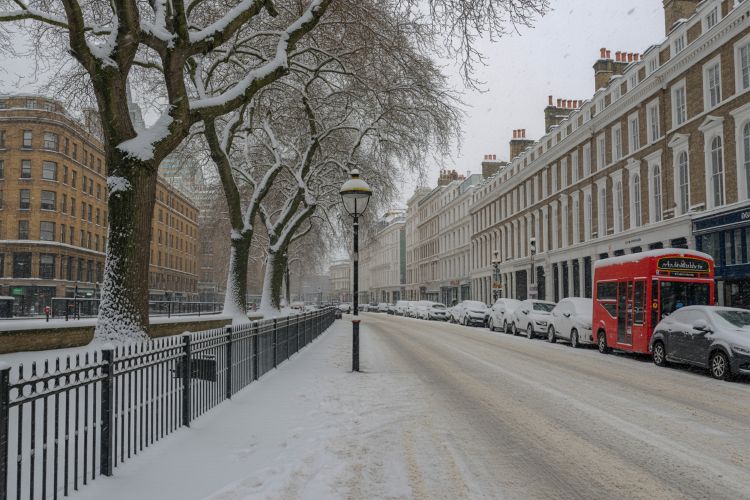
The beginning of the New Year brings an extraordinary cold spell to England, causing the UK Health Security Agency (UKHSA) to issue a rare amber cold-health alert for the whole country. The public health alert indicates that there is a serious risk of health problems due to very low temperatures, with the mercury level dropping to -10°C. The Met Office predicts snow and ice for several areas, among them London, which will result in travel inconveniences and an increase in the number of people at risk.
The cold spell, which could last until January 6, is expected to bring widespread frost and freezing fog. The UKHSA has stated that the extreme cold conditions pose a substantial risk, particularly for older individuals and those with underlying health conditions. There is a strong likelihood of an increase in health complications such as heart attacks, strokes, and respiratory issues during this period. Public authorities have urged people to check in on the elderly and vulnerable, as well as to take necessary precautions.
What the Cold Health Alert Means for England
An amber cold-health alert is typically issued when there is a high risk of harm to vulnerable groups in the population. For the coming week, health authorities are warning that many households may struggle to keep indoor temperatures above the 18°C threshold, particularly in care homes and hospitals. This could put even more pressure on an already strained healthcare system.
The UKHSA has highlighted that cold weather could exacerbate existing health conditions and lead to avoidable deaths. The alert is active from 8 PM on December 31, 2025, through January 6, 2026, and applies to every region of England. The health risks extend not only to the elderly but also to younger groups, with increased strain on public services expected.
Tourism Hotspots Affected by Snow and Ice
Popular tourist destinations in England are bracing for the worst of the weather, as the freeze threatens to disrupt travel plans and the usual flow of visitors. Some of the regions affected by snow and ice include London, Manchester, Greater London and the Highlands. Popular tourist attractions such as the Tower of London, Buckingham Palace, the British Museum and the Natural History Museum could face disruptions, with slippery pavements and reduced accessibility due to snow accumulation. In addition, many outdoor sightseeing activities, including boat tours along the Thames and sightseeing tours across the North of England, may be affected by icy conditions and snow.
Key Tourist Destinations at Risk
- London – Iconic landmarks like Big Ben and the London Eye may face accessibility issues due to snow and ice.
- Edinburgh – The famous Hogmanay celebrations may be disrupted due to wind gusts and freezing temperatures.
- York – The cobbled streets of this medieval city could become hazardous as snow and ice accumulate.
- Cumbria – Snowfall is expected to blanket the region, affecting the Lake District’s popularity with hikers and nature lovers.
- Oxford and Cambridge – These historic cities could experience travel disruptions with icy conditions making sightseeing difficult.
Safety Protocols for Tourists
With the cold weather presenting a significant hazard, both locals and tourists are urged to take the following precautions:
- Dress in Layers – Wear thermal clothing and avoid staying outdoors for extended periods.
- Check Local Weather Warnings – Regularly monitor the Met Office’s updates for any changes in weather warnings.
- Stay Indoors During Extreme Cold – Avoid unnecessary outdoor travel when the temperatures are at their lowest, especially at night.
- Watch for Slippery Surfaces – Snow and ice can make surfaces dangerously slippery, so take extra care while walking.
- Stay Updated on Transport Delays – With the likelihood of disruptions to public transport, ensure that travel plans are flexible and that any travel disruptions are closely monitored.
Tourists visiting England during the cold snap should be cautious about winter hazards, especially on outdoor tours and visits to heritage sites. Visitors to the countryside or mountainous areas should be prepared for snow accumulation and icy roads.
Impact on Travel and Services Across the UK
As a result of the cold snap, the Met Office has issued a yellow warning for snow and ice, which will affect regions across England, Wales, Scotland, and Northern Ireland. Snow could accumulate between 2 to 5 cm in some areas, with up to 30 cm in higher regions. This is expected to cause severe disruptions to transport networks, including longer journey times by road, bus, and train. In particular, delays at airports and railway stations should be anticipated, especially for those traveling between northern and southern parts of the UK.
Transport services in London, Manchester, and other major cities are likely to face delays as snow and ice accumulate over time. Travelers are urged to carry extra clothing, prepare for longer waiting times, and take necessary precautions to stay safe in freezing conditions. Additionally, several public transport services may face disruption due to the icy roads.
Looking Ahead: Preparing for More Snow and Ice
Looking ahead, the UK can expect even colder conditions as we enter 2026. Snow and ice warnings are set to continue, with more areas expected to be affected by severe weather through the first week of January. The public is advised to stay informed of any updates from the UKHSA and the Met Office, as conditions are likely to evolve.
With winter continuing to hold the UK in its grip, this rare cold-health alert serves as a stark reminder of the need for vigilance in extreme weather conditions. Everyone, residents and tourists alike should take all necessary precautions to stay warm, safe, and healthy during this challenging cold snap.
Final Thoughts
During this rare Arctic freeze, health and safety should be the main concern for both residents and visitors in the UK. This is a situation where travel disruptions, snowfall and freezing temperatures, and an increased risk to the population’s health come together to make it essential to pay attention to the advice of the UK Health Security Agency and the Met Office. If you are going to see the attractions of London or if you are going to the Lake District to enjoy winter sports, make sure you are ready for the worst possible weather, keep yourself warm, and stay updated about the local conditions.
