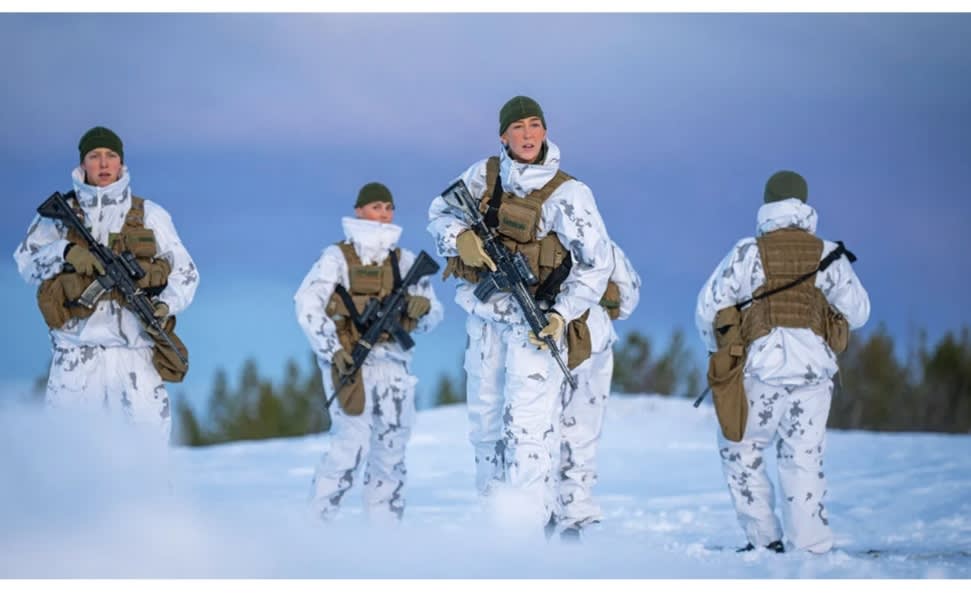
Across Europe, a message once confined to military briefings is now reaching ordinary citizens: prepare for the possibility of war. In recent months, senior European generals and defense officials have issued unusually blunt warnings, urging governments and populations alike to adjust to a new era of insecurity. These statements reflect growing anxiety over geopolitical tensions, particularly involving Russia, NATO’s eastern flank, and the long-term stability of the European continent.
For decades, much of Europe lived under the assumption that large-scale war was a relic of the past. The fall of the Berlin Wall, the expansion of the European Union, and decades of relative peace fostered a belief that diplomacy and economic integration had replaced armed conflict. That illusion has been shattered.
Why Europe’s Military Leaders Are Speaking Out
European generals are not predicting an imminent invasion tomorrow. Instead, they are warning that the risk of conflict is higher than at any point since the Cold War. Russia’s war in Ukraine, ongoing hybrid warfare tactics, cyberattacks, disinformation campaigns, and increased military exercises near NATO borders have forced defense planners to rethink long-standing assumptions.
Military leaders in countries such as Germany, France, the United Kingdom, Sweden, and the Baltic states have emphasized that Europe must be mentally, economically, and militarily prepared for scenarios that were once considered unthinkable. Their warnings are aimed not only at politicians, but also at civilians who may underestimate how modern conflict affects everyday life.
A Shift From Comfort to Readiness
The language used by Europe’s generals marks a significant shift. Instead of reassuring the public, many are now stressing the need for resilience and preparedness. This includes strengthening armed forces, increasing defense budgets, protecting critical infrastructure, and ensuring societies can function during prolonged crises.
Some officials have openly discussed the need for civilians to understand emergency procedures, supply chain vulnerabilities, and the importance of civil defense. In northern and eastern Europe, governments have already begun updating civil preparedness guides, advising households on emergency supplies and crisis response.
These warnings are not meant to cause panic, military leaders insist, but to counter complacency.
Russia, Ukraine, and the Shadow Over Europe
At the heart of these warnings lies Russia’s ongoing war in Ukraine. The conflict has demonstrated how quickly regional tensions can escalate into a prolonged, destructive war with global consequences. For European generals, Ukraine is not a distant battlefield—it is a stark reminder of what happens when deterrence fails.
Many military officials believe that Russia’s ambitions may not stop at Ukraine. While NATO membership protects many European states, the alliance itself faces increasing pressure to maintain unity and readiness. Any miscalculation, generals warn, could draw Europe into a wider confrontation.
Beyond conventional warfare, Europe faces hybrid threats: cyberattacks on power grids, sabotage of undersea cables, interference in elections, and disinformation campaigns designed to weaken public trust. These tactics blur the line between peace and war, making preparedness even more essential.
Rebuilding Europe’s Military Strength
Europe’s generals are also warning that decades of underinvestment have left many armed forces ill-prepared for sustained conflict. Stockpiles of ammunition are low, equipment is aging, and recruitment challenges persist. While defense spending has increased since the invasion of Ukraine, rebuilding military capacity takes time.
Countries like Germany have announced massive defense modernization programs, while others are expanding conscription, reservist systems, and joint military exercises. The goal is not aggression, but credible deterrence—the ability to prevent war by making its cost unmistakably high.
Military leaders stress that preparedness itself is a peace strategy.
What “Preparing for War” Really Means
Despite alarming headlines, generals emphasize that preparation does not mean expecting inevitable conflict. Instead, it means strengthening resilience at every level of society.
This includes:
Protecting energy supplies and communication networks
Ensuring food and medical supply chains remain stable
Educating citizens on emergency response
Countering disinformation and cyber threats
Supporting allies through collective defense
Modern warfare affects civilians long before the first shot is fired. Power outages, economic shocks, refugee flows, and cyber disruptions can reshape daily life. Preparation, leaders argue, reduces vulnerability and saves lives.
Public Reaction and Political Challenges
Public reaction to these warnings has been mixed. Some Europeans welcome honesty from military leaders, seeing it as overdue realism. Others fear that such rhetoric fuels anxiety or escalates tensions unnecessarily.
Politically, governments must balance defense spending with social needs at a time of economic pressure. Convincing voters to prioritize military readiness remains challenging in societies accustomed to peace dividends.
Yet generals argue that ignoring risks would be far more costly in the long run.
A Defining Moment for Europe
Europe now faces a defining moment. The continent must decide whether it continues to rely on assumptions of lasting peace, or whether it adapts to a world where security can no longer be taken for granted.
Europe’s generals are not calling for fear—they are calling for awareness, unity, and responsibility. Their message is clear: peace is preserved not by wishful thinking, but by preparedness.
Whether political leaders and the public choose to heed these warnings may shape Europe’s future for generations to come.