
Home
»
Airlines News of UK
»
British Airways Ends Hot Breakfast on Short European Club Europe Flights, Reshaping Premium Travel Experience Across the United Kingdom and Europe
Published on
January 1, 2026
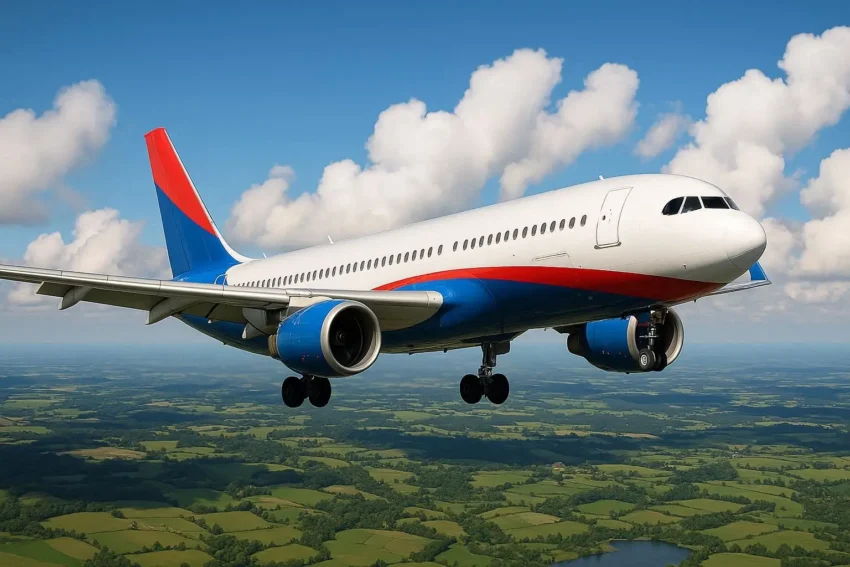
A notable shift in short-haul premium air travel across the United Kingdom and Europe has been confirmed, as British Airways, the UK’s flag carrier, prepares to revise its onboard breakfast service in Club Europe. From January 2026, a long-standing feature of the airline’s short-haul premium offering will be altered on select routes, reshaping passenger expectations on some of the busiest European corridors. The decision affects flights operating from major UK hubs, including London Heathrow Airport and London Gatwick Airport, to nearby European destinations that are central to business and leisure travel.
For decades, British Airways has positioned itself as a full-service airline even on brief European sectors, with hot breakfasts serving as a symbolic marker of quality and national travel culture. The revised approach introduces a lighter, simplified breakfast tray in place of multiple hot meal choices on certain routes. While framed as a service efficiency measure, the change has broader implications for premium travel standards, airline competition, and passenger perception within the European aviation and tourism landscape. As travel between the United Kingdom, Ireland, France, Belgium, and the Netherlands continues to rebound, this development reflects evolving priorities within short-haul airline operations.
Overview of the Service Change
From January 7, 2026, a revised Club Europe breakfast service will be implemented on a limited number of short-haul European routes. On these flights, the traditional offering of two or three hot breakfast options will no longer be provided. Instead, passengers will receive a single standardized tray featuring a fruit plate, yogurt, and a heated pastry.
This adjustment will apply specifically to services connecting London Heathrow Airport and London Gatwick Airport with Amsterdam, Belfast, Brussels, Dublin, Jersey, Manchester, Newcastle, and Paris Charles de Gaulle. These destinations represent some of the most frequently operated and shortest routes within the British Airways European network.
All other European routes served by the airline will continue to feature a full hot breakfast in Club Europe, ensuring that the change remains limited in scope rather than network-wide.
Routes Affected and Flight Duration Context
The routes selected for the revised breakfast service are characterized by block times typically ranging from 45 to 60 minutes. These flights rank among the shortest international and domestic services operated by British Airways, yet they also represent critical links for business travelers, government officials, and leisure passengers moving between major European cities.
Historically, the airline has managed to deliver full hot meals even within these tight timeframes, a practice that has distinguished it from many competitors. The ability to provide a complete breakfast service on such short flights has often been highlighted as evidence of operational efficiency and premium positioning.
Comparison With European and Global Competitors
Across Europe, cold breakfast offerings on short-haul premium flights have become the norm rather than the exception. Airlines such as Air France, KLM, Lufthansa, and SWISS typically serve light, cold meals on flights of similar duration. Within this broader context, British Airways has stood out by maintaining hot breakfast options, particularly on early-morning departures from the United Kingdom.
In comparison, airlines in the United States often provide limited food service on short domestic premium routes, with some flights offering only packaged snacks or beverages. Against this backdrop, the previous British Airways approach exceeded common industry standards for flights under one hour.
Cultural Expectations and the British Travel Experience
Within the United Kingdom, the cultural significance of a cooked breakfast has long extended into the travel sphere. British travelers have traditionally associated a hot breakfast with comfort, value, and hospitality, especially when traveling in a premium cabin.
In contrast, passengers from countries such as France, Germany, and Switzerland are generally more accustomed to lighter morning meals. This cultural difference has allowed British Airways to leverage its breakfast service as a subtle yet meaningful competitive advantage on short European routes.
By moving to a simplified offering, that distinction is being reduced, particularly for frequent travelers who have come to associate Club Europe with a higher level of onboard service.
Impact on Business and Premium Travelers
For business travelers commuting regularly between the United Kingdom and nearby European capitals, the change is likely to be interpreted as a downgrade in service. Club Europe fares are typically priced at a significant premium over economy class, with expectations extending beyond seat configuration to include dining quality and overall onboard experience.
While some passengers may welcome a lighter breakfast option, especially those with dietary preferences or limited appetite during early departures, the premium cabin is generally designed to reflect majority expectations rather than niche preferences.
Operational Efficiency and Cabin Crew Considerations
The revised breakfast service has been positioned as a measure designed to simplify onboard operations. On very short flights, the time available for meal distribution, collection, and passenger interaction is limited. By reducing catering complexity, additional time can theoretically be allocated to customer engagement and personalized service.
However, it has been noted that full hot breakfasts have historically been delivered successfully on these routes, raising questions about whether operational constraints alone justify the change.
Cost Pressures and Strategic Context
Although framed as a customer-focused adjustment, the revised breakfast service aligns closely with ongoing cost-control strategies within the airline industry. Catering represents a significant operational expense, particularly on high-frequency short-haul routes where margins are often tight.
A simplified meal reduces preparation costs, loading times, and food waste, while also streamlining logistics across multiple daily departures. British Airways has previously explored similar measures on long-haul services, including adjustments to meal timing, some of which were later modified following passenger feedback.
Within this historical context, the current decision appears consistent with broader efforts to balance service quality against financial efficiency.
Implications for Travel and Tourism in Europe
Short-haul flights between the United Kingdom and neighboring European countries form the backbone of regional tourism, business travel, and cultural exchange. Service changes on these routes can influence traveler perception not only of an airline, but of the broader travel experience between countries such as the United Kingdom, Ireland, France, Belgium, and the Netherlands.
While the revised breakfast may not deter travel demand, it contributes to a gradual reshaping of what premium short-haul travel looks like in Europe, particularly as airlines continue to reassess legacy service elements.
Bottom Line
From January 7, 2026, hot breakfast service will be discontinued on eight of the shortest and busiest British Airways Club Europe routes across the United Kingdom and Europe. A lighter breakfast of fruit, yogurt, and a pastry will replace multiple hot meal options, while other European routes will retain the existing service.
The change has been justified through service efficiency and operational considerations, yet it also reflects broader cost-management priorities. As premium short-haul travel continues to evolve, this adjustment marks a subtle but meaningful shift in the European airline travel experience.
