Home
»
Latest Travel News
»
Iceland Joins Germany, Sweden, Switzerland, Belgium, And Austria In Seeing Unbelievable Tourism Declines: Find Out The Shocking Truth Behind Europe’s Top Tourist Destinations Losing Visitors
Published on
January 1, 2026
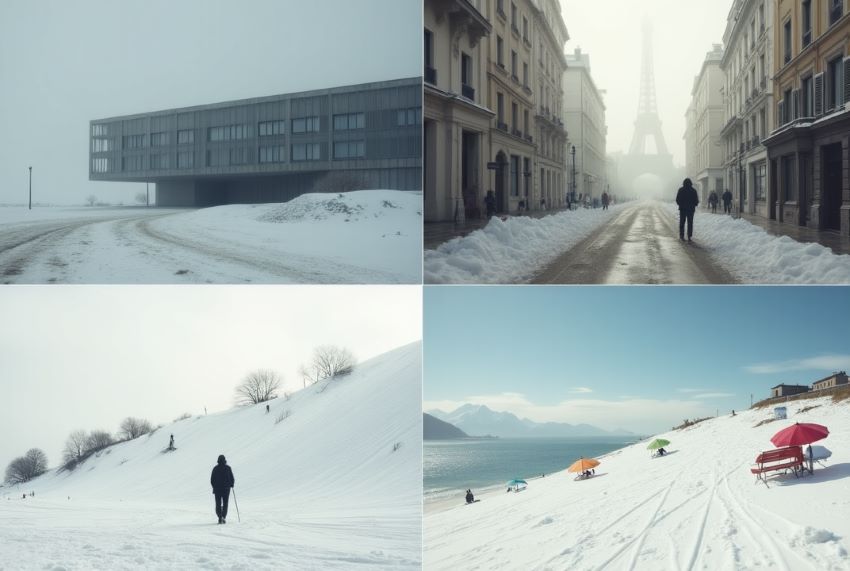
Iceland has now joined the ranks of Germany, Sweden, Switzerland, Belgium, and Austria in experiencing unbelievable tourism declines. These once-thriving tourist hotspots are now seeing significant changes in the number of visitors, and the reasons behind it may just surprise you. Iceland, Germany, Sweden, Switzerland, Belgium, and Austria were once the most preferred destinations for travelers, but are now facing a significant downturn in tourism. This shift is unbelievable and unprecedented. This rapid change in tourism patterns over these destinations is alarming, and it is critical to understand what and how it is happening. Travel and Tour World recommends reading this story in full to understand the shocking truth behind the loss of visitors and the implications for Europe’s top tourist destinations. These now unpopular countries are faced with a significant challenge. This is how countries once popular and with the most visitors are now positioned at the bottom in tourist numbers.

Superb Sharp Fall In Tourist Numbers In Europe’s Most Popular Holiday Destinations In 2025
The European tourism market is changing rapidly. Over the 2025 holiday season, fewer travelers are visiting Europe’s top destinations. To name a few, Iceland, Germany, Spain, and Croatia are experiencing this holiday season. Over the next few paragraphs, we will reveal and analyze the reasoning and driving factors of this unprecedented fall. Is this a long-lasting drop in tourism and a severe loss of economic gain for these European destinations, or is it just a temporary phenomenon? The answer is in the numbers, so buckle up.
Iceland’s Icy Decline: Decrease in Tourists and Revenue
Iceland is experiencing a dramatic decrease in tourism. Holiday reservations for 2025 reflect a confirmed decrease in tourism for Iceland each year leading up to it. Less and fewer reservations for Iceland’s hotels are available each day. There is also a decrease in available flights. Compared to last year, reports show there is at least an 11% decrease in overall visitors. This begs the question: what happened?
The previous magnet for tourists is now a deserted destination. For a long time, Iceland was a hot spot, especially during the winter months, for tourists wanting to visit the Northern Lights and for breathtaking winter scenery. What makes the issue complex is that it is now an ongoing issue. Tourists are looking for different holiday spots. Currently, it’s a combination of different aspects. There has been rising costs of tourism, specifically to Iceland. This is also in part due to the Icelandic króna, the country’s currency, resulting in more expensive tourism. This makes places like Norway more attractive due to lower traveling costs. Also, there has been a significant decrease in advertising for Iceland as a whole, making it less attractive for tourists.
Germany: Why Tourists Are Staying Away From Berlin and More
Germany has always been popular with tourists, but this is changing. Cities such as Berlin and Munich are seeing a drop in international visitors for the holidays. Why is this happening? Experts say high travel costs, combined with the current economic climate, are driving people to consider different travel options. Travelers are looking for cheaper destinations, especially those with warm weather.
But it’s not only about the cost. Most tourists are also changing their travel preferences. Travelers are seeking more off-the-beaten-path options, as they are more interested in relaxing and less busy places. Tourism in Germany has been struggling after the pandemic, as major cities, such as Berlin, are no longer preferred as travel destinations. The tourism market in Europe is also recovering at a slower rate, contributing to Germany’s tourism issues. The gradual readjustment of tourism in the cities also leads to compounded stalled growth. Can Germany’s tourism industry recover from the current downturn?
Sweden’s tourism problems: Why are the Swedes losing?
Sweden and its picturesque cities and foreign snowy landscapes are also feeling the same effects of the declining tourism numbers. Tourism receipts are declining from foreign arrivals in 2025. Why is this the case? The changing travel preferences, along with price competition, are the answer. Sweden is experiencing a drop in travel desire as the primary tourism market, the US and the UK, face economic issues. Travel costs have increased, and with the availability of cheaper travel options, many tourists have decided to overlook Sweden as a travel destination.
Seasonal changes are impacting tourism in Sweden. Now more than ever, tourists are avoiding northern Europe in favour of warmer destinations like the southern European region. Sweden’s tourism industry now has to compete with not only the other Nordic countries but also southern Europe. Has Sweden lost its edge as a sought-after winter destination?
Switzerland’s Struggle: Why The Swiss Alps Aren’t Enough to Attract Tourists
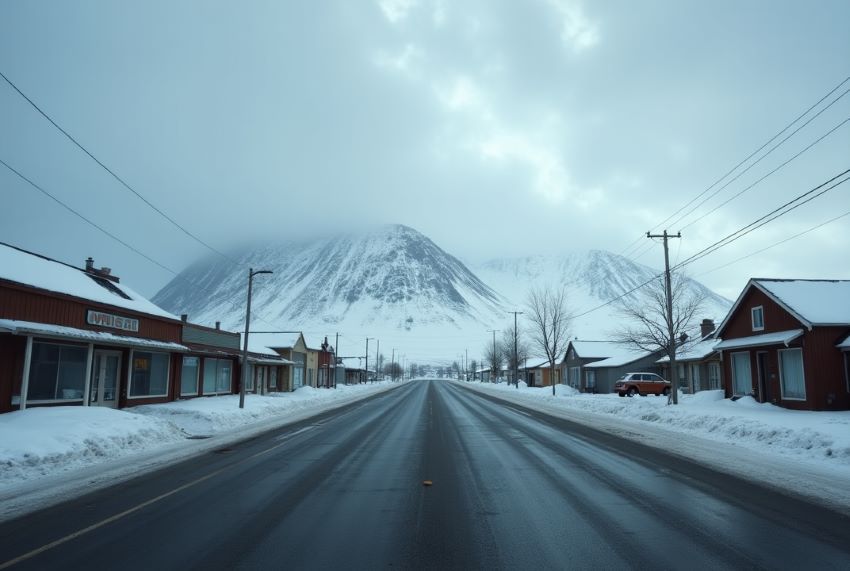
Switzerland has long been a winter tourism destination for its picturesque, snow-covered mountains and the luxury skiing resorts dotting the landscape. However, for even this stunning country to experience tourism growth for the first time in history, Switzerland has never experienced tourism growth Slow. What’s the reason behind the phenomenon?
The answer lies in the country’s costs. Switzerland has always been regarded as a highly expensive destination for its accommodation, food, and leisure activities. The expensive offerings are driving a large and significant portion of visitors and potential new visitors to competitors who are providing more affordable destinations. With already high travel costs, the lag of economic growth, and new market disruptions, the tourism deficit for Switzerland will only extend its anticipated end date into the already declining timeline of 2026.
Belgium: A Decline in Tourist Bliss – What Happened?
Belgium’s charming cities, like Brussels and Bruges, attract thousands of tourists every holiday season, and the 2025 holiday season is no different. However, this year, whilst tourist arrivals have increased, the revenue from tourism has significantly decreased. What could explain this paradox? Experts believe it is because tourists are spending less on their visits. Although there are more visitors, they are spending less and looking for budget-friendly tourism activities.
Tourism in Belgium is changing. Given that the country depends on both business and leisure travel, visitors can be impacted heavily by the market. More challenges are added to Belgium’s tourism as more destinations with similar experiences emerge, especially with lower prices. In spite of all of this, can Belgium boost its tourism revenue?
Austria: Ski Resorts Losing Their Shine – Why Are Fewer Tourists Going to the Slopes?
Ski tourism in Austria is synonymous with winter tourism. However, this is changing. In 2025, the winter tourism market in Austria will continue to see stagnant or reduced overnight stay growth. Why is that? Increases in travel costs and an increase in competition from other budget-friendly destinations are the answer. Austria’s winter luxury resorts are becoming less appealing to visitors as travel costs increase across Europe. More competition from other lesser-known ski resorts offering competitive packages is affecting overall tourism in Austria.
With costs rising, tourists are looking to receive more value. In order to receive more value from tourism in the country, Austria’s tourism will have to adapt to these changes. If they continue to refuse to adapt, Austria’s tourism will continue to fall off.
Crises In Irish Tourism – Why Are Fewer People Visiting The Emerald Isle?
As of 2025, visitors to Ireland have significantly declined. Why do hotel prices hinder tourism? The Irish hospitality market offers the most expensive accommodations in Europe, driving price-sensitive travel customers away.
The second most important reason is the fallout from Brexit, which has steered Irish tourism away from the UK, historically Ireland’s most important tourism market. In addition to Brexit, adverse weather conditions and increased competition from other holiday destinations have impeded growth in Ireland’s tourism. Will the Emerald Isle find a way to rejuvenate itself?
Why Are Tourists Staying Away From Paris And The Rest Of France?
All of France is one of the most visited tourist countries in Europe and across the world. However, tourism in several areas of France is on the decline. The demand for short-term rentals is declining, as is the growth of tourism in the most important cities, especially Paris. Why is this? Travelers are actively searching for and finding affordable destinations that offer more open space. Paris is losing its place as the world’s biggest tourist attraction to lesser-known areas.
The steep cost of living in cities such as Paris is also discouraging visitors from spending big on lodging and food. Instead, visitors are looking for more genuine and less popular destinations, instead of Paris’s crowded streets. Can France maintain this trend, or is there a chance of regaining its charm for international visitors?
Spain is a Beach Paradise Losing Appeal – Why Tourists Are Staying Away
Spain is a leading tourist attraction; however, its traditional beach destinations are now experiencing a decline in visitors. Tourists reconsider their choices as a result of overtourism and the high summer heat. Spain’s beaches no longer sustain the draw as movements against tourism further exacerbate the focus on the need for less crowded beaches.
The popular locations like Barcelona and the Canary Islands are suffering from overcrowding, and the need to limit tourism is resulting in protests and other laws. The combination of high heat and a quieter need is shifting Spain’s tourism focus away from traditional beach resorts.
Croatia: Increasing Competition and Declining Costs: Why Tourism Is Currently Falling
The Mediterranean is one of the most frequented tourist traps in Europe, and Croatia is consistently one of the biggest winners in tourism revenue and number of visitors. Croatia is one of the most expensive Mediterranean countries to travel to and stay in, with progressively increasing prices of accommodations and services. Because of aggressively increasing prices, tourism revenue and the number of visitors to Croatia is on the downturn. With other countries within the Mediterranean region aggressively increasing their tourism marketing while providing comparable to cheaper prices, Croatia’s tourism is currently on the decline and struggling to maintain appeal.
For Croatia to maintain its status, it must aggressively diversify tourist offerings within the location rather than solely on summertime beach tourism.
The Underlying Issues: Why Is Europe’s Tourism In Crisis
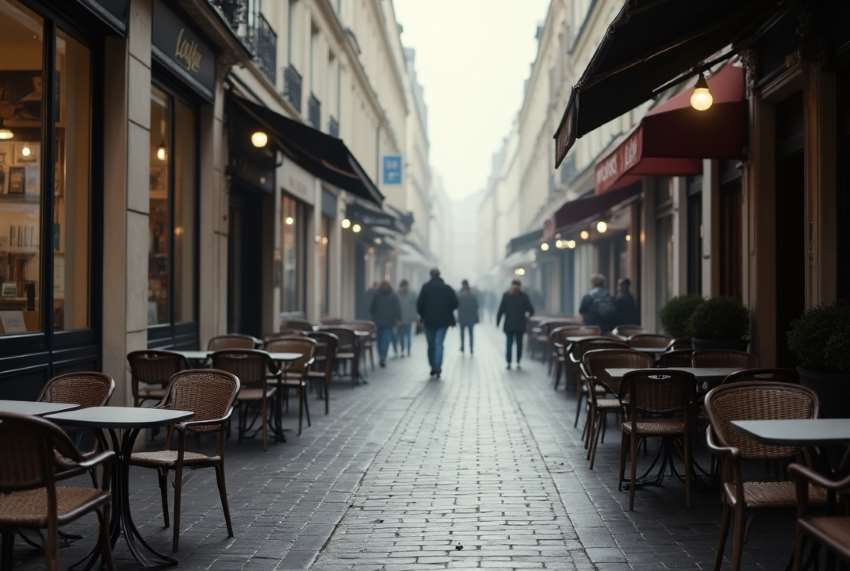
The prevalent and most easily identifiable cause of the decline in tourism in Europe is the increasing costs. Costs of accommodations, new experiences, and travelling Europe, in general, are going up substantially, and many tourists may experience a sense of burden, loss of control, and drained energy when realizing the travel costs associated with their vacation. Additionally, the climate is changing and impacting tourism patterns across Europe. Increasingly severe and unpredictable weather is causing people to become more travel-averse, while people travel less to other countries and stay in Croatia. Tourist travel is less and less to notoriously overcrowded countries and cities and more to less populated countries and cities.
Conclusion: Can These Destinations Recover?
Europe’s top tourist destinations are experiencing a significant drop in visitors for a number of reasons that are both complicated and interconnected. With high travel expenses, changing travel habits, and tourist over-saturation, declining European tourism can be attributed to a number of factors. It is still unclear if these destinations will be able to recover; however, one thing is certain: Europe is at an important crossroads in terms of its travel and tourism business.
