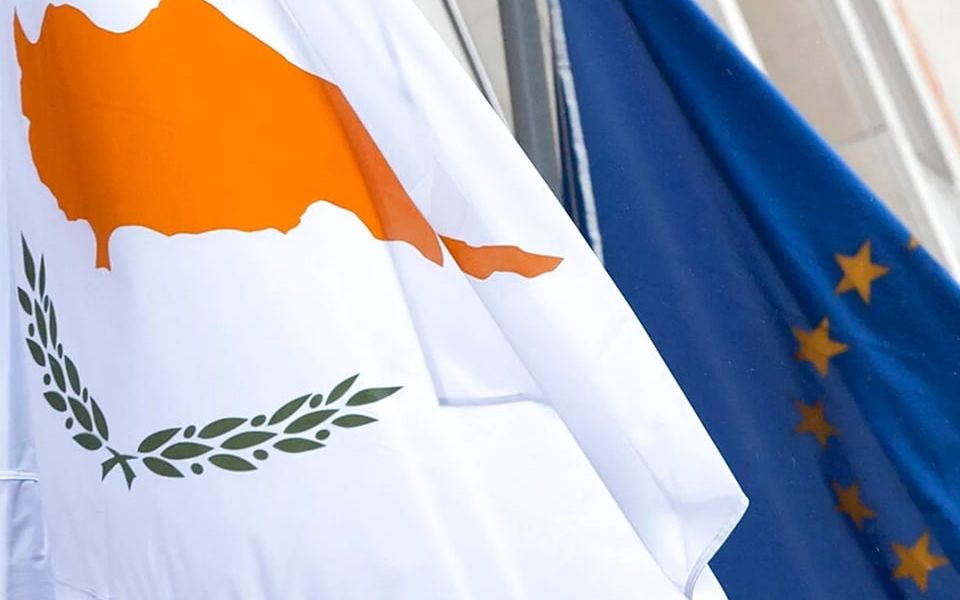
Supporting Ukraine, accelerating EU defense readiness and advancing enlargement talks top Cyprus’ agenda as it began its six-month term holding the rotating presidency of the Council of the European Union on January 1.
Cypriot President Nikos Christodoulides said backing Ukraine will be a central priority, framing Russia’s war as a test of European security planning and the EU’s ability to take timely decisions on defense. Cypriot officials have pointed to the need for faster implementation of agreed initiatives rather than new declarations.
Cyprus’ assumption of the EU Council presidency comes at a “pivotal time for Europen” European Parliament president Roberta Metsola said on Thursday.
“Expectations are high. I know that Cyprus is fully prepared to take on this responsibility,” she told the Politis newspaper.
A major focus for Nicosia will be work linked to the European Commission’s White Paper for European Defense – Readiness 2030 and the accompanying Defense Readiness Roadmap. The Commission says the roadmap sets targets and milestones to improve EU defense capabilities by 2030, including coordinated projects on air and space defense, drones and monitoring the EU’s eastern flank. Member states are expected to move early in 2026 from broad political support to identifying concrete projects and financing.
Enlargement is another stated priority. Christodoulides has said Cyprus will seek progress on Moldova’s EU accession track and support enlargement more broadly as part of the bloc’s long-term security architecture. While accession decisions require unanimity, the rotating presidency can influence the pace at which dossiers are prepared and debated.
Cyprus has adopted the motto “An autonomous Union – Open to the world,” framing its presidency around security, migration management and stronger engagement with the EU’s southern neighborhood, as it navigates a crowded legislative agenda as one of the bloc’s smaller member states.
“Cyprus brings valuable experience to the European table and is well placed to help guide the union on critical issues, from supporting Ukraine and promoting stability in the Middle East, to managing migration, strengthening energy resilience, and boosting Europe’s competitiveness,” Metsola said.
Cyprus took over from Denmark and will chair most Council formations through June 30, organizing ministerial meetings, steering negotiations among member states and representing the Council in legislative talks with the European Parliament. The Foreign Affairs Council is chaired separately by the EU’s high representative.