Home
»
RAILWAY NEWS
»
United Kingdom, France, Belgium, Netherlands Call for Improved Infrastructure as Eurostar Experiences Ongoing Delays After Channel Tunnel Power Outage: Here is What You Need to Know Before You Plan
Published on
January 1, 2026
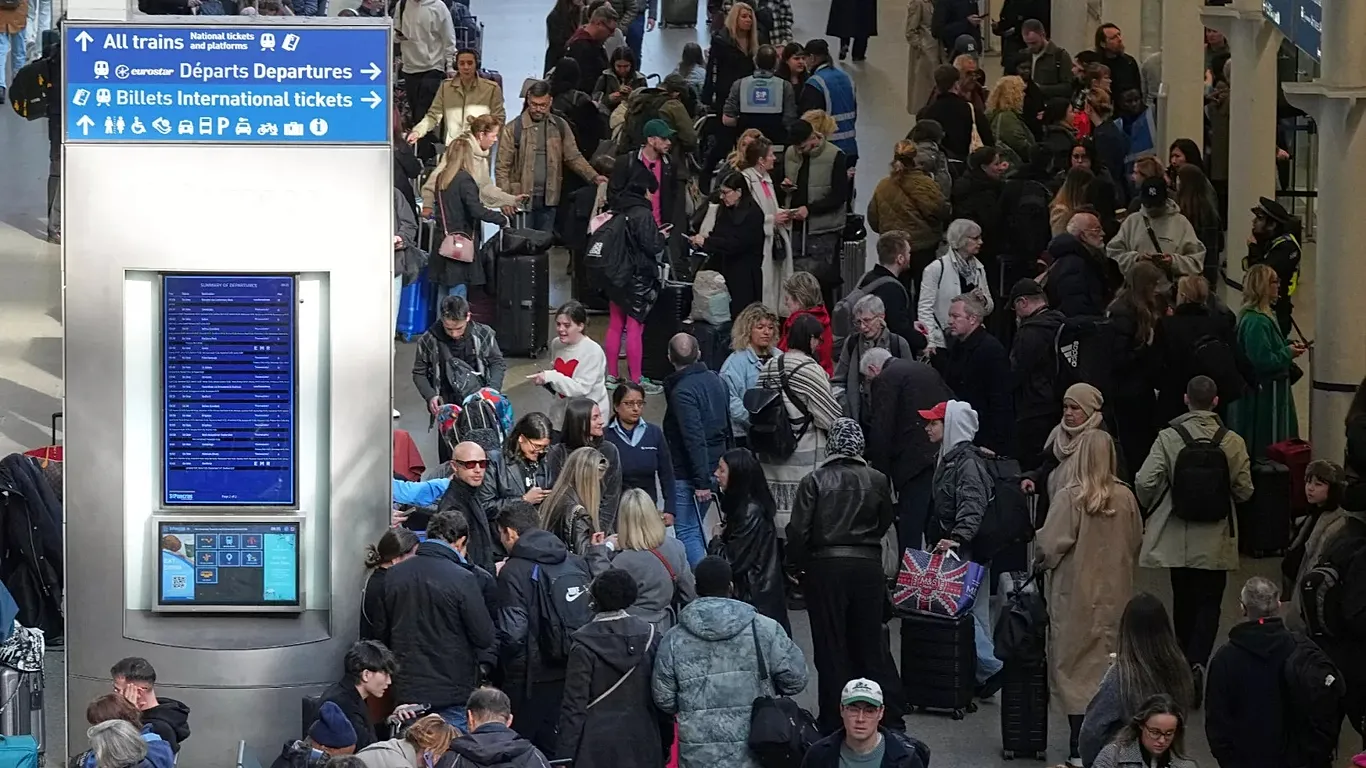
In the heart of the festive travel season, a major power failure in the Channel Tunnel disrupted Eurostar services between the United Kingdom and France, causing significant delays and frustration for passengers. The 50-kilometre undersea tunnel, a vital link between continental Europe and the United Kingdom, was temporarily incapacitated due to a power fault. The issue, which began with an electrical malfunction inside the tunnel, led to hours of chaos, particularly for those traveling between London and Paris, Brussels, and Amsterdam. Although the problem was fixed overnight, the ripple effects continued to affect travel for days.

Eurostar Service Resumes After the Power Outage
The tunnel operator, Eurotunnel, confirmed that full capacity was restored after the power failure was addressed overnight on Tuesday. Services resumed, but the damage had already been done. Travelers were left in limbo as the effects of the disruption extended into the next day. Despite the power being restored, the Eurostar train company warned of continued delays, citing “knock-on impacts” from the previous day’s chaos. It was reported that disruptions persisted, with numerous Eurostar trains from London to Paris, London to Brussels, and London to Amsterdam experiencing delays and cancellations.
Eurostar’s website confirmed that some trains were cancelled, particularly those traveling in the morning, and others were delayed by several hours. Passengers were advised to check for updates and were encouraged to reschedule their journeys if possible.
The Root Cause: Power Malfunctions and a Broken-Down Train
The initial disruption was caused by a significant power failure within the Channel Tunnel. However, this was not the only issue that compounded the chaos. In addition to the power malfunction, a Eurostar train broke down, further aggravating the situation. The train, which was en route from London to Paris, had suffered a mechanical failure, trapping passengers for an extended period.
Eurostar officials reported that an overhead power cable had fallen onto a Eurostar train, near the entrance of the Channel Tunnel. This incident caused further delays as efforts to move the train and clear the tracks proved “very complex.” Passengers on board were left without power for several hours, causing discomfort and distress, especially given the long journey times. In some instances, travelers were left without electricity, heating, air-conditioning, or the ability to charge their phones, worsening the already tense situation.
Impact on Passengers: A Nightmare Journey
The chaos caused by the power failure and broken-down train had a profound effect on passengers. One particularly harrowing account involved a traveler on a Eurostar journey from London to Paris, which was supposed to take approximately 90 minutes. Due to the breakdown and power issues, the trip took nearly 11 hours instead. Passengers were stuck on the train overnight, with intermittent power and no access to basic amenities like heating or air-conditioning.
The discomfort of being stuck in total darkness for parts of the journey was further exacerbated by the lack of communication from Eurostar, which left many passengers frustrated and anxious. One traveler described the experience as “a total nightmare,” highlighting the poor conditions and lack of information provided by the staff.
Eurostar’s Response and Ongoing Disruptions
Despite the best efforts of the Eurotunnel and Eurostar teams to resolve the issue, the disruptions had a lasting impact. After the power failure was fixed, the Eurostar company issued a statement reassuring passengers that services had returned to normal, but it was clear that many were still affected by the residual delays. The effects of the previous day’s chaos were still felt as trains continued to run late, and some routes were canceled altogether.
It was noted that the delays were not only a result of the initial power malfunction but also the cascading effects of the breakdown and the time it took to clear the affected trains. Although Eurostar managed to get the system back on track, it was clear that some travelers would face inconveniences for several more days.
The Knock-On Effects: Holiday Travel Plans Disrupted
The timing of the power failure could not have been worse. With the New Year holiday just days away, the Eurostar disruption caused considerable upheaval for those traveling to celebrate with family and friends. The holiday season is one of the busiest times of the year for Eurostar services, and the failure compounded travel woes for many passengers already facing crowded trains and stations.
In addition to the delayed trains, many passengers were forced to scramble for alternative transportation options, including flights and buses. The Eurostar company advised passengers to expect delays and cancellations during the period, with the promise that the team was working tirelessly to mitigate the impact. Still, the frustration felt by passengers was evident, especially given the chaos and uncertainty surrounding the situation.
Reassessing the Infrastructure: Future Challenges for Eurostar and Eurotunnel
The power malfunction has raised questions about the reliability of the Channel Tunnel infrastructure and the systems in place to prevent such disruptions. While Eurotunnel quickly restored the tunnel to full capacity, the incident highlighted vulnerabilities in the system that need to be addressed to prevent future problems. The Eurostar company has committed to improving its services and systems, with promises to bolster contingency plans and better manage potential power failures in the future.
In the wake of the disruptions, there have been calls from passengers and industry experts for greater transparency and communication during travel delays. Many have argued that Eurostar’s handling of the situation could have been improved with more proactive communication, especially regarding the prolonged power failure and its impact on passengers. Travelers stuck on trains for hours reported that they were left with little to no information about the situation, adding to their frustration.
Eurostar’s Long-Term Plan: Addressing Reliability and Capacity
As Eurostar recovers from this setback, the company has announced a €2bn plan to upgrade its fleet and improve the reliability of its services. This includes investing in double-decker trains for better capacity, as well as improvements to the Channel Tunnel infrastructure itself. These upgrades are aimed at preventing future incidents and ensuring that passengers can rely on the service, especially during high-demand periods such as the holiday season.
The new double-decker trains are expected to increase passenger capacity, reducing the likelihood of overcrowding and long delays. Additionally, by investing in more modern and efficient trains, Eurostar hopes to enhance the overall passenger experience and minimize the chances of service interruptions.
Conclusion: Lessons Learned and the Road Ahead
The Channel Tunnel power failure and subsequent disruptions serve as a reminder of the challenges faced by cross-border rail travel, especially during peak periods. While Eurostar and Eurotunnel have managed to resolve the issue and return services to normal, the incident has sparked wider discussions about the need for improvements in both infrastructure and communication. As the holiday season comes to an end, travelers are hoping that such disruptions will be less frequent in the future, and that the lessons learned from this episode will lead to a more reliable and efficient travel experience.
