Home
»
European Travel News
»
Austria, France, Netherlands, Italy, United Kingdom Struggling to Balance Overtourism Growth with Preservation in Hallstatt, Mont-Saint-Michel, Kinderdijk, and More
Published on
January 1, 2026
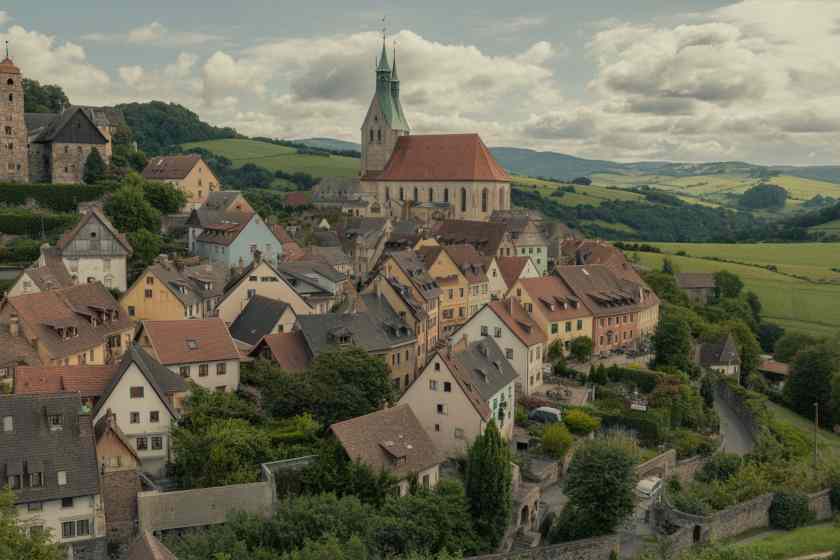
Across Europe, small villages, once serene and tranquil, are now becoming overcrowded with tourists. Fueled by viral social media posts and a growing desire for Instagram-worthy destinations, these picturesque villages have seen a surge in visitors, many of whom only seek a quick photo opportunity rather than a meaningful connection with the local culture. In places like Hallstatt, Austria, Mont-Saint-Michel, France, and Kinderdijk, Netherlands, overtourism has reached a critical point. The pressure on local infrastructure, along with the loss of authentic experiences, has prompted residents to protest and demand measures to limit the flow of visitors.

The phenomenon of overtourism is not new; it has been a concern for major cities like Venice, Dubrovnik, and Barcelona. However, its impact is now being felt in smaller, once-quiet villages that were never intended to handle such high volumes of visitors. The cultural and environmental costs of this influx are undeniable, and many of these villages are grappling with how to maintain their charm and authenticity in the face of overwhelming demand.
Hallstatt: A Fairytale Village Facing Its Own Curse
The alpine village of Hallstatt, located in Austria, is a UNESCO World Heritage Site and is renowned for its natural beauty and ancient salt mining history. Widely believed to have inspired the setting for Disney’s “Frozen,” the village’s stunning lakeside views have become a major attraction. However, this fame has come at a steep price. With a population of just 700 to 800 residents, Hallstatt is visited by up to 10,000 tourists per day. Most of these visitors come solely to capture the perfect photo, without contributing to the local economy by staying overnight or purchasing goods and services.
The village’s narrow roads and limited infrastructure have been overwhelmed by the sheer number of visitors. Tour buses and private cars clog the streets, causing severe disruptions to daily life. Local residents have raised their concerns about noise, traffic congestion, and the invasion of private property as tourists trespass to get the perfect shot. In response, Hallstatt’s mayor and residents have put up barriers at popular viewpoints and implemented restrictions on tour buses and cars. Despite these efforts, the numbers of visitors continue to rise, making it clear that further action is needed.
Mont-Saint-Michel: The Medieval Island Overrun by Pilgrims and Tourists
Mont-Saint-Michel, a small tidal island located in Normandy, France, is another UNESCO World Heritage Site facing the challenges of overtourism. Known for its stunning architecture, unique bay, and Europe’s highest tides, Mont-Saint-Michel has been a major pilgrimage site for centuries. However, the recent popularity of the island, boosted by viral social media content and appearances in television shows like “Lupin,” has led to a dramatic increase in visitors.
Around three million tourists now visit Mont-Saint-Michel annually, overwhelming its medieval streets and straining local infrastructure. The island’s narrow paths and limited space have caused congestion, especially during peak hours, which worsens the visitor experience. The area has also become increasingly commercialized, with souvenir shops and long queues creating a “theme park” atmosphere that detracts from the island’s historical and spiritual significance.
To address these issues, the French government has begun exploring measures such as booking systems and visitor caps. Tourists are encouraged to visit during off-peak times, with incentives such as discounted parking for those who arrive before 10 am or after 4 pm. However, despite these efforts, the balance between preserving the site’s authenticity and accommodating the increasing number of visitors remains a challenge.
Kinderdijk: The Windmills at Risk of Losing Their Charm
Kinderdijk, located in the Netherlands, is famous for its 18th-century windmills, which have earned it a place on the UNESCO World Heritage list. The village is home to just 60 permanent residents, yet it attracts around 600,000 visitors annually, many of whom arrive by cruise ships. This influx of tourists has placed immense pressure on the small community. Residents have reported various forms of disrespectful behavior, from tourists asking to take photos in private gardens to ignoring requests to avoid blocking local paths.
The problem has been exacerbated by plans to increase cruise ship docks and visitor numbers, which has sparked significant backlash from the community. Locals have organized protests and have even taken to social media to ask tourists to be more considerate. Measures such as banning tour buses and camper vans from the village center, as well as imposing fines for violations, have been implemented. However, the village remains heavily dependent on tourism for the upkeep of its historic windmills, creating a complex conflict between preservation and growth.
Pienza: A Tuscan Village Struggling to Retain Its Authenticity
The charming village of Pienza in Tuscany, Italy, is known for its Renaissance architecture and its famous pecorino cheese. However, its small size and the influx of tourists, especially day-trippers, have put a strain on the village’s resources. As more visitors arrive, there has been a noticeable shift in the local economy, with souvenir and cheese shops taking precedence over essential services like pharmacies and grocery stores. Locals feel increasingly pushed out by the growing number of tourists, who dominate the public spaces and create noise disruptions.
The village has also faced challenges related to authentic gastronomy, as restaurants adjust their menus to cater to the tastes of tourists rather than preserving local traditions. One of the more significant losses has been the silencing of the historic bell tower at night due to noise complaints from tourists. Despite being another UNESCO World Heritage Site, Pienza has not yet implemented strong measures to combat overtourism, unlike other Italian cities like Venice and Rome, which have introduced restrictions to curb the negative effects of tourism.
Goathland: A Rural Village Transformed into a Tourist Hotspot
The small village of Goathland in North Yorkshire, England, has gained fame as a filming location for popular shows like “Heartbeat” and “Harry Potter.” The Goathland Station was used as the fictional Hogsmeade Station in the first “Harry Potter” film, and it continues to attract visitors long after the films’ release. With the upcoming release of a new Harry Potter series in 2027, the village is seeing an increase in tourism that has led to overcrowded streets, overwhelmed local infrastructure, and more litter in natural areas.
Local businesses have struggled to maintain a balance between serving tourists and preserving the essence of the village. Communal spaces have been overtaken by visitors, and shops have adjusted their focus to cater to the tourist trade. While the North Yorkshire Council has not implemented specific measures for Goathland, it is working on wider regional strategies to manage the impact of increased visitor numbers in the area.
Conclusion: The Impact of Overtourism on Europe’s Villages
As overtourism continues to affect small villages across Europe, it is clear that more must be done to preserve the authenticity and integrity of these destinations. While tourism is crucial for the local economies of these villages, the negative effects on daily life, cultural preservation, and the environment cannot be ignored. Governments and local authorities are starting to take action, but more comprehensive measures are needed to protect these vulnerable destinations for future generations.
Residents, too, are fighting back, demanding better management of tourism and a more balanced approach that prioritizes their well-being alongside the benefits of increased visitation. The solution will not be easy, but as overtourism continues to grow, it is essential that all stakeholders — from local communities to tourists themselves — work together to ensure the sustainability of Europe’s most cherished and beautiful villages.
