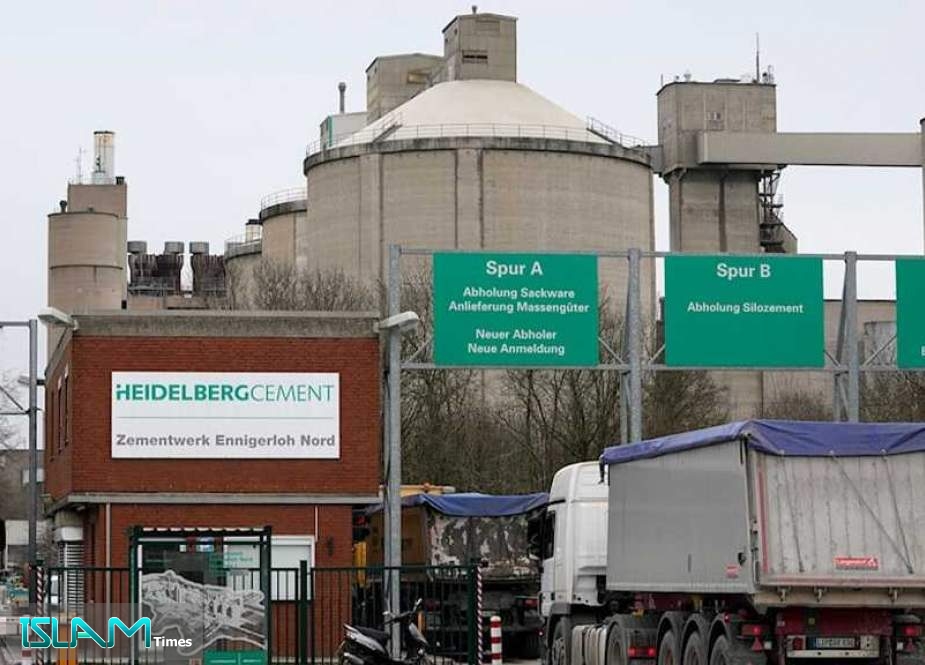
Islam Times – The European Union’s most significant overhaul of environmental trade rules in decades entered into force today, requiring exporters of high-carbon goods such as steel, cement, aluminum, and fertilizers to comply with low-carbon standards or face financial penalties.The new system, known as the Carbon Border Adjustment Mechanism (CBAM), obliges companies selling into the EU to purchase certificates reflecting the carbon emissions generated during production.
The policy aims to prevent “carbon leakage,” where production shifts to countries with weaker climate regulations, and to protect EU manufacturers from being undercut by cheaper, high-emission imports.
European Commission Executive Vice-President Stéphane Séjourné said the mechanism is designed to encourage decarbonization while maintaining industrial competitiveness.
He stressed that European producers should be supported, not penalized, for transitioning to cleaner production methods.
However, analysts warn that uncertainty over enforcement during the early rollout could create confusion for exporters.
Concerns are heightened by the absence of an agreement between Brussels and London, raising the risk of trade friction with the UK, which plans to introduce its own CBAM system next year.
The EU pressed ahead with the policy despite objections from major trading partners, including China, the United States, and Australia.
Some analysts caution that the rules could divert surplus high-carbon goods into non-EU markets, potentially depressing prices elsewhere.
In its initial phase, CBAM applies to iron and steel, aluminum, cement, hydrogen, electricity, and fertilizers, marking a major step in the EU’s climate and trade strategy.