(Credits: Far Out / Universal Pictures)
Thu 1 January 2026 23:00, UK
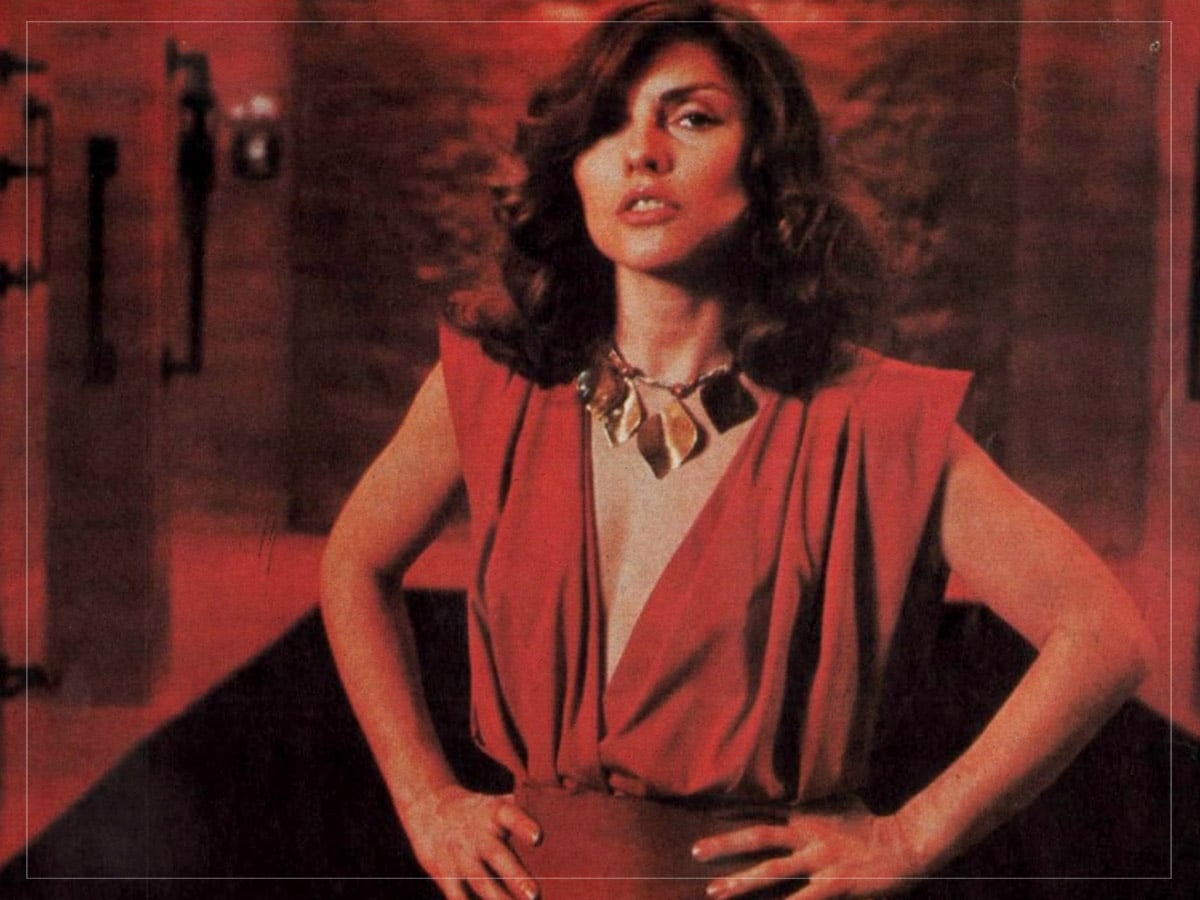
Debbie Harry never intentionally set out to become an icon.
Growing up in New Jersey, Harry considered herself a “tomboy”, finding solace playing in the woods that surrounded her childhood home. Her musical career began later, in the late 1960s, with a fateful move to New York City. There, she shapeshifted into a number of different acts, from singing in the folk rock band The Wind in the Willows, to joining the punk band The Stillettoes, where she would meet her partner, guitarist Chris Stein, and together, founded Angel and the Snake. Later, they renamed themselves Blondie, after the catcall often hurled at Harry by men on the street after she had bleached her hair.
Blondie became a reclamation and, with Harry as their frontwoman, the band’s talents were impossible to ignore. Soon, Blondie were staples at CBGBs and Max’s Kansas City (where Harry was formerly a waitress), dominating with their sound, which occupied the perfect in-between of punk and disco, while weaving influences from the burgeoning hip-hop scene; and Harry’s stage persona, radiating a sheer coolness that continued the tradition of transforming how women would be perceived in rock ‘n’ roll.
Harry, with her signature bleached hair and captivating vocals, was a force to be reckoned with in the male-centric punk underground that was slowly surfacing in New York. “So many girls come up to me and say, ‘Great, keep going, do it,’ ya know. They say that to me,” Harry told ZigZag magazine in 1976, adding, “I’m not making enemies of girls. I’m making fans of girls.”
From the beginning, Harry seemed privy to the ways that the media would attempt to wield her gender against her, and indeed, they placed the label of “sex symbol” upon her as a way of commodifying her talent, turning her looks and Blondie’s output into something that could be sold.
In retaliation, Harry knew that her role as a frontwoman could be used to counter any sensationalising of her place as a woman in rock music. “Rock and roll is a real masculine business, and I think it’s time girls did something in it,” Harry told the New York Rocker in May of 1976. “I don’t want to sound like a libber, but I want to do something to make people change the way they think and act towards girls.”
Harry continues to give credit to Janis Joplin, who paved the way for women like her to disrupt preconceived notions of women in rock, though she acknowledges that the singer’s tragic legacy was one to evade. “Janis Joplin did that, but she had to sacrifice herself,” Harry explained. “Every time she went out on stage, she had to bleed for the audience. I don’t feel like I have to sacrifice myself.”
Alongside the likes of Patti Smith and Siouxsie Sioux, Harry signalled a shift in the punk era that championed women at the forefront. “I was changing the way women in bands were perceived,” Harry declared in an interview with Steve Pafford. “It was a whole new era, and we were like warriors.”
Committed to her individuality, Harry showed that femininity could be retained with a defiant attitude.
Related Topics