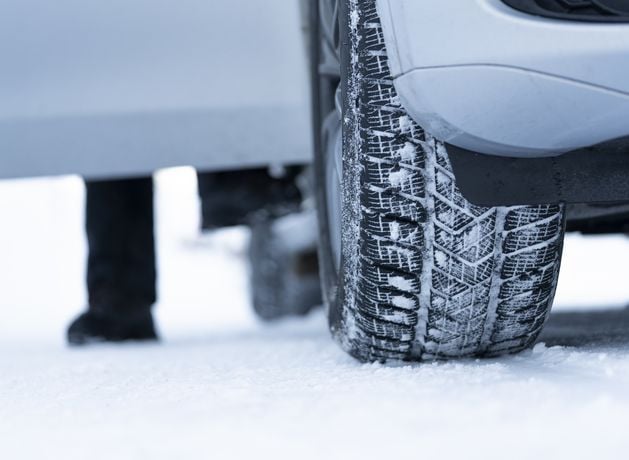
A yellow warning for snow and ice was already in place across all six counties until 10am this morning, however in a new update forecasters said an alert has also been put in place for the start of the weekend and also until Monday.
The Met Office said the first new yellow warning for snow and ice will come into place from 3pm and will last until noon on Saturday.
They said wintry showers will become more widespread, and will likely bring some disruption to travel.
Meanwhile a second alert issued will then come into force from 3pm on Saturday until noon on Monday.
A spokesperson added: “Cold northerly winds will bring sleet and snow showers across much of Northern Ireland on Friday afternoon, overnight and into Saturday morning, bringing the likelihood of ice on untreated surfaces.
“Whilst many places, including most low-lying areas, will not see much in the way of snow accumulations, a cm or two is possible in places, with the potential for 2-5 cm on higher routes such as the Glenshane Pass.
“Snow showers will continue to affect many parts of Northern Ireland over the weekend, before gradually easing on Monday.
“The heaviest and most frequent snow showers will be in the north, although along the north coast these may fall as rain or sleet at times.
“Whilst not all locations in the warning areas will see snow, around 1-3 cm is expected to have fallen in many places by Monday morning, with the potential for 5-10 cm to build up in a few locations, especially over higher routes, such as Glenshane Pass. Ice will be an additional hazard for many.”
It comes as police have alerted drivers to take additional care when driving amid “treacherous” conditions on the roads as a result of the snow and ice warning in place.
Earlier this morning, Northern Ireland woke up to icy and snowy conditions across large parts of the country and sub-zero temperatures.
The warning for snow and ice across the country ended at 10am but temperatures are expected to remain very chilly and once again hit below freezing overnight into the weekend.
As some people begin to return to work after the new year holiday’s the PSNI recommended that motorists driving “exercise extreme caution” and leave additional time for travel today.
“Wintry overnight weather has led to treacherous driving conditions in some areas this morning, as not all roads have been treated,” a PSNI spokesperson said.
“Please exercise extreme caution when driving and leave additional time for your journey. Slow down, and leave extra distance between you and the car in front.”
A Met Office spokeswoman said: “We expect this cold spell to persist into the weekend and on into next week, with further warnings possible as temperatures remain well below average and snow showers continue in places.”
It comes as a yellow weather warning for snow and ice was also put in place throughout Friday morning for an area covering London, Greater Manchester and Cardiff, while a yellow warning for ice in the south west of England was issued by the Met Office on Friday morning which runs until 10am.
Heavy snowfalls have already caused difficulties for motorists in the Highlands and north-east of Scotland on New Year’s Day, with warnings of blizzard-like conditions into the weekend.
The UK Health Security Agency (UKHSA) has issued warnings across England for the start of the year, which are in place until 10am on January 6.
The UKHSA said it means the weather is “likely” to cause significant impacts across health and social care services, including a “rise in deaths” among those with health conditions or aged 65 or over.
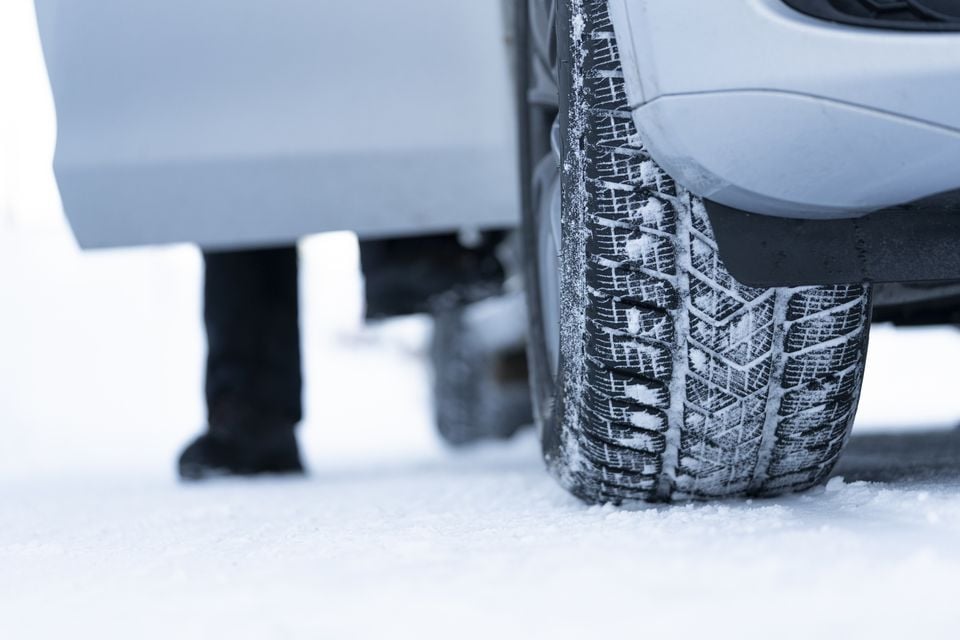
The PSNI recommended that motorists driving “exercise extreme caution” and leave additional time for travel today
News Catch Up – Thursday 1 January
Dr Paul Coleman, consultant in health protection at the UKHSA, said: “The weather is forecast to be very cold across England over the coming few days.
“Low temperatures like these can have serious impacts on the health of some people, particularly older people and those with serious health conditions.
“Exposure to cold can lead to increased risk of heart attacks, strokes and chest infections.
“It is therefore really important, as the colder weather sets in, to check in on friends, family and neighbours that are most vulnerable.”