Former U.S. President Donald Trump has issued a stark warning to Tehran, stating that the United States will intervene if the Iranian government harms protesters amid ongoing demonstrations across the country. His comments have amplified concerns about the escalating crisis and sparked renewed debate over the U.S. role in foreign affairs.
Protests in Iran: A Nation on Edge
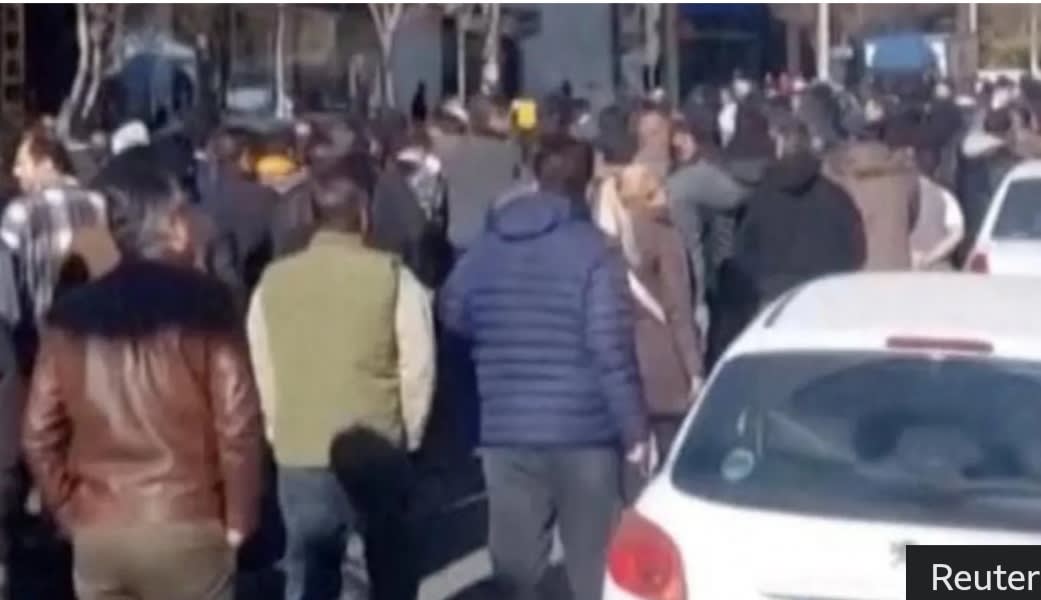
Iran has been gripped by nationwide protests in recent months, fueled by rising economic hardships, political repression, and social grievances. What began as localized demonstrations in major cities like Tehran, Mashhad, and Isfahan has expanded into a broader movement calling for government accountability.
The protests have occasionally turned violent, with security forces clashing with demonstrators. Human rights organizations have reported dozens of deaths, hundreds of injuries, and thousands of arrests, though exact figures remain difficult to verify due to government restrictions on media and communications.
Trump’s Warning
In a public statement shared through social media, Trump declared that any lethal crackdown on protesters by Iranian authorities would trigger U.S. intervention. While he did not specify the form this intervention would take, his message was clear: the United States is closely monitoring the situation, and actions against civilians will carry consequences.
Trump emphasized that the international community cannot remain silent in the face of human rights violations. “The people of Iran deserve freedom. If the regime crosses the line, the U.S. will act,” he said.
Historical Context: U.S.-Iran Relations
The warning comes against a backdrop of historically tense U.S.-Iran relations. Since the 1979 Iranian Revolution, diplomatic relations have been largely hostile, punctuated by events like the Iran hostage crisis, nuclear program disputes, and sanctions over weapons development.
Trump, during his presidency, withdrew the United States from the 2015 Iran nuclear deal, arguing that it did not adequately prevent Iran from developing nuclear weapons. His administration imposed sweeping sanctions that targeted Iran’s oil exports and financial sector, further straining bilateral relations.
Many experts see Trump’s latest comments as part of a broader effort to reassert American influence in the Middle East and signal deterrence against human rights abuses in Iran.
International Reaction
Trump’s warning has drawn attention from global leaders and human rights organizations. Some Western allies have expressed support for protecting protesters and condemning violence, though they emphasize diplomatic solutions rather than immediate military action.
Meanwhile, Iranian officials have dismissed the warning as interference in their domestic affairs, accusing the United States of political posturing and attempting to destabilize the government. Iranian state media described Trump’s statements as “baseless threats” and reaffirmed the regime’s commitment to maintaining law and order.
Implications for U.S. Foreign Policy
Trump’s statement raises questions about how the U.S. might respond if the Iranian government escalates violence against civilians. Analysts suggest that intervention could range from targeted sanctions, diplomatic pressure, or support for opposition movements, to more direct measures, including military action.
Some critics warn that such intervention could escalate tensions in the Middle East, potentially leading to broader conflict. They argue that while protecting human rights is crucial, unilateral action risks entangling the United States in another complex regional crisis.
The Role of Social Media and Global Awareness
The Iranian protests have gained international attention in part due to social media, with videos and images of demonstrations spreading rapidly across platforms. Trump’s comments have further amplified the issue, drawing attention from both global media outlets and international policymakers.
Social media campaigns have also been a tool for activists, highlighting alleged government crackdowns and calling for accountability. Many observers believe that international scrutiny plays a significant role in shaping how regimes respond to internal dissent.
Balancing Human Rights and Diplomacy
The situation in Iran illustrates the delicate balance between advocating for human rights and respecting national sovereignty. While many in the international community condemn the use of force against civilians, direct intervention is fraught with political, strategic, and ethical considerations.
Trump’s warning underscores the United States’ longstanding policy of supporting human rights globally, though it also reflects a confrontational approach that critics say could increase tensions.
Looking Ahead
The coming weeks will be crucial for Iran and the broader region. Observers are watching closely to see whether the Iranian government escalates its response or engages in dialogue with protest leaders. Meanwhile, the United States, under both Trump’s public statements and official channels, is signaling that the world is watching.
For many Iranians, the international spotlight provides both hope and a reminder of the high stakes involved in protesting against authority. For global leaders, the challenge will be to balance pressure, diplomacy, and potential consequences while avoiding unintended escalation.