Published on
January 2, 2026
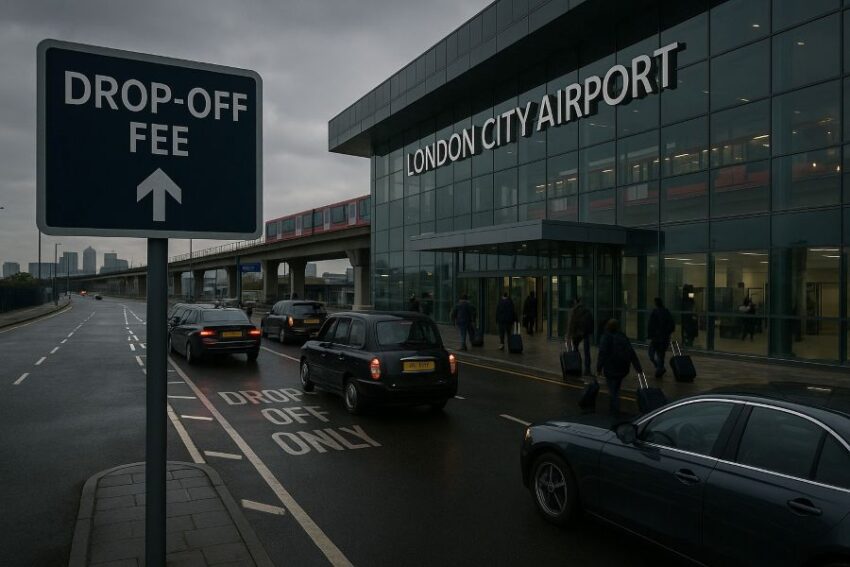
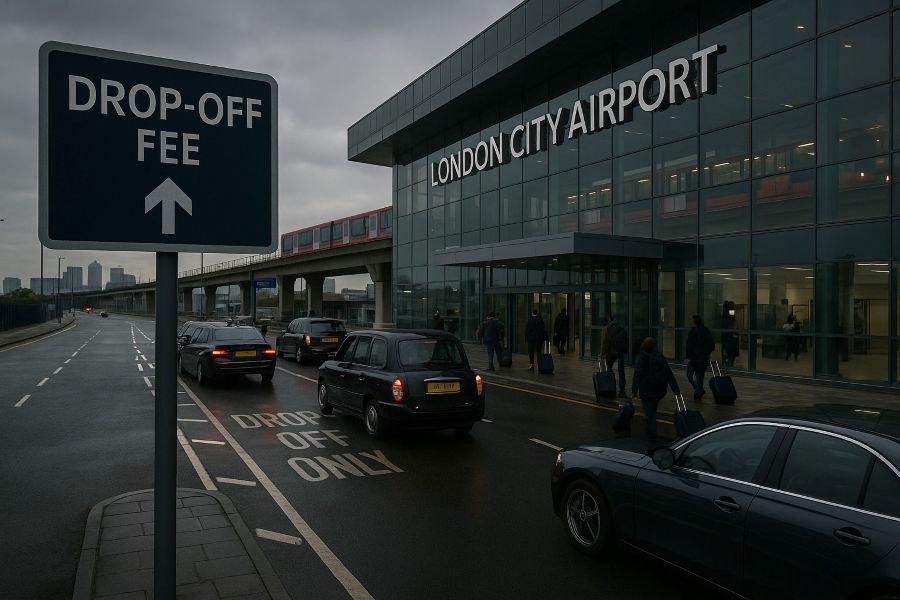
London City Airport will introduce a new £8 drop-off charge starting on 6 January 2026, marking a significant shift in the airport’s approach to managing vehicle access. This charge will apply to all vehicles using the airport’s designated drop-off area, encouraging passengers to consider more sustainable travel options. The change is part of London City Airport’s wider strategy to reduce traffic congestion and promote the use of public transport, which currently accounts for about two-thirds of the airport’s passenger traffic.
The new £8 drop-off charge will be applicable for stays of up to five minutes, with a £1 fee for each additional minute beyond that. The maximum stay will be limited to 10 minutes. While the charge will apply to most vehicles, Blue Badge holders will be exempt, ensuring that passengers with mobility challenges are not unfairly impacted by the new policy.
In addition, London City Airport is working with Transport for London (TfL) to integrate this charge into the meters of licensed black taxis. This will ensure that taxi drivers are not personally burdened with the cost of the drop-off fee. This move aligns the airport with existing agreements made by other major London airports, making the process smoother for taxi drivers and passengers alike.
This introduction of the £8 drop-off charge is part of the airport’s ongoing commitment to sustainable transport and environmental responsibility. By encouraging the use of public transport and offering an accessible approach for those in need, London City Airport is aiming to create a more efficient and eco-friendly travel experience for everyone.
Understanding the £8 Drop-Off Charge
The newly introduced £8 drop-off charge applies to vehicles using the designated drop-off area at London City Airport. The fee will be applicable for stays of 0 to 5 minutes, with an additional charge of £1 per minute for stays longer than five minutes. The maximum permitted stay will be 10 minutes. This structure aims to prevent long waits in the drop-off zone while ensuring the flow of vehicles remains consistent. Passengers dropping off at the airport will need to ensure they adhere to the time limits to avoid excessive charges.
One of the key aspects of the new policy is the exemption for Blue Badge holders, which ensures that those with mobility challenges will not be penalized for using the drop-off area. This exemption reflects the airport’s commitment to providing accessible travel options for all passengers.
Encouraging Public and Sustainable Transport
In addition to the implementation of the drop-off charge, London City Airport has emphasized its commitment to encouraging passengers to opt for public transport as their primary mode of travel. The airport’s location in East London makes it well-connected to the city’s extensive public transport network, including the Docklands Light Railway (DLR) and several bus routes. Approximately two-thirds of London City Airport passengers already use public transport, and this new policy is intended to further boost that percentage.
The airport has stated that this policy is part of a wider effort to reduce the environmental impact of the airport and align with broader sustainability goals. By encouraging the use of public transport, the airport is also supporting London’s ambitious goals of reducing emissions and promoting greener travel alternatives.
For passengers who may have concerns about the charges, the airport has offered practical solutions. For example, it has highlighted the public transport options available, including the DLR and London buses, which provide easy and affordable access to the airport. In addition to these, cycling and walking are also viable, eco-friendly alternatives for those traveling from nearby areas.
Taxi Meter Integration for Black Cabs
Another important aspect of the new drop-off charge is the proposed integration of the charge into taxi meters for licensed black cabs. Transport for London (TfL) will be conducting an annual public consultation on taxi fares, during which a proposal from London City Airport to include the drop-off charge within the taxi meter will be reviewed. This is expected to ensure that black taxi drivers will not have to personally absorb the cost of the charge.
If approved, this proposal will align London City Airport with similar policies at other major London airports, where taxi meters already reflect additional charges for airport drop-offs. The integration of the charge into the meter would simplify the process for both passengers and taxi drivers, ensuring transparency and consistency across London’s airports.
The expected consultation process will allow for public feedback and ensure that the change is introduced in a way that supports both the airport’s sustainability goals and the interests of local taxi drivers.
Addressing Concerns and Providing Solutions
While some passengers and drivers may express concerns about the new drop-off charge, the airport has outlined several measures to mitigate potential disruptions. These measures include offering clear signage to guide vehicles through the drop-off area, as well as ensuring that the payment process for the charge is simple and quick.
The airport has also emphasized that Blue Badge holders will not be charged, ensuring that the most vulnerable passengers are not financially impacted. Additionally, the introduction of the charge aligns with the airport’s wider strategy of promoting sustainable travel, which is seen as essential for the future of urban mobility.
As London’s only airport located within the city limits, London City Airport is uniquely positioned to contribute to the capital’s green transport initiatives. The airport’s efforts to encourage passengers to use public transport are in line with the city’s broader goals of reducing congestion and improving air quality.
The Future of Sustainable Travel at London City Airport
Looking forward, London City Airport plans to continue developing its sustainability initiatives, including exploring further ways to integrate public transport options and improve the overall passenger experience. The airport’s investment in sustainable travel reflects a growing trend across the aviation sector, where many airports are adopting measures to reduce their carbon footprints and encourage greener travel options.
The introduction of the drop-off charge is just one step in the airport’s ongoing efforts to create a more sustainable and efficient transport network for London. In the coming years, passengers can expect to see further initiatives aimed at reducing the environmental impact of travel and supporting London’s goals of becoming a greener, more sustainable city.
Conclusion
With the introduction of the £8 drop-off charge from 6 January 2026, London City Airport is taking an important step towards creating a more sustainable future for air travel in London. The charge will encourage greater use of public transport, reduce congestion, and align the airport with London’s environmental goals. By integrating the charge into black taxi meters and offering exemptions for Blue Badge holders, the airport is ensuring that the new policy is both fair and practical for all passengers.
As London City Airport continues to evolve, it is clear that sustainability will remain at the heart of its operations. The introduction of this new fee marks the beginning of a series of measures aimed at making travel to and from the airport more environmentally friendly and efficient. As the airport embraces its role in London’s sustainable future, passengers can expect to benefit from a more streamlined and eco-conscious travel experience.
