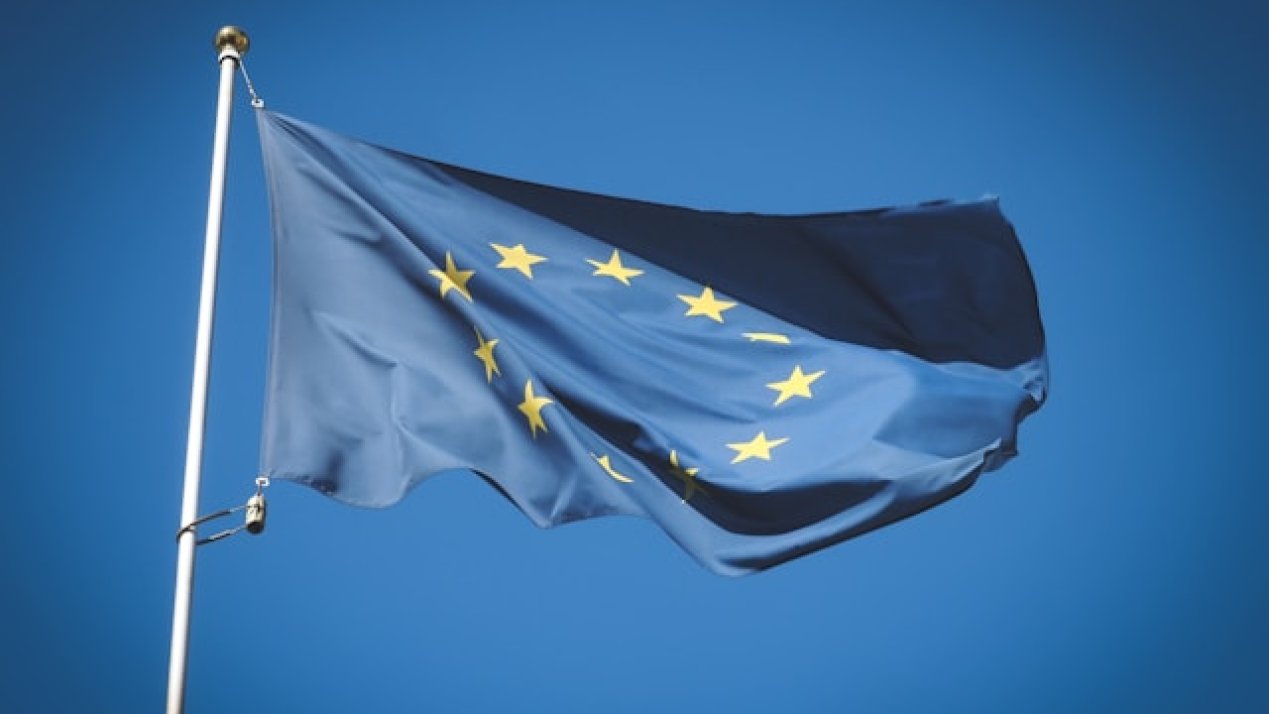
The European Union (EU) began enforcing a new set of regulations on Jan. 1, 2026, including the full application of its carbon border tax on emissions-intensive imports and new rules affecting chemicals, toys and public procurement, measures with potential implications for key trading partners such as Mexico.
The bloc has framed the changes as part of its Green Deal and its effort to strengthen the internal market, arguing that the policies address carbon leakage, regulatory gaps and uneven competition. EU officials have said the carbon border system is designed to align the cost of emissions for foreign producers with those already borne by European industry under the EU’s emissions trading system.
At the center of the package is the definitive phase of the Carbon Border Adjustment Mechanism, or CBAM, often referred to as the EU’s carbon tariff. As of 2026, importers of certain goods with high embedded emissions must pay for the carbon dioxide associated with their production when those goods enter the EU market. The measure covers steel and iron, cement, aluminum, fertilizers, hydrogen and electricity. Importers are required to purchase and surrender CBAM certificates reflecting reported emissions, with certificate prices linked to the EU Emissions Trading System, or ETS.
CBAM follows a transitional period from 2023 to 2025, during which companies were required only to report emissions without paying a charge. The shift from reporting to payment marks a change from preparatory compliance to direct financial obligations. In June 2025, EU institutions agreed to simplify the mechanism, a move expected to exempt about 90% of companies from having to pay the charge once the system is fully applied, focusing enforcement on larger operators and higher-risk imports, cites La Silla Rota.
The EU has said the objective is to prevent carbon leakage, a situation in which production shifts to jurisdictions with less stringent climate rules, and to maintain comparable conditions between EU and non-EU producers. The timing of the measure has coincided with trade frictions, including disputes with China over provisional tariffs on EU dairy products, which Brussels has described as unjustified. While CBAM is presented as an environmental policy, it adds a new layer to the trade environment for exporters.
For Mexico, the rules are relevant not only because of direct exports of covered materials but also because of the broader regulatory signal they send to global supply chains. Mexico is a significant participant in global trade in products from the chemical and related industries, a category that includes pharmaceuticals, organic and inorganic chemicals, specialty chemical products and cosmetics. In 2023, Mexico exported about US$15.6 billion worth of products from these industries, ranking 28th globally among exporters. These goods represented the country’s 10th most exported product group that year.
The United States was Mexico’s main destination for chemical and related exports in 2023, with shipments valued at about US$7.09 billion, followed by Ireland, Brazil, Guatemala and Canada. Ireland was also the fastest-growing export market between 2022 and 2023, with an increase of about US$771 million. Mexico’s share of global exports in this category stood at 0.68% in 2023, cites the latest report from OEC.
On the import side, Mexico brought in about US$38.4 billion worth of chemical and related products in 2023, making it the world’s 16th-largest importer in the category. The United States was again the main trading partner, accounting for roughly US$21.7 billion, followed by China and Germany. Germany was the fastest-growing source of Mexican chemical imports between 2022 and 2023, with an increase of about US$346 million. The data underline Mexico’s integration into transatlantic and global value chains that intersect with EU regulation.
Alongside CBAM, the EU has put into force a regulation establishing a common data platform for chemical substances. The platform aims to centralize information on chemicals, improve coordination among authorities and expand access to data for companies and the public. EU policymakers have linked the measure to public health, environmental protection and industrial oversight, arguing that better data sharing will support enforcement and risk management. For exporters and multinational companies, the platform may translate into more standardized reporting requirements and closer scrutiny of chemical inputs used in products sold in the EU.
Other measures effective in 2026 include updated thresholds for public procurement and concession contracts for the 2026–2027 period. The revised thresholds adjust the monetary values at which EU procurement rules apply, reflecting economic changes and international commitments. Companies that supply goods or services to EU public bodies may see changes in tendering obligations depending on contract size.
The EU has also enacted a new Toy Safety Regulation. While it formally entered into force on Jan. 1, 2026, most of its obligations will apply from Aug. 1, 2030, allowing manufacturers time to adapt. The regulation strengthens restrictions on hazardous substances in toys and seeks to improve enforcement across the single market. For Mexican producers exporting toys or toy components to the EU, the delayed application provides a transition period but signals tighter standards ahead.