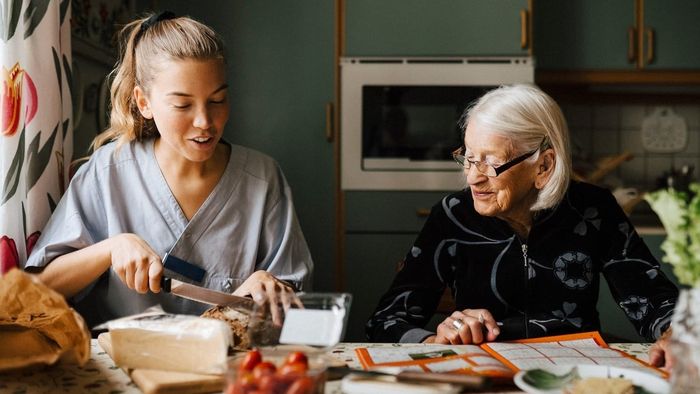
DIETARY DILEMAS: Have we forgotten how to make nutritious foods the way our grandparents did? (Image: Getty)
This article contains affiliate links, we will receive a commission on any sales we generate from it. [Learn more]
We all like to think we have solved the puzzle of healthy living, yet statistics for obesity and diabetes continue to soar. Nutritionist Rob Hobson believes we have lost our way, lamenting that “our collective confusion around food has never been greater”.
Best-selling author Rob remembers a different time: “I grew up in the 70s and 80s, when dinner came from the oven or a tin and ‘healthy eating’ simply meant clearing your plate.” He recalls that margarine was considered a miracle ingredient, microwave meals were futuristic, and dessert was often just fruit with Carnation milk.
Registered dietitian Clementine Vaughan believes the issue stems from demonising specific food groups instead of preaching moderation. This anxiety over what sits on our dinner plates has, unfortunately, fuelled a rise in comfort eating across the nation.
READ MORE1960s: Meat, two veg and routine
In the 1960s, most British meals were cooked at home and followed a familiar pattern of meat, potatoes and a boiled vegetable. Bread, dripping, full-fat milk and a pudding were standard, while takeaways were rare and dining out unusual.
Processed foods were creeping in, but snacking was limited and physical activity was higher than today. Despite fewer fruit and vegetable choices, fibre intake was reasonable thanks to home cooking and regular mealtimes, writes Matt Nixon on the Express.
Verdict: The structure worked well, with shared meals and less grazing. Variety, healthy fats and wider plant choices were missing.
1970s: Butter versus margarine
Butter was suddenly branded dangerous, while margarine was promoted as the modern, heart-friendly alternative. Few realised early margarines were packed with trans fats that actually raised ‘bad’ cholesterol.
Verdict: The war on fat began with good intentions, but backfired badly. Not all fats are equal, and many people swapped a natural food for something far worse.
It took years to untangle the damage and identify safer ways to lower cholesterol. One breakthrough was the discovery of plant sterols, natural compounds found in plants that block cholesterol absorption and can reduce LDL levels by up to 7 to 10% when consumed regularly.

1980s: The fat-free frenzy
Low-fat became a lifestyle, fuelled by aerobics, diet yoghurts and ‘99% fat-free’ labels. Fat was removed from foods and replaced with sugar and starch, resulting in meals that were less satisfying.
Verdict: Fear of fat stripped away flavour and fullness. Fat is essential for hormones, vitamin absorption and feeling satisfied. The answer wasn’t eliminating fat, but choosing better sources like olive oil, nuts and sterol-enriched foods to protect heart health.
1990s: Carbs take centre stage
With fat still feared, carbohydrates were crowned the foundation of healthy eating. Bread, pasta and cereals filled plates as guidance urged us to “base meals on starchy foods”. Portions grew, refined carbs flourished, and blood sugar levels followed suit. Food became tied to body image, with eating focused on achieving thinness rather than maintaining health.
Verdict: Good intentions oversimplified the science. Fibre-rich carbs were encouraged, but refined versions dominated, creating confusion that lingers today.
2000s: Superfoods and detox dreams
Low-carb diets revived bacon, while avocados, quinoa and kale became kitchen staples. ‘Clean eating’ promised purity but often delivered restriction.
On the plus side, the Mediterranean diet gained recognition for protecting heart health. Researchers also began fortifying foods and developing plant-sterol supplements as a practical way to lower cholesterol naturally.
Verdict: Nutrition became fashionable, sometimes excessively so. Science slowly reclaimed ground from marketing hype.
2020s: Overwhelm and extremes
Today’s food landscape is more bewildering than ever, despite endless choice. Social media demonises seed oils while drugs like Ozempic erase appetite altogether.
We talk about gut health and glucose, yet many people still fall short on whole foods. Ultra-processed products dominate, even as we crave balance.
Verdict: After decades of manipulation, we’re patching gaps with functional foods and supplements, which isn’t a problem when backed by evidence.
Rob, author of The Low Appetite Cookbook, explains: “We’ve created a food system that’s quick, cheap and convenient but stripped of the nutrients our grandparents took for granted. Supplements like plant sterols aren’t a shortcut, they’re a way of buffering the modern diet and supporting heart health in a world where even a ‘balanced’ diet often isn’t enough.”
Clementine, of thirdsister.co.uk adds: “We are seeing extremes in people’s dietary intake… when stress hits, all the well-intentioned ‘rules’ fall apart, and food becomes the coping mechanism.” She stresses that habits, not single foods, matter most for long-term health.
Looking ahead, Rob sees a fork in the road. One path leans on apps and injections, while the other returns to home cooking, shared meals and confidence in real food, supported by proven tools like plant sterols.
Five quick fixes that actually help
Pre-diabetes: Eat more soluble fibre from oats, beans and apples, swap white carbs for wholegrains and walk briefly after meals. Tip: Real food beats refined.
Cholesterol: Use plant sterols daily, aim for 30g fibre, choose olive oil and avocado and cut ultra-processed foods. Tip: Focus on better fats, not less fat.
Obesity: Prioritise protein and fibre, eat regular meals and respect sleep and stress. Tip: Consistency beats crash diets.
Blood pressure: Cut hidden salt, eat potassium-rich foods and include beetroot. Tip: A DASH-style diet can help in weeks.
Sugar cravings: Pair sweets with protein, sleep well and manage stress. Tip: Cravings are signals, not failure.
READ NEXT