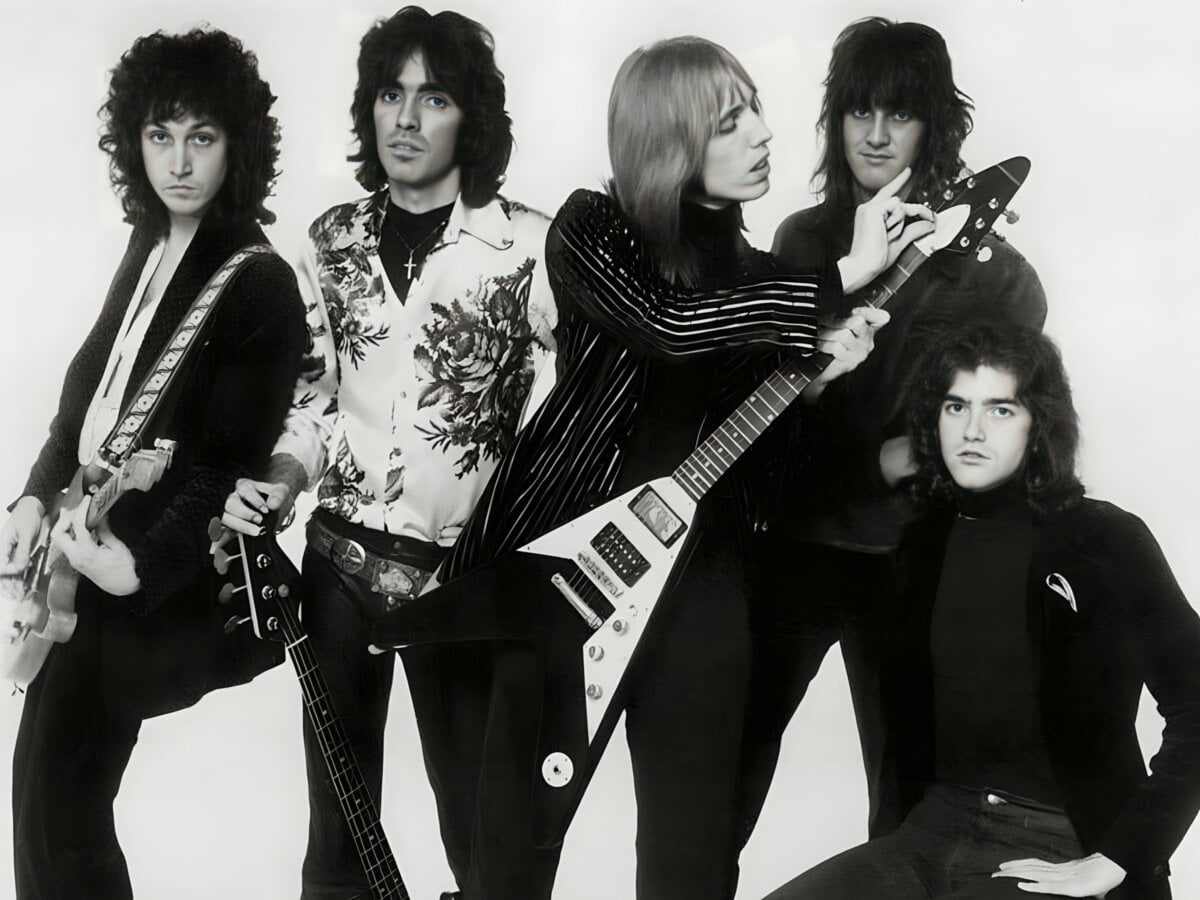
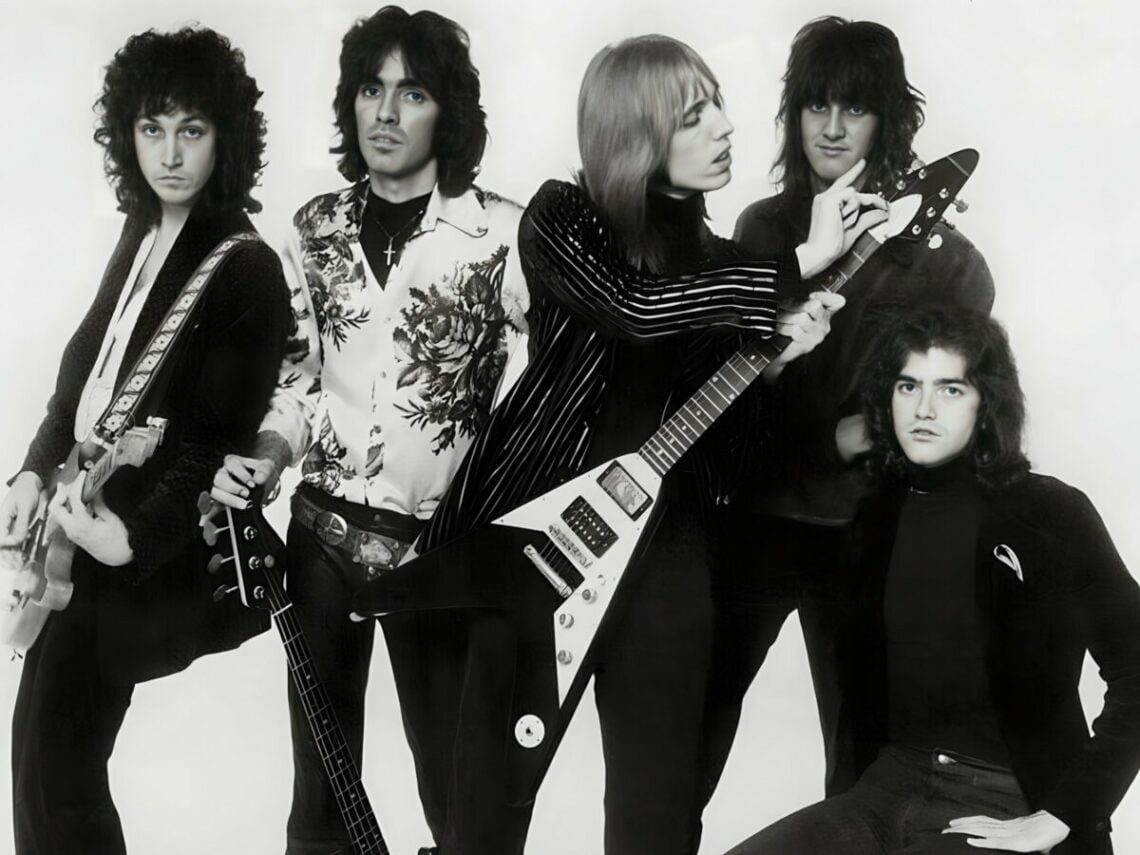
(Credit: Alamy)
Fri 2 January 2026 20:10, UK
As Tom Petty once put it, “Music is probably the only real magic I have encountered in my life.”
Some songs write themselves. They arrive as fully formed ideas, immediate hits that require little rewriting or redrafting. Take ‘Yesterday’ by The Beatles, for example, which came to Paul McCartney in a dream, or ‘(You Gotta) Fight For Your Right (To Party!)’ by the Beastie Boys, which they claim to have written in just five minutes. But this kind of musical miracle is a rarity rather than the norm, a fact that Tom Petty knows all too well.
Most hits require work. They form in the studio through close collaboration or trial and error, developing from an initial concept into a radio-ready track. This process can even turn a poor idea into a charting hit, as was the case with ‘Mary Jane’s Last Dance’ by Tom Petty and the Heartbreakers. The song is now one of the most well-known and well-loved offerings in their catalogue, but it took some work to get there.
Petty penned the piece and took it to his bandmates, who were less than impressed with his initial efforts. In fact, they despised it. “What’s funny is that when Tom wrote this song,” guitarist Mike Campbell remembered during a conversation with Vulture, “when he first showed it to me, the chorus was, ‘Hey, Indiana girl, go out and find the world.’”
“It was a completely different chorus, and we all hated it,” Campbell admitted. Fortunately, the guitarist must have seen some potential in the piece as he worked alongside Petty to salvage it. The chorus morphed into something else entirely, and Campbell pushed the Heartbreakers frontman to include a guitar solo towards the end of the song.
 Tom Petty wasn’t happy with the song. (Credits: Far Out / YouTube Still)How the Heartbreakers turned ‘Mary Jane’s Last Dance’ into a hit
Together, they had turned a song they had initially hated into a hit that would storm the charts. The final version of ‘Mary Jane’s Last Dance’ featured rocking guitars and harmonica blows while amending its chorus to be able to the title character. “Last dance with Mary Jane,” Petty sang over gorgeous harmonies, “one more time to kill the pain. I feel summer creeping in, and I’m tired of this town again.”
The guitar solo that comes in towards the end of the song, as suggested by Campbell, also contributes to the piece, cutting through the heartland instrumentation to conclude the track. Petty and his Heartbreakers were much happier with the final version, and their fans would be, too. When they unleashed the song in the autumn of 1993, it immediately won audiences over.
‘Mary Jane’s Last Dance’ found its way to number 14 on the charts in their home country. It also became a signature song in their catalogue, a status it remains over three decades later. Between Petty’s idea, the initial backlash, and Campbell’s willingness to work with him to hone the song, the Heartbreakers had created a humble heartland hit for the ages.
This serves as proof that not all great songs can be written quite as quickly or as effortlessly as ‘Yesterday’ or ‘(You Gotta) Fight For Your Right (To Party!)’. Sure, it’s great when a hit comes to an artist fully formed, but it’s almost more interesting to see a bad idea turned into a great final product, to see how creative collaboration and refinement can lead to a hit song.
For budding songwriters who might feel knocked back by rejection from their band members, consider following in Petty and Campbell’s footsteps and allowing songs the time, space, and attention to truly develop.
Did Petty ever hit number one?
If you can turn scepticism into a top 20, then perhaps it’s simply a healthy part of the songwriting process. After all, ‘Mary Jane’s Last Dance’ was one of the band’s biggest ever hits. The highest the group ever got, in fact, was fifth in the US charts with the classic track, ‘Learning to Fly’ from 1991.
This followed on from the huge success of the eternally catchy ‘Free Fallin’’ from two years earlier which rose to fifth. However, when it comes to truly defining Petty’s potent writing style, there aren’t many that seem quite as encapsulating as the one that the Heartbreakers initially bashed. It’s artful Americana right through to the core.
Related Topics