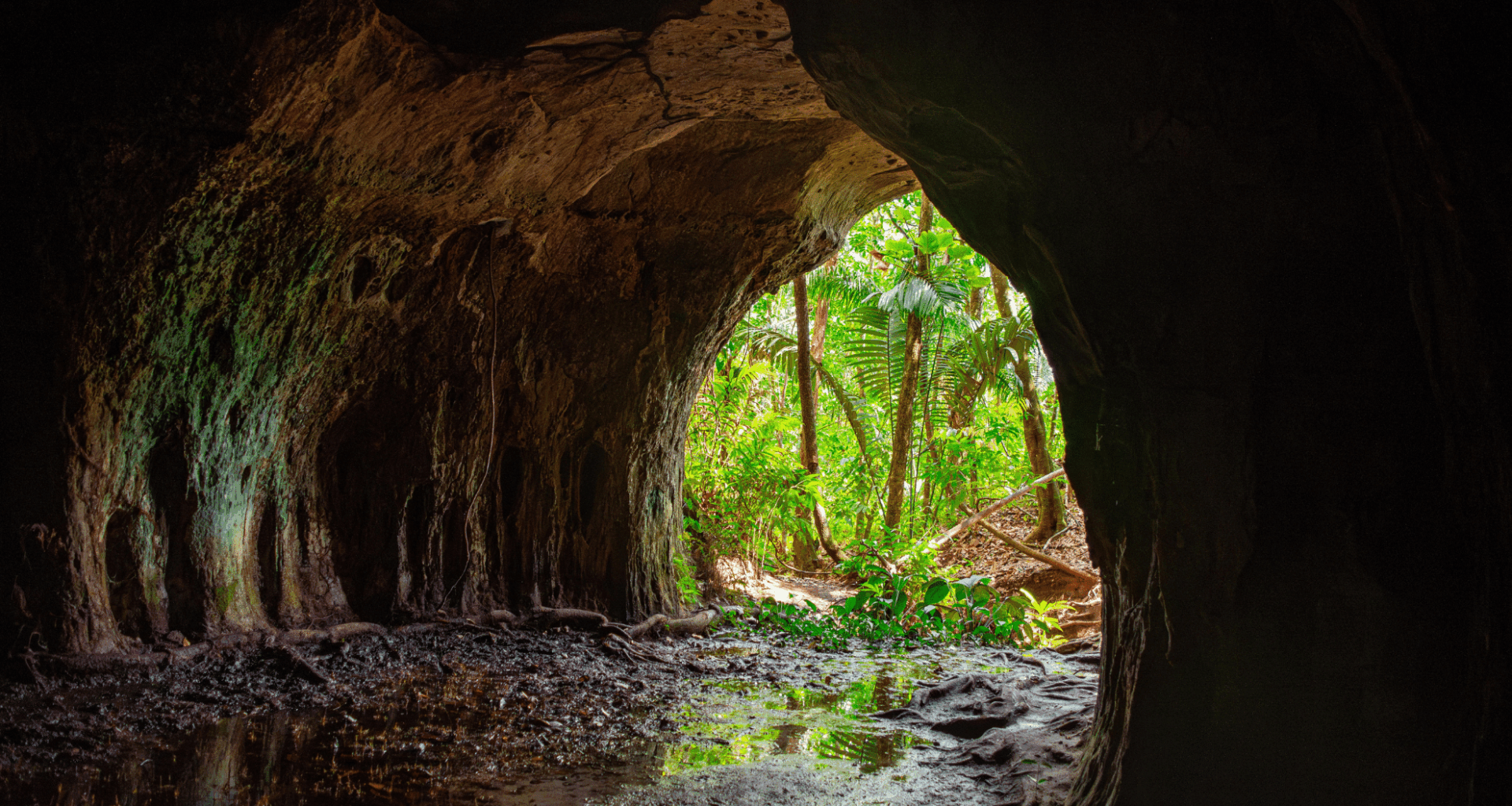
In a quiet corner of the American wilderness near Yellowstone National Park, a hidden camera placed in a long-abandoned bear den has revealed something extraordinary. Left untouched for ten years by wildlife filmmaker Casey Anderson, the camera chronicled a decade of animal activity that went completely unseen by humans, until now. The footage, first detailed in a report by Newsweek, offers an unprecedented look into the raw rhythms of the wild.
A Decade Inside The Wild: One Camera, Dozens Of Visitors
What started as a curiosity about a single bear cave became a milestone in passive wildlife observation. Casey Anderson, known for his work documenting wild animals across the American West, had placed the camera more than ten years ago to answer a simple question: would grizzly bears return to the same cave?
They did. But so did much more.
“Not only had bears returned, but so had mountain lions, coyotes, and a surprising variety of smaller animals,” Anderson told Newsweek. “One mountain lion in particular kept returning again and again, almost obsessively.”
The footage shows multiple species rotating through the cave across all seasons. Grizzlies lumbered through snow-draped terrain. Mountain lions prowled the site with eerie regularity. Even coyotes and raccoons made their appearances, a microcosm of Yellowstone’s biodiversity, all centered on one lonely cave.
The video, condensed and posted to Anderson’s Instagram, has already reached over 512,000 views. Wildlife followers praised the non-intrusive method and called the project “a decade of being a fly on the wall.”
The Man Behind The Lens: A Life Dedicated To Remote Observation
The footage may be going viral now, but for Casey Anderson, it’s just another chapter in a lifelong pursuit. As the filmmaker explained to Newsweek, this wasn’t about creating viral content, it was about surrendering to the unpredictability of nature.
“This kind of discovery is what drives me,” he said. “I’ve spent my life locating wild places and setting up cameras to quietly observe what unfolds when no one is around.”
His Endless Venture YouTube channel is filled with similar projects, each offering a non-invasive lens into hidden ecosystems. The approach is gaining traction not just among filmmakers, but also among wildlife biologists and conservationists, who are now using similar setups to monitor endangered species without disturbing them.
According to the Newsweek article, trail cameras like these are helping to revolutionize how experts track animal populations, particularly in protected zones like Yellowstone, which spans over 2.2 million acres and is home to more than 65 mammal species.
Trail Cameras As Conservation Tools
This isn’t just about storytelling. Passive camera systems have become essential in environmental management, particularly in areas where human presence may disrupt animal behavior. In the context of Yellowstone, trail cameras allow conservationists to monitor complex ecosystems in near real-time without the need for constant fieldwork.
These devices capture critical data: movement patterns, seasonal behaviors, even inter-species interactions that would be nearly impossible to witness otherwise. They also allow scientists to monitor the success of reintroduction or rehabilitation efforts, giving a clearer picture of how certain species are adapting, or struggling, in their habitats.
By leaving the landscape untouched, these silent sentinels offer a view into a world that usually vanishes the moment we enter it.
A Single Bear Ended The Project, And That’s Perfect
After ten years, the experiment came to a poetic end. One curious bear, perhaps sensing the camera’s artificial presence, destroyed it. But by then, the device had already captured years of uninterrupted footage, an accidental documentary of the wild that no crew could ever replicate.
The end of the footage didn’t disappoint Anderson. In fact, it added a fitting finale to the project. It also affirmed the risks and rewards of working with nature instead of trying to control it.
This footage stands as a vivid reminder of what can happen when humans step back, and let nature tell its own story.