The National Trust for Scotland has discovered seven rare species at its sites
Charlotte Smith Senior Lifestyle Content Editor
08:46, 03 Jan 2026Updated 10:22, 03 Jan 2026
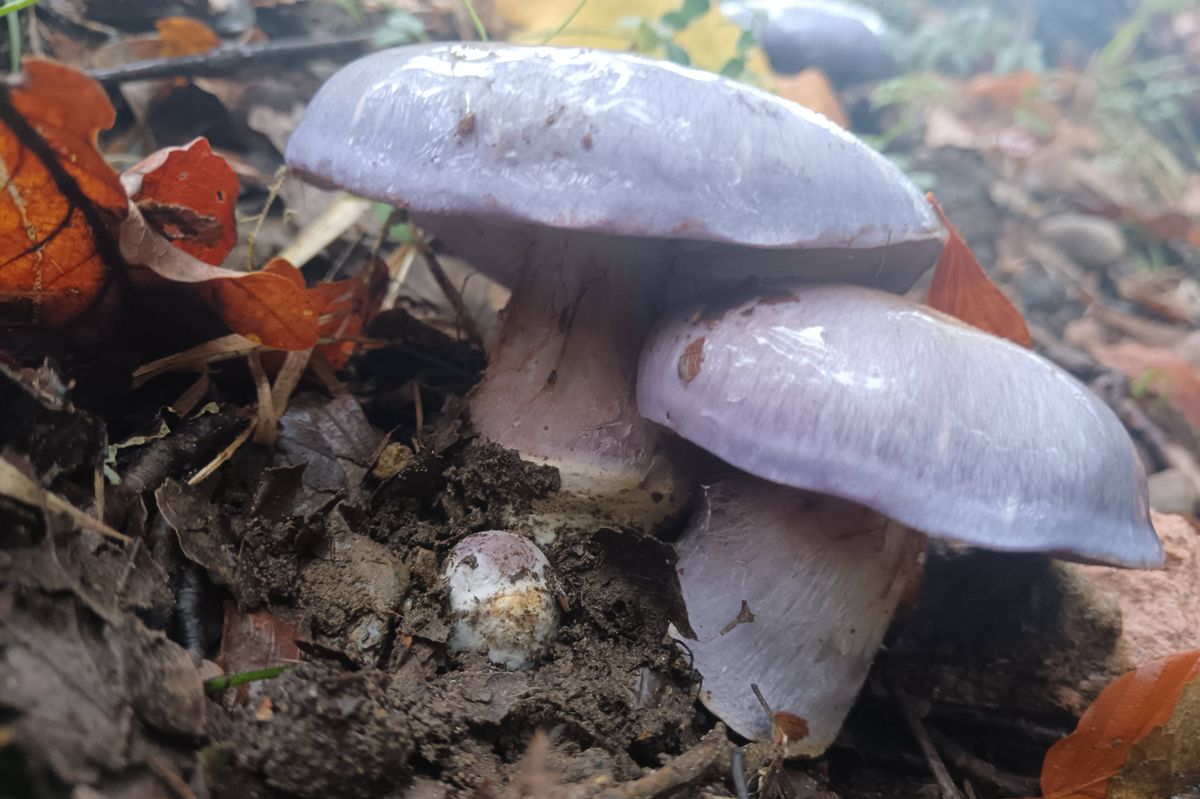 Cortinarius eucaeruleus fungus in Killiecrankie(Image: National Trust for Scotland/PA Wire)
The identification of seven extraordinary species across National Trust for Scotland sites in 2025 represents a “powerful sign” that conservation initiatives are bearing fruit, according to the charity. Corncrake youngsters, lichen specimens, an uncommon fungus, and a distinctive beetle feature among the “remarkable” creatures documented, with many being exclusive to Scotland and parts of the UK.
The National Trust for Scotland (NTS) emphasised that these findings highlight the critical importance of protecting natural habitats. The organisation also noted that such discoveries serve as a stark reminder of the mounting challenges these fragile ecosystems face due to climate change and habitat destruction.
Among the notable finds were corncrake chicks on the Treshnish Isles, which came under the trust’s stewardship in 2023, reports the Mirror. Previously, the characteristic grating call of corncrakes could sometimes be detected; nevertheless, no concrete proof existed to verify successful breeding activity.
The sighting of unmistakable black downy corncrake chicks has now confirmed suspicions that this threatened species is thriving and reproducing on the Hebridean island chain. Additional discoveries from the previous year include a Scotch annulet moth on the Isle of Canna, marking the first recorded sighting of this “scarce and modest upland moth” on the island since 1979.
At Ben Lawers National Nature Reserve, researchers documented a rare rove beetle, a species typically found beneath rocks in mountain environments across slopes, ridges and peaks. A greater butterfly-orchid was discovered at Bannockburn, whilst nine lesser butterfly-orchids were located at Torridon.
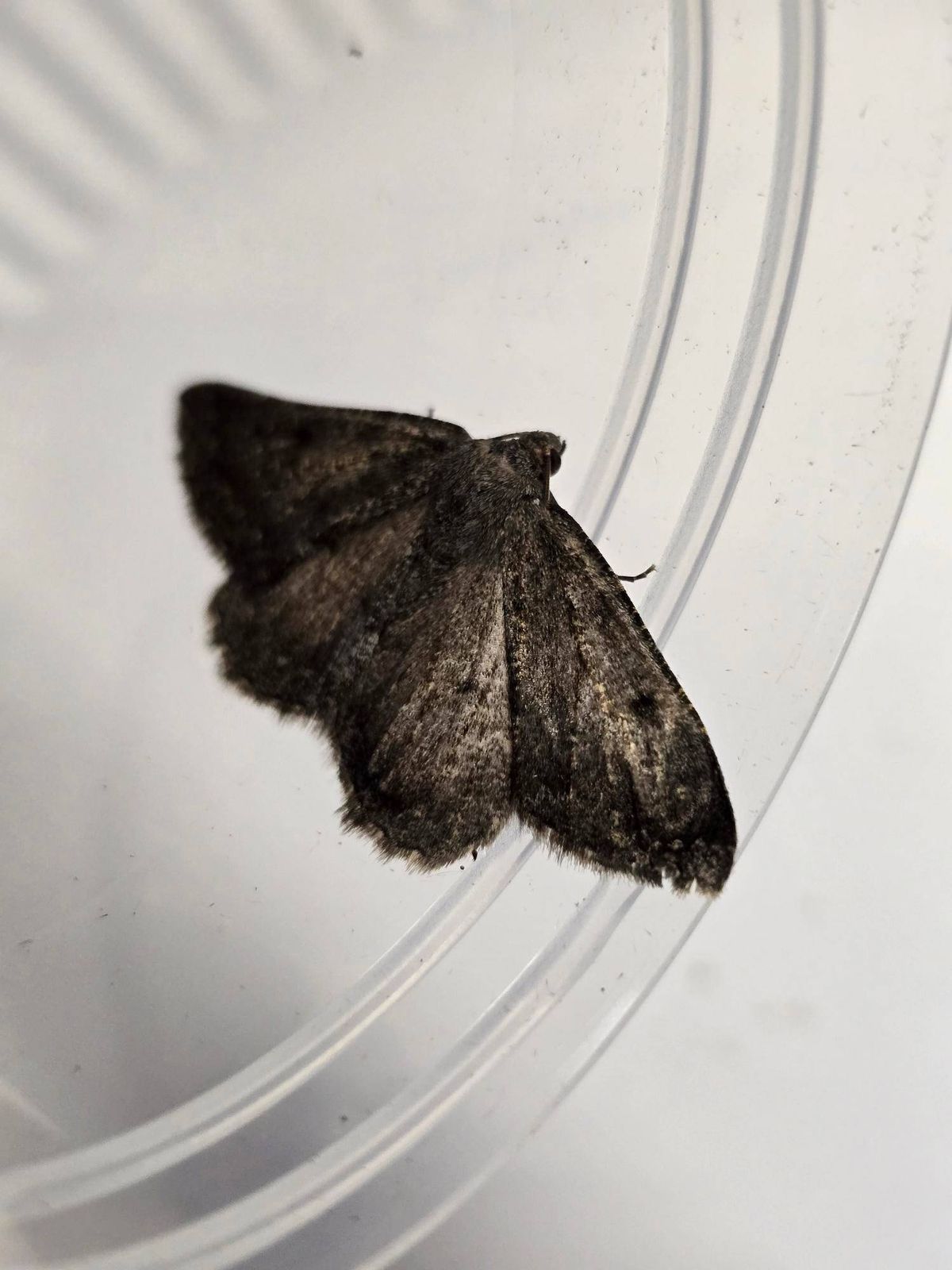 A Scotch annulet moth discovered at the Isle of Canna(Image: National Trust for Scotland/PA Wire )
Jeff Waddell, the head of nature conservation for NTS, expressed his commitment to preserving Scotland’s natural heritage, stating: “As custodians of some of Scotland’s most important natural places, we have a unique responsibility to look after the nature in our care, and we remain committed to restoring and protecting habitats where species can not only survive but thrive. These discoveries also remind us of the importance of safeguarding nature.”
He further highlighted the significance of these findings, saying: “Many of these species exist on the edge of their range or survive only in isolated pockets, and their presence in Scotland is a powerful signal that our conservation efforts are making a real difference. However, it is also a reminder of the pressures facing these delicate ecosystems, from climate change to habitat loss, and the need for continued vigilance and support.”
Waddell concluded by outlining the NTS’s ongoing efforts: “By restoring uplands, woodlands and grasslands and by monitoring these landscapes carefully, we’re helping ensure that these remarkable species and their habitats endure for generations to come.”
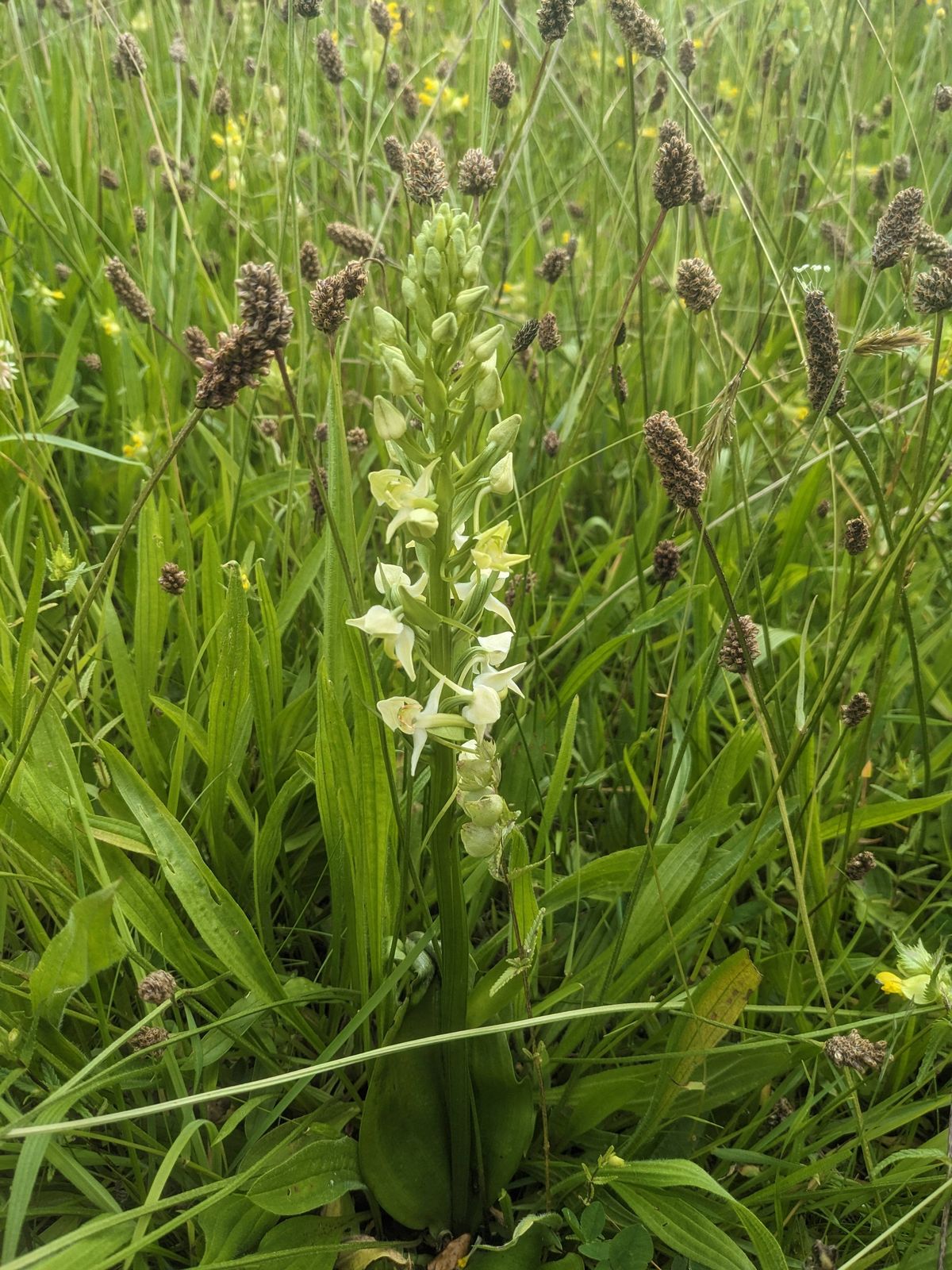 A greater butterfly-orchid found at Bannockburn.
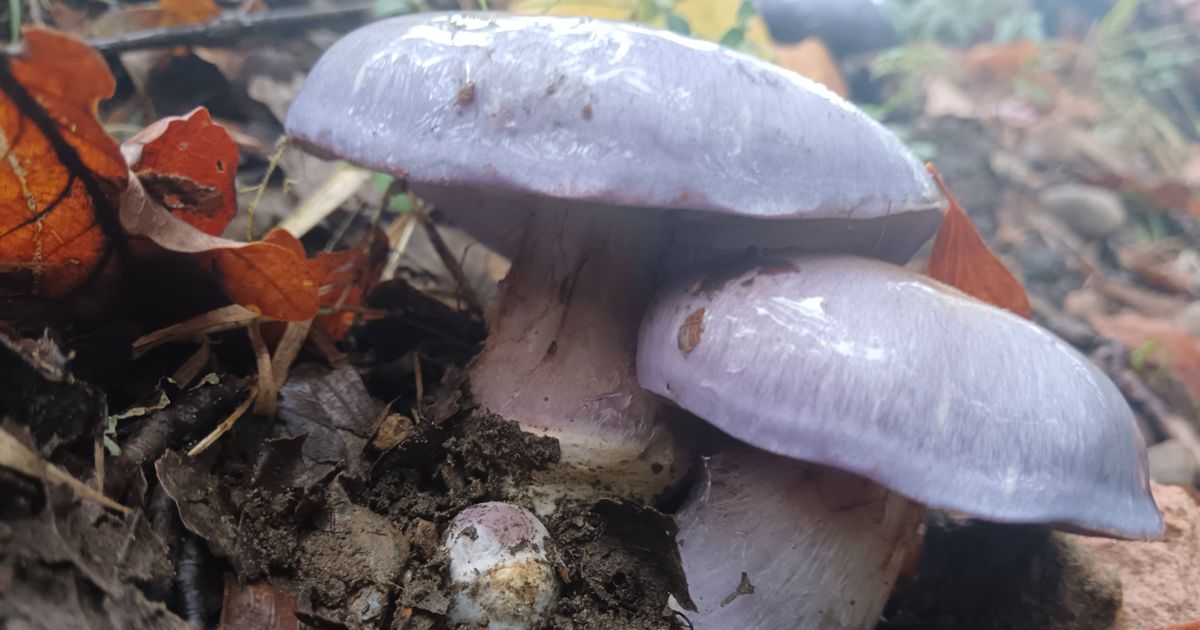
Among the notable discoveries in 2025 was the Cortinarius eucaeruleus at Killiecrankie in Perth and Kinross. This rare fungus, which features on the IUCN Red List of Threatened Species, was identified by NTS seasonal ranger Angus Todd and confirmed by mycologist Liz Holden.
In other developments, Glencoe National Nature Reserve recorded its first-ever sighting of a thriving population of small cow-wheat, while lichenologist Andy Acton discovered the rare lichen Thelocarpon actonii at the same reserve.
Mr Waddell commented: “These discoveries are more than scientific records; they are reminders of what makes Scotland’s landscapes so extraordinary. From a rare fungus sprouting in ancient woodland to orchids thriving in restored grasslands, each find tells a story about the resilience of nature and the value of long-term conservation.”
He added: “As custodians of some of Scotland’s most important natural places, we have a unique responsibility to look after the nature in our care, and we remain committed to restoring and protecting habitats where species can not only survive but thrive.”
Founded in 1931, the National Trust for Scotland oversees more than 100 locations, encompassing islands, coastal areas, gardens, mountain ranges, castles and historic battlefields.