(Credits: Far Out / Andy Witchger / Private Stock Records)
Sat 3 January 2026 7:00, UK
There are a handful of artists who can claim to have invented the sonic character of 1980s pop, one being famed Italian producer Giorgio Moroder.
He might even just push Kraftwerk out of the way. While the Düsseldorf automatons stand as electronic music’s big bang, their pioneering synth pieces didn’t penetrate the core of popular culture as deeply as Moroder’s shimmering Moogs and hypnotic sequencers. He’d been plugging away for a while, dropping solo records as early as the late 1960s in a more psychedelic rock vein, before embracing the synths and becoming a sought-after studio whizz able to harness the latest futurist sounds.
In came Donna Summer’s chromatic ‘I Feel Love’ disco gem in 1977, and jaws dropped across pop royalty and the depths of the post-punk underground. Not even ‘Trans-Europe Express’ was able to yield quite so ubiquitous a musical reach as Moroder’s dazzling dance cut. Before long, Moroder’s NRG touch would define the neon decade, lending his visionary pop chops to Sparks, Phil Oakey, and David Bowie, and composing the electronic scores of Midnight Express, Scarface, and The NeverEnding Story.
Yet, Moroder’s finest moment after Summer’s immortal Eurodisco would be pushed by Hollywood producer Jerry Bruckheimer. Eager to bolster writer and director Paul Schrader’s Los Angeles escort thriller’s commercial appeal, Bruckheimer nabbed Moroder to pen a tie-in single for 1980’s American Gigolo, who sketched out a propulsive demo track initially intended for Stevie Nicks, before looking at the new wave’s essential chart monsters.
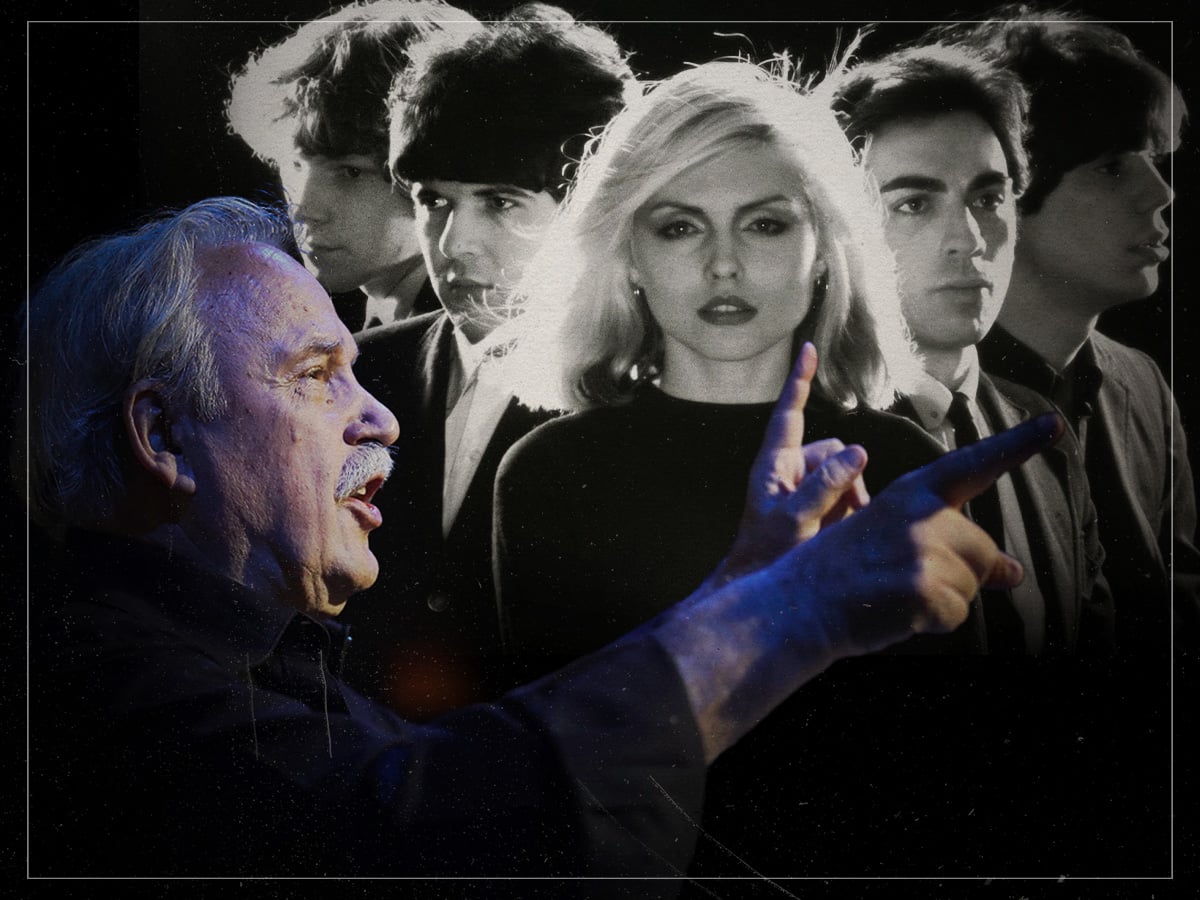
By the end of the 1970s, Blondie was one of the biggest groups on the planet, standing shoulder to shoulder with Moroder among the era’s pop peak. They were shaped by punk, however. Pulled into Moroder’s fastidious tech-tinkering and extensive studio polish, Blondie’s recruitment to cut American Gigolo’s ‘Call Me’ theme as a live band would inevitably clash with the Italo-disco producer’s studio practices.
“There were always fights,” Moroder told Billboard. “I was supposed to do an album with them after that. We went to the studio, and the guitarist was fighting with the keyboard player. I called their manager and quit.”
Firstly, there were disgruntlements about the base ‘lock’ track; ‘Call Me’s underlying beat needed to keep in sync with the scene the number was dropped in. Blondie weren’t thrilled with adding their takes on Moroder’s work, but relented when explained to them the necessity for it to work on screen. Then there was the pace. Moroder was not a producer who wanted to waste time. While focused on the hardware, Moroder didn’t otherwise want to spend any time longer than needed in the studio, rushing the band to get the job done in a manner they were unaccustomed to.
The final kicker was the use of session musicians. The New York block of recording was abandoned, in part by guitarist Chris Stein’s perennially buzzing amp and a perceived struggle to stay on the required timecode. Moroder corralled a team of musicians back in LA to finish the song, including future ‘Axel F’ composer Harold Faltermeyer handling the signature keyboard solo, resulting in the soundtrack credits labelling Blondie as behind the vocals only.
Through frayed tempers and tense sessions, ‘Call Me’ would eventually see release to massive success, standing as one of the biggest-selling singles of 1980 and a Blondie classic. Keyboardist Jimmy Destri would duly play Faltermeyer’s solo for all subsequent shows, and relationships hadn’t soured enough to stop further collaborations, Moroder stepping into the producer’s chair for singer Debbie Harry’s 1983 solo hit ‘Rush Rush’ for Scarface.
Related Topics