Surveying next summer’s Scottish tourism trends, Chris Greenwood, a senior researcher at Glasgow Caledonian University, said with the “coolcation” becoming a necessity, families are likely to move holiday bookings “from Tuscany to the Trossachs”.
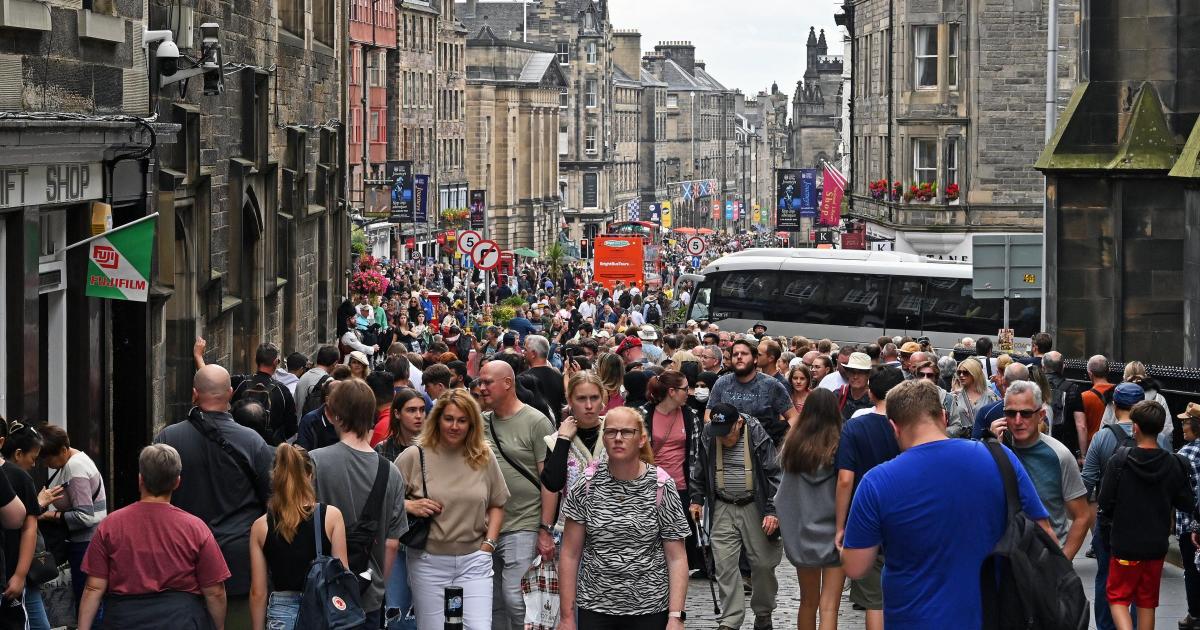
He also said visitors are likely to seek less crowded alternatives to popular Scottish sites such as the Fairy Pools in Skye and Edinburgh’s Royal Mile, which he said are becoming “victims of their own virality” on sites including Instagram.
READ MORE: Hundreds of sea creatures rescued from ghost fishing gear in the Clyde
However, he cautioned that Scotland may not be ready to take advantage of these trends, because of many areas having patchy transport and hotel infrastructure, and a lack of facilities such as high-end dining.
Greenwood’s predictions come after a year that has seen a limited spend by domestic holidaymakers offset by a booming international visitor market.
“On paper, 2025 looked robust,” he said.
“International visitor spending continued to grow, North American tourists continued their love affair with Scotland, and ‘set-jetting’ fuelled by yet another round of streaming hits, from the most recent Guillermo del Toro’s Frankenstein to established classics such as Diana Gabaldon’s Outlander.
“But just under the surface, the domestic reality was more evident.
Fairy Pools, Skye (Image: Getty)
“Cost of living has been an ever-present factor in visitor sentiment.
“While it perhaps reflected domestic consumers’ view of thrift and choice with a foreign holiday, the latter half of 2025 has morphed it into a growing budget constraint for many British families.
“While the Americans were buying cashmere in Edinburgh, locals were more selective on weekend breaks.”
He said the squeeze on domestic visitors – particularly families and younger travellers – is likely to continue next year, with many expected to replace longer holidays with short, high-intensity local breaks.
He said: “These ‘micro-speriences’ are often mid-week, hyper-local (within a two-hour drive), and focus on a single, high-value activity: a specialist food tour, a bespoke hiking guide, or a two-night glamping stay with a unique offering like stargazing or foraging.
“The goal is maximum emotional return for minimum time and cost.”
READ MORE: New papers reveal plans for Scottish independence referendum in 2011
He also said Scotland stands to benefit from a surge in visitors looking to reconnect with the land through high-end stays on working farms, where they can experience things such as field-to-plate dining and regenerative agriculture tours.
He described the so-called “farmcore” trend as a lifeline for Scotland’s rural economy, as it monetises the landscape without requiring new builds, and keeps high-margin revenue in local areas.
At the same time he predicted a growth in professionals in their 40s and 50s seeking a “micro-retirement” by taking month-long trips where they work part-time or disconnect entirely.
Unlike the “micro-sperience” market, these slow travellers “stay in one place for weeks, and they spend significantly more in the local supply chain than the ‘tick-box’ tourist”.
However, he said holiday businesses risk missing out on this trend if they do not offer amenities such as high-speed wifi and extended stay rates.
Greenwood said these trends take place as tourism businesses continue to have to adapt to a changing operating landscape in Scotland.
The short-term let licensing scheme became an administrative reality for many self-caterers in 2025.
Next year will also see the first visitor levies coming into effect, beginning with Edinburgh in July, which will see visitors pay an additional charge for overnight accommodation.
Greenwood said Scotland’s brand is “respected and renowned”, and there is no question it will remain a popular choice for holidaymakers.
This is not least, he said, because of international events including the forthcoming Commonwealth Games in Glasgow.
He also credited the “ambassadorial” role played by Scotland’s travelling football fans, who captured international attention at the 2024 Euros football tournament and are expected to do so again at the 2026 World Cup in the US.
However, he said Scotland needs to decide whether it wants to be “a volume destination or a value destination”.
He added: “The trends suggest the consumer is ready for ‘value’, slower, cooler, more authentic, and more expensive.
“The industry needs to be brave enough to charge for it and strict enough to manage the capacity.”