Home
»
America Travel News
»
Portugal Joins Poland, Germany, Ireland, South Korea, Qatar, France, And Thirty-Five More Nations In Dealing With Travel Challenges As US Hikes Visa Fees
Published on
January 3, 2026
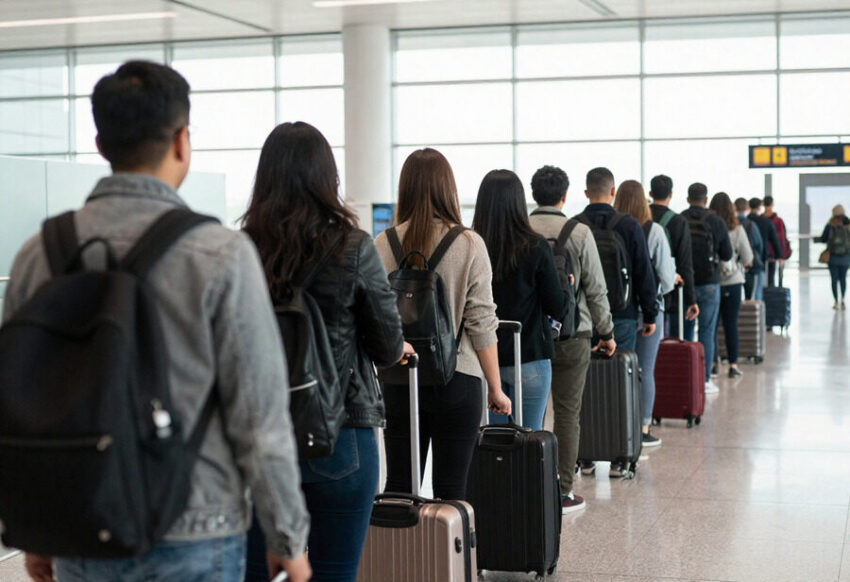
Portugal joins with nations like Poland, Germany, and France, is facing mounting travel challenges as the U.S. increases its ESTA fee to $40, impacting travelers from these countries who use the Visa Waiver Program (VWP) for short visits. This fee hike, effective starting September 30, 2025, is part of the U.S. government’s broader efforts to bolster border security, leading to higher travel costs and a more complex application process for millions of international visitors. As the new fee takes effect, citizens from affected countries will need to adjust to these changes in order to avoid disruptions in their travel plans.
Traveling to the United States is about to become a more rigorous process for many visitors, with significant updates to the Electronic System for Travel Authorization (ESTA) and visa application fees. These changes are designed to strengthen security measures and streamline the application process, but they come with a price—literally. From expanded data collection to higher fees, travelers will need to stay informed to avoid any disruptions. In this article, we’ll explore what these changes mean for travelers from Visa Waiver Program (VWP) countries, how the new mobile app for ESTA will work, and the potential impacts on future travel to the U.S.
Expanded Data Collection: A New Era of U.S. Border Security
As part of the U.S. government’s ongoing efforts to enhance national security, U.S. Customs and Border Protection (CBP) has introduced a series of changes to the ESTA application and Form I-94 for travelers from VWP countries. These changes, which will be implemented in stages through 2025 and 2026, will require travelers to submit much more personal information. This move is aimed at reducing the risks of identity fraud and terrorism, but it also brings greater scrutiny to travelers’ background.
Social Media Disclosure: The Digital Age of Vetting
Perhaps the most talked-about change is the mandatory social media disclosure. Travelers will now be required to submit their social media handles or accounts from the past five years, spanning platforms like X (formerly Twitter), Facebook, and Instagram. This new requirement, which stems from Executive Order 14161, is designed to help authorities perform more comprehensive digital vetting of travelers. While this may raise privacy concerns for some, it’s clear that digital information plays an increasingly important role in identifying security threats.
Comprehensive Contact Information
Along with social media details, applicants will also need to provide personal phone numbers, email addresses (from the past 5-10 years), and IP addresses from previous applications. Additionally, details about family members (names, birth dates, addresses, and phone numbers) will be collected. This expanded contact and history section will help U.S. authorities build a more complete profile of applicants, enhancing security and reducing the likelihood of fraudulent activity.
Biometric and Technological Enhancements
To make the application process faster and more secure, biometric data will now be incorporated into the ESTA application. New NFC-enabled passport chips and facial recognition technology will be used to verify travelers’ identities. The newly updated ESTA Mobile app will play a crucial role in this process, enabling applicants to upload biometric data directly from their smartphones. This new app, which eliminates the need for the web portal, will help improve the accuracy of data submissions and reduce fraud, including the common issue of blurry photos on passport applications.
Additional Information for Enhanced Security
Other significant data points will now be required, including travel companions’ details, employment history, U.S. address history, and geolocation data for departure reporting. By collecting this additional information, CBP aims to make travel to the U.S. safer for everyone, ensuring that only eligible, secure travelers gain entry.
Visa Fee Increase: What Travelers Should Expect
In addition to the data collection changes, travelers will see a rise in the ESTA application fee starting September 30, 2025. The fee will increase from the current $21 to $40, reflecting the increased administrative costs associated with the expanded data requirements and security measures.
Fee Breakdown: Understanding the New Cost Structure
The new $40 fee will consist of two parts:
- $10 Processing Charge: This fee is non-refundable and covers the processing of the ESTA application, even if the application is denied.
- $30 Authorization Fee: This is charged only upon approval, covering the authorization for entry into the U.S.
The fee increases will apply to travelers from Visa Waiver Program (VWP) countries, which means that travelers from 34 European nations, 7 Asia-Pacific countries, and 2 Middle Eastern nation will all be impacted. These countries must ensure that their citizens complete the ESTA application accurately and provide the required information to avoid delays.
Future Fee Adjustments
Although no additional fee increases are currently proposed, the $40 fee may be subject to adjustments for inflation starting in 2026. The annual Consumer Price Index (CPI) indexing will apply, meaning the fee could rise slightly each year to account for economic changes. Travelers are encouraged to apply early to lock in the current rate and avoid potential future increases.
The New ESTA Mobile App: A Shift Toward Digital Applications
As part of the broader modernization efforts, the ESTA Mobile app will become the exclusive platform for submitting ESTA applications. The app, launched in 2023 and updated in 2025, provides a faster, more secure, and fraud-resistant way to process applications.
The mobile app will allow travelers to upload their biometric data directly from their devices, ensuring that the information provided is both accurate and easily verifiable. With an expected 20% reduction in fraud—especially from blurry passport photos—this shift is a significant step forward in modernizing the visa application process. Although the web portal will still process applications that were started before the mobile app’s launch, no new applications will be accepted via the web portal.
How These Changes Impact VWP Travelers: Potential for a 5-10% Decline in Applications
These heightened security measures, while beneficial for border safety, could potentially result in a 5-10% decline in VWP applications. The added data requirements and increased scrutiny may discourage some travelers, particularly those uncomfortable with disclosing extensive personal information. Furthermore, travelers who fail to submit complete or accurate data may face an increased risk of their applications being denied.
Despite the challenges, the U.S. government emphasizes that these changes are necessary for the safety of the country and for protecting national interests. Travelers are encouraged to apply early and ensure that their applications are fully completed to avoid delays.
Countries Affected by the New ESTA and Visa Fees
The Visa Waiver Program (VWP), which allows travelers from 42 countries to visit the U.S. for 90 days without a visa, will be directly affected by these new changes. Below is a table that lists all the countries whose citizens must apply for ESTA under the updated regulations.
As the U.S. continues to refine its border security measures, travelers must adapt to the evolving requirements of the Visa Waiver Program (VWP) and ESTA application process. From the mandatory social media disclosures to the $40 ESTA fee and the shift to a mobile app-based system, these changes are designed to ensure the safety of U.S. citizens and visitors alike. While these measures may seem burdensome to some, they are necessary to meet the growing security demands in an increasingly digital world.
Portugal and 35 other nations are facing travel disruptions as the U.S. raises its ESTA fee to $40, effective September 30, 2025, in a move to enhance border security and streamline visa processes. This fee increase adds new financial burdens for travelers using the Visa Waiver Program.
If you’re planning to visit the U.S. in the near future, be sure to stay updated on the latest requirements and apply early to avoid any disruptions. Make sure to double-check your application details, as incomplete or inaccurate data could lead to denial. By staying informed, you’ll be well-prepared for the new ESTA application process and the changing landscape of U.S. immigration.
