‘Every doctor and nurse I spoke to said I was incredibly young to be having a stroke’
04:00, 03 Jan 2026Updated 08:56, 03 Jan 2026
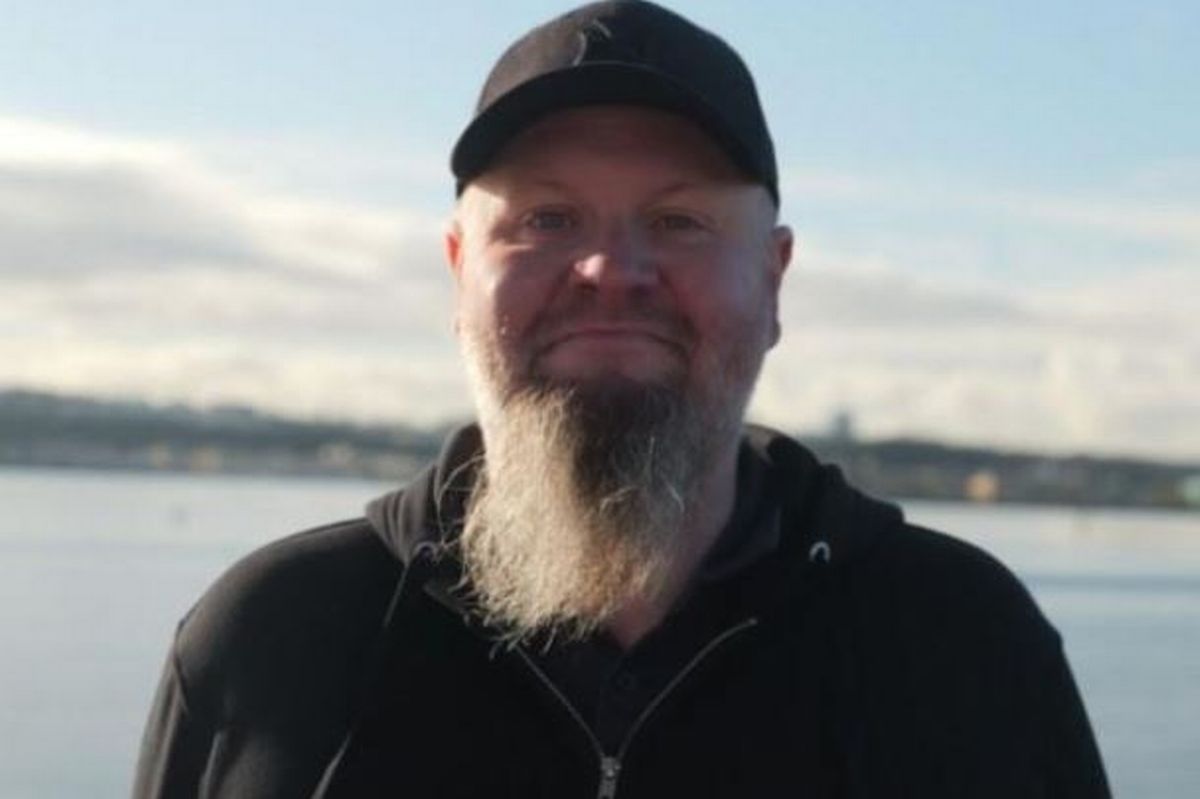 Adam Watkins, who was a 30-a -day smoker until a serious health scare forced him to take action(Image: Cardiff and Vale UHB)
A man who thought he had just “slept awkwardly” had actually suffered a stroke due to a common habit. Adam Watkins, from Splott in Cardiff, began slurring his words and struggling with tasks at home last summer. Aged just 41, it never occurred to him that his symptoms could have been caused by a stroke, while his partner wondered if he was drunk.
A consultant explained that Adam’s years of smoking, coupled with an inherited blood disorder, both contributed to the sudden decline in his health. He has decided to share his story to encourage others to stop smoking, and to raise awareness of the tool that helped him quit for good.
“I can remember it vividly,” said Adam, recalling the first time he had a puff of a cigarette. “I was 17 and in a nightclub that I was too young to be in. A girl asked me for a cigarette but I didn’t have one, so I bought some just so I could impress her.”
After “just five or six” cigarettes, Adam admitted the addiction took hold. “Almost straight away I felt the craving and the need for it – plus I thought it looked cool, so I carried on smoking for the next 25 years.”
Four months ago, at the age of 41, Adam suffered a mini stroke known as a transient ischemic attack, or TIA for short, linked in no small part to his years of heavy smoking. It would have a profound impact on his life.
He added: “I woke up on a Sunday morning and my left arm felt a bit numb. I just thought I’d slept on it awkwardly. Then over the course of the next hour or two it got worse and worse. I was speaking with Laura and she thought I was drunk because I was slurring my words quite a lot.
“We were in the garden having a cigarette when I lost all control of my left arm, dropping my cigarette. Laura noticed the left side of my face started to droop, and that’s when we decided that I should probably head to hospital.”
Adam, who works as a civil servant, said he was in the emergency unit at the University Hospital of Wales in Cardiff for “less than five minutes” before he was seen by a stroke specialist.
“They knew straight away that I’d had a stroke. At the time I didn’t really know how to react, but when I learnt about what a stroke does to you – and the catastrophic consequences it can have – it began to sink in,” he said.
“Every doctor and nurse I spoke to said I was incredibly young to be having a stroke.” As Adam was already living with a blood disorder called polycythaemia, which results in excessive red blood cells in the body, his chances of having a stroke were heightened.
“I just had this ‘it’ll never happen to me’ attitude – but it did,” he added. “Smoking is especially dangerous if you have polycythaemia because it thickens the blood and reduces oxygen delivery around the body.
“Smoking increases carbon monoxide levels, causing your body to make even more red blood cells, which raises the risk of blood clots, stroke, and heart attack.”
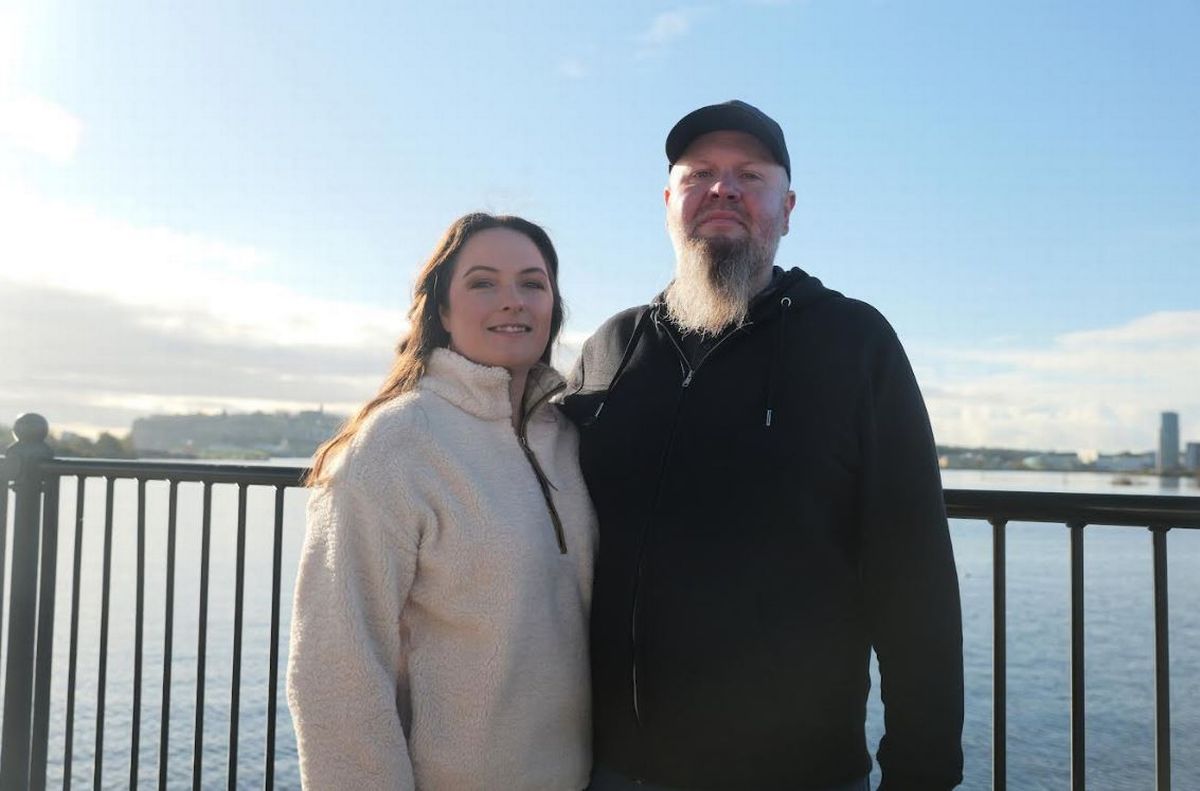 Laura and Adam have quit smoking together as a couple – something which Ms Fisher says evidently aids progress(Image: Cardiff and Vale UHB)
Adam, now 42, admitted the TIA was the “wake up call” he needed to give up smoking. After being discharged from hospital, he went to a follow-up appointment with his GP who referred him to Help Me Quit, a free NHS-run stop smoking service run out of the practice.
He received seven weeks of tailored help from Help Me Quit practitioner Cathy Fisher and accessed 12 weeks of free nicotine replacement products. To help him along the journey, his partner Laura Milford, 36, also decided to give up the habit and they were able to book back-to-back appointments for both of them to attend together.
“When Adam had his stroke and decided to quit, I knew I had to quit as well,” Laura said. “I’d been halfway there in my head for a couple of years. After losing my mum in 2023 I got in touch with Cathy at the Help Me Quit clinic, but it wasn’t the right time for me, and knowing Adam would continue smoking made it more difficult to fully commit.”
When asked to describe the service offered by Cathy, Adam said: “Having someone who understands what you are going through, and has a deep understanding of the addiction, is amazing.
“It’s also hundreds of pounds worth of support with nicotine replacement products – and that’s all free on the NHS. It’s cheaper to offer that than treat someone with lung cancer, a stroke or a whole myriad of other conditions that smoking causes.”
Incredibly, since giving up smoking a few months ago, his polycythaemia has improved considerably. “I was having a pint of blood taken every three to four weeks to try and remove the excess red blood cells. I had a phone call recently from my nurse in the haematology department who said my red blood cell count is now within the target range – and that’s down to stopping smoking.”
Adam said he didn’t realise how bad his breathing was until he stopped smoking. “A couple of weeks after stopping smoking, it felt like I had a third lung,” he said. “You can smell things better, you can taste things better and my smoker’s cough has gone.
“I was spending upwards of £200 a month on cigarettes and tobacco, but now I’ve stopped it feels like I’ve had a pay rise.”
Laura reflected on her own journey and added: “I no longer need to go outside to smoke – I can stay in the warm. I play netball twice a week and have noticed my breathing has improved; I can play a full hour match comfortably, compared to when I was smoking and would take a quarter off the court to recover.
“As a couple, we’re getting out of the house more together and going for nice walks – something Adam couldn’t do often because of the pain in his legs caused by the narrowed arteries and polycythaemia.”
Adam and Laura have urged anyone who is thinking about quitting smoking to find out more about Help Me Quit and the services on offer.
Adam added: “Help Me Quit won’t force you to do anything. There’s support, advice, and they’re there even if you just want to ask questions about what happens when you stop smoking. They are trained and incredibly professional.”
Cathy Fisher, smoking cessation practitioner, said she was immensely proud of Adam and Laura’s joint effort to quit smoking.
“They had quite a difficult journey before they came to see me – and they have absolutely smashed it,” she said. “They’ve had a rocky path along the way but seeing them quit together was brilliant.
“In fact, there’s a 67% higher chance of a successful quit as a couple than if you try to quit alone. That was really evident with Adam and Laura as they kept each other balanced. Adam was an embedded, 30-a-day smoker, but even he saw a way out of it.”