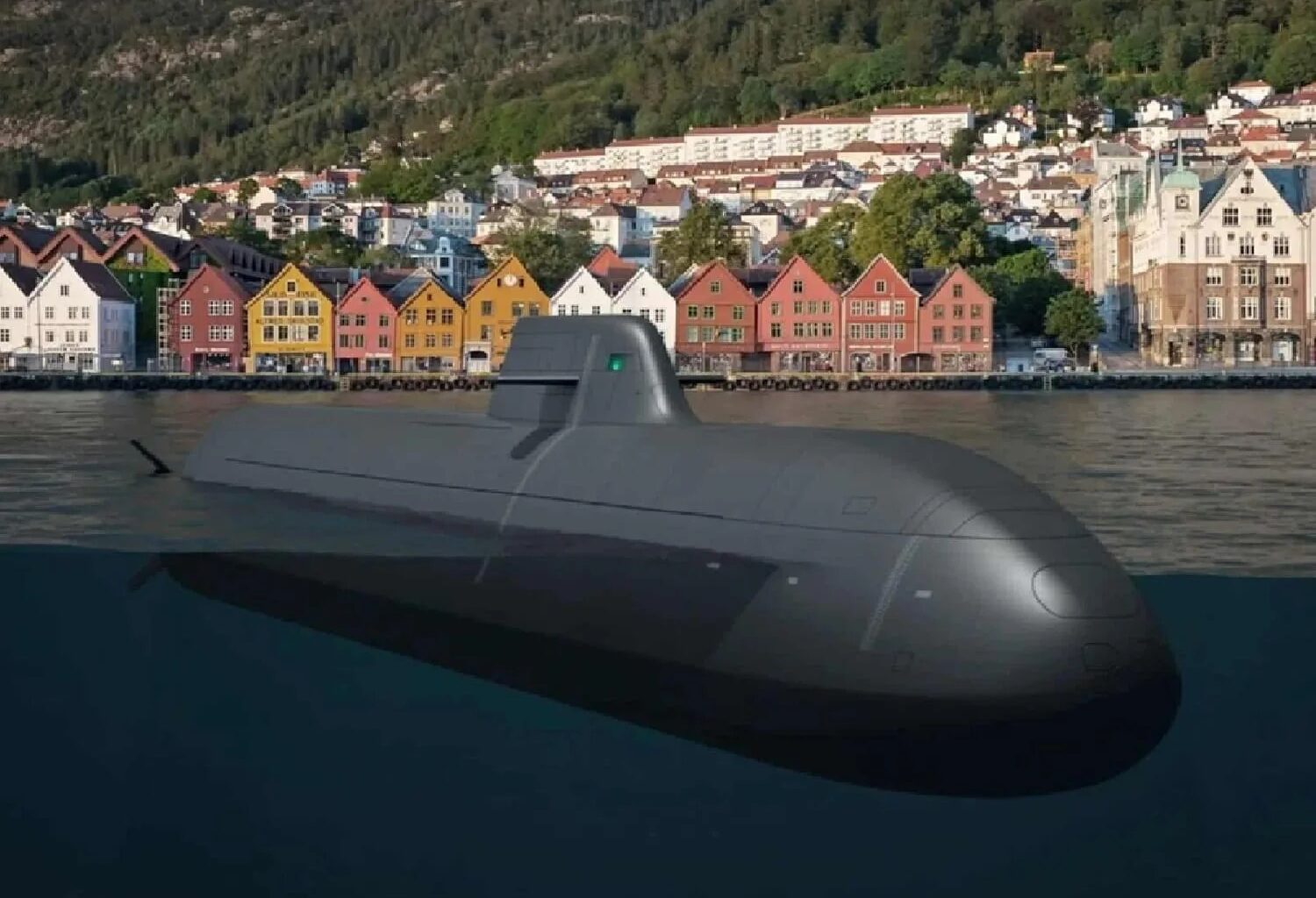
Closing what has been described as a record order, TKMS and the Federal Office of Bundeswehr Equipment, Information Technology and In-Service Support (BAAINBw) have revealed the signing of a major contract to move forward with the production of the new DM2A5 heavyweight torpedo, which is intended to equip the future Type 212CD submarines of Germany and Norway. However, despite the agreement’s significance for the parties involved, both have officially agreed and announced that neither the associated cost nor the number of units acquired will be disclosed.
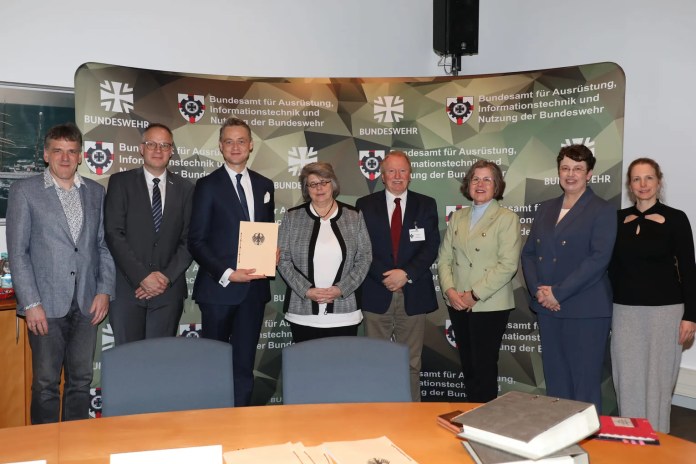
Commenting on the announcement, Atlas Elektronik Executive Vice President Michael Ozegowski addressed the news while maintaining discretion regarding those details: “This torpedo order is the largest in the history of our Group to date. It represents a strategic success for TKMS and the Atlas Elektronik segment and underscores our leadership in the development and supply of advanced submarine technology. The DM2A5 heavyweight torpedoes will significantly enhance the capabilities of the Type 212CD-class submarines and make an important contribution to the security of Germany and its partners.”
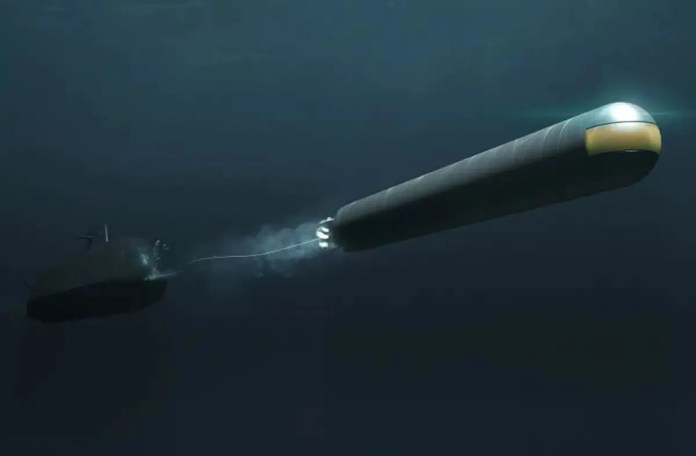
In this regard, it is worth recalling that the torpedoes in question were developed in line with the Software Defined Defense (SDD) concept, which allows them to take advantage of available technological innovations and translate them into greater operational flexibility. In addition, each DM2A5 features an electric propulsion system based on high-capacity batteries, which the manufacturer claims provide greater speed and range while maintaining a low acoustic signature. Another noteworthy aspect is its advanced digital sonar, capable of operating in complex environments, as well as its fiber-optic connection to the submarine, from which its trajectory can be adjusted to ensure precise impact.
On the other hand, broadening the view of the Type 212CD submarine program, it should be recalled that the German Navy is expecting to field a fleet of six units, while Norway has outlined the purchase of another six. In both cases, these were agreements originally signed for a smaller number of submarines (two and four respectively), but which the governments in Berlin and Oslo later decided to expand in order to strengthen their deterrence capabilities in the North Atlantic and the Baltic.
Alongside these developments, the two European partners have also been working to position the submarine as a candidate to equip the Royal Canadian Navy, which aims to acquire 12 boats to renew its submarine capabilities as a replacement for the Victoria class. Should this materialize, the total number of Type 212CD submarines would rise to 24. Notably, earlier this month TKMS concluded a strategic partnership agreement with the Canadian company Marmen in order to present proposals to Ottawa that involve local industrial stakeholders.
Images used for illustrative purposes.
You may also like: For €1.2 Billion, Germany Confirms the Purchase of Its First 84 RCH 155 Wheeled Self-Propelled Howitzers