Home
»
United Kingdom Travel News
»
United Kingdom Faces Unprecedented Travel Disruptions as Snowstorm Hits, Bringing Delays, Cancellations, and Hazardous Road Conditions Across Multiple Regions
Published on
January 3, 2026
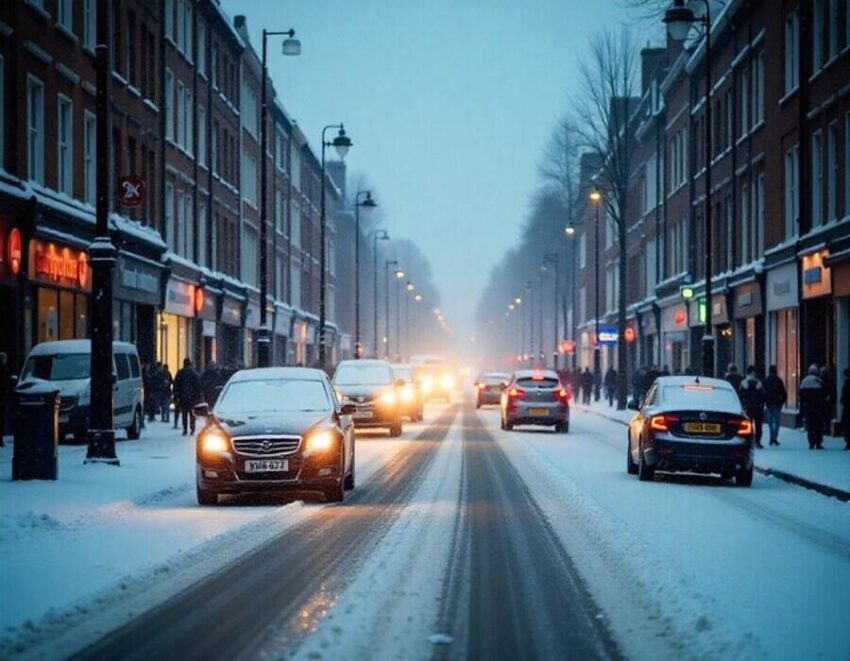
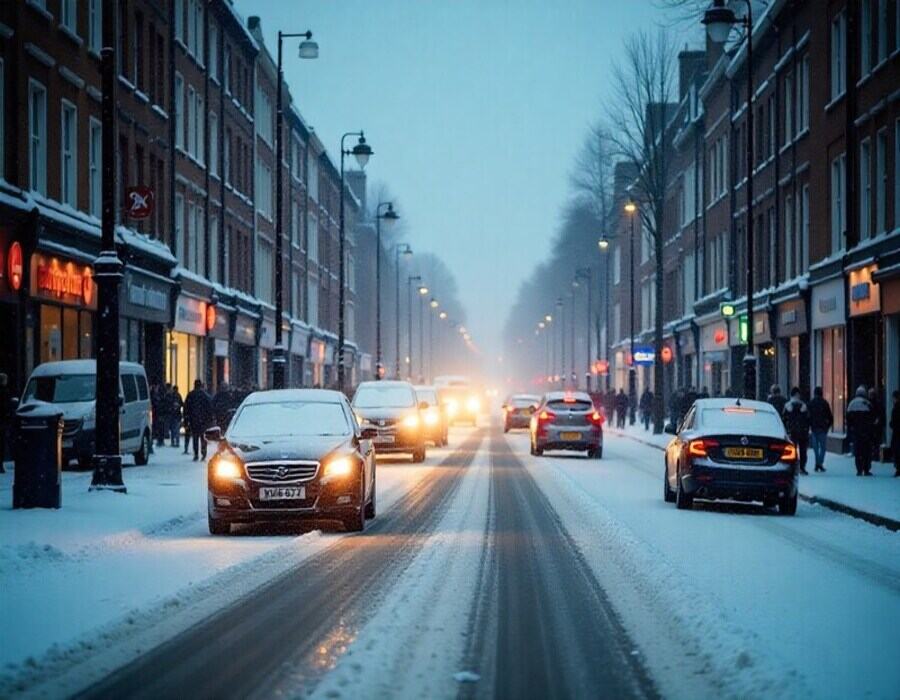
The United Kingdom is facing widespread travel chaos as an intense winter storm disrupts roads, railways, and airports, leaving travelers stranded and causing major delays. With heavy snow and icy conditions blanketing much of the country, including Scotland, England, Wales, and Northern Ireland, essential transport services are severely impacted. The Met Office has issued snow and ice warnings, predicting up to 40 cm of snow in some areas, while sub-zero temperatures add to the already hazardous travel conditions. As snow continues to fall, the country is bracing for further disruptions, with journeys expected to take much longer and dangerous icy surfaces making both driving and walking perilous.
Travel Disruptions Across the UK as Snowstorm Hits, Delays and Cancellations Expected
A snowstorm sweeping across the UK is causing widespread travel disruptions, with delays, cancellations, and roadblocks affecting various regions. The storm has already brought significant snowfall, and authorities are urging travelers to take caution, as hazardous weather conditions are set to continue through the weekend.
Snow and Ice Warnings Issued Across the UK
The Met Office has issued yellow snow and ice warnings for several areas, including the south-west, north-west, and east coast of England, as well as Wales and Northern Ireland. These warnings are expected to last until Monday, with the possibility of more snow over the coming days.
Scotland has already been heavily impacted, with snow blanketing parts of the country. Some regions are expected to receive up to 40 cm (15 inches) of snow, while other areas in England and Wales could see around 5 cm. Along with the snow, daytime temperatures are expected to remain low, staying in the single digits across much of the country. Northern Scotland, however, will experience even colder temperatures, dipping below freezing.
As the evening sets in, temperatures are predicted to drop even further. The Met Office forecasts a nighttime plunge to between -6°C and -8°C across much of Scotland, while rural parts of England, Wales, and Northern Ireland could see lows of -4°C to -5°C.
What to Expect
Travelers should anticipate significant disruption to both road and rail travel. Several roads and railways could be affected by the weather, causing delays and longer journey times. Motorists are advised to take extra care due to icy conditions on the roads, and public transport users should expect delays across bus, train, and other services.
Icy surfaces will make walking and cycling hazardous, especially on untreated paths. The Met Office has warned that slips and falls are likely in areas with ice, and drivers should be aware of icy patches on untreated roads, pavements, and cycle paths.
Key Travel Disruptions:
- Road and Railway Delays: Expect longer journey times due to snow and ice.
- Icy Conditions: Icy patches on untreated surfaces, making walking, cycling, and driving difficult.
- Public Transport Disruptions: Delays expected on buses, trains, and other public transport.
What to Do
To minimize risks and avoid delays, it is essential to plan ahead and adjust travel arrangements accordingly. If you’re heading out, consider leaving a little earlier than usual to avoid rushing. This will reduce the chances of accidents and give you more time to navigate icy conditions.
For pedestrians, it is safest to walk on pavements along main roads, as they are usually treated to prevent ice build-up. If you’re cycling, stick to main roads as well, since these are more likely to have been salted or treated. When driving, pack essential items in case of unexpected delays, such as:
- Warm clothing
- Food and water
- A blanket
- A torch and spare batteries
- An ice scraper and de-icer
- A warning triangle
- A high-visibility vest
- An in-car phone charger
Stay updated on weather warnings, as the Met Office is continuously monitoring the situation. Local forecasts may change, so it’s essential to keep an eye on them for any updates. If traveling by public transport, regularly check timetables for any changes or delays to your journey.
If you plan to drive, ensure your vehicle is equipped for wintry conditions. Keep your windows clear of snow, and check your vehicle’s tire pressure and antifreeze levels. Ensure your brakes are functioning well, and that your wipers are clear of ice or snow.
Additional Travel Tips:
- Check for Road Closures: Roads may be closed due to heavy snow, so always confirm the route in advance. Look out for signs or official announcements regarding closures.
- Monitor Weather Alerts: Weather conditions may worsen quickly, so continue to monitor the Met Office and local news for updates on weather warnings and road conditions.
- Avoid Unnecessary Travel: If possible, avoid non-essential travel during the worst of the storm. If you can, work from home or delay trips until conditions improve.
- Prepare for Power Cuts: Snowstorms can also lead to power outages. If traveling, ensure you are prepared with the essentials for dealing with any disruption, especially if heading to rural or remote areas.
- Drive Safely: If you must drive, reduce speed, leave extra space between vehicles, and avoid sudden maneuvers. Keep headlights on and stay alert for black ice.
The United Kingdom is experiencing severe travel disruptions as a powerful winter storm causes heavy snowfall and icy conditions across the country. With widespread road, rail, and airport delays, travelers are facing significant challenges as conditions worsen.
As the snowstorm continues to impact the UK, travelers are urged to take necessary precautions to stay safe. With icy roads, train delays, and public transport disruptions expected, it is crucial to plan your journey carefully. Ensure you are well-prepared for the conditions by carrying essential items and staying informed about weather updates. By taking these steps, you can reduce the impact of the snowstorm on your travel plans and keep safe during the winter weather.
