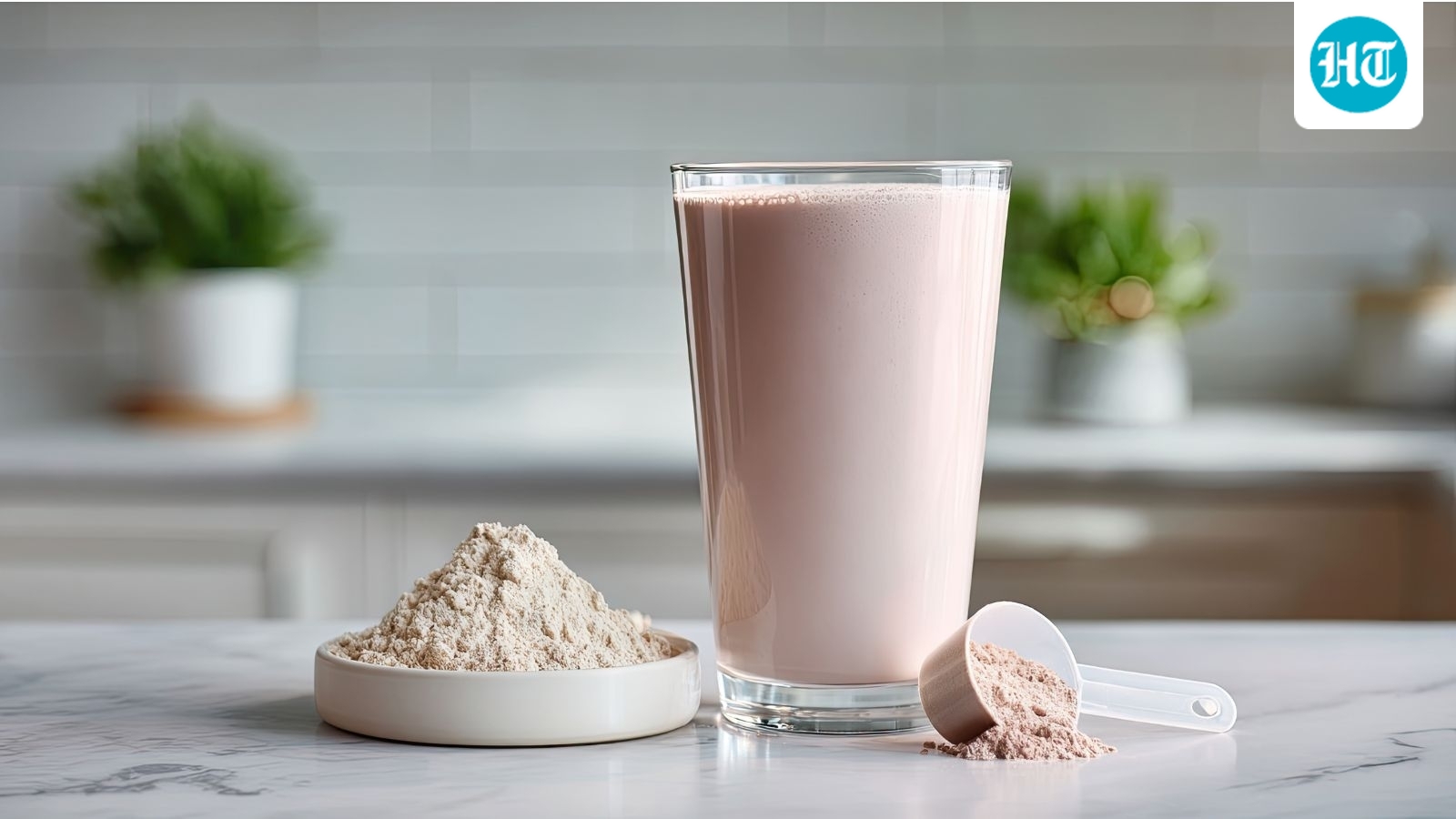
A sugar-free protein powder isl designed to support health without compromising glucose control. The quality of a protein powder hinges on three essentials: the protein source, transparent ingredients, and disciplined manufacturing. Whey protein isolate stands out as a complete, rapidly absorbed protein, virtually free of sugar, lactose, and fat when sourced and processed carefully. True clean protein excludes added sugars, artificial sweeteners, fillers, and other hidden additives, focusing on formulations that are gut- and metabolism-friendly.
 Pick sugar-free protein powders for healthy gains and better results (Adobe stock )
“Protein powders should reduce metabolic load, not add to it,” says Dr Rajiv Kovil, Head of Diabetology and weight loss expert, Zandra Healthcare, to HealthShots.
Why whey protein isolate is the cleanest choice?
Whey protein isolate remains the cleanest and most efficient option, as it offers a complete amino acid profile rich in leucine and is rapidly absorbed, making it ideal for muscle synthesis. When sourced from high-quality dairy and minimally processed, it can be virtually free of sugar, lactose, and fat, setting the benchmark for “clean protein.”
Dr Kovil explains: “Its quality depends less on branding and more on three non-negotiables: protein source, ingredient honesty, and manufacturing discipline.”
Plant-based proteins can be effective, but only when carefully blended and tested. True clean protein is defined by exclusion: no added sugars, fillers, or artificial sweeteners.
Debunking the “plant-based” effect
Misconception: Many people believe that “plant-based” automatically means healthier or cleaner, but that’s not always the case.
According to Kovil, single plant protein sources often lack a complete amino acid profile, making them biologically inferior. Poor sourcing can also increase the risk of heavy metal contamination. So, opt for blended plant proteins that provide amino acid correction and undergo rigorous third-party testing to ensure purity, safety, and efficacy. “Plant-based does not automatically mean clean,” emphasises the expert
What not to find in sugar-free protein
Clean protein is defined by what it excludes. Avoid powders containing:
- Added sugars, maltodextrin, or corn syrup solids.
- Artificial sweeteners can spike blood sugar levels or disrupt gut health.
- Fillers, gums, and flavour-masking agents.
Doctor-approved sweeteners: If sweetness is needed, choose non-glycemic natural options like Stevia or Monk Fruit for safe metabolic support.
Why manufacturing quality matters for health and safety
A high-quality protein powder must meet three non-negotiable criteria of manufacturing. It should undergo third-party testing to ensure it is free from heavy metals, hormones, antibiotics, and microbes. Use low-heat processing to preserve amino acid integrity and maintain label honesty, so sugar isn’t hidden under scientific aliases. In the context of obesity and diabetes care, clean protein reduces metabolic load, providing nutrition without stressing insulin response.
FAQ’s: Buying guide for sugar-free proteinWhat is a clean, sugar-free protein powder?
A protein powder with no added sugar, fillers, or artificial sweeteners, made from high-quality ingredients.
Who should use sugar-free protein powders?
Ideal for individuals with diabetes, fitness enthusiasts, and anyone seeking to support muscle growth without spiking blood sugar.
How do I choose the right protein?
Verify the protein source, ingredient transparency, and conduct third-party testing for purity and quality assurance.
Are plant-based powders automatically clean?
No, only those with proper amino acid balance, sourcing transparency, and minimal additives qualify as “clean.”
(Note to readers: This article is for informational purposes only and not a substitute for professional medical advice. Always seek the advice of your doctor with any questions about a medical condition.)