Home » Destination News » Scotland stands to benefit from the coolcation movement as tourists trade crowded hot destinations for space nature and comfort
Published on
January 4, 2026
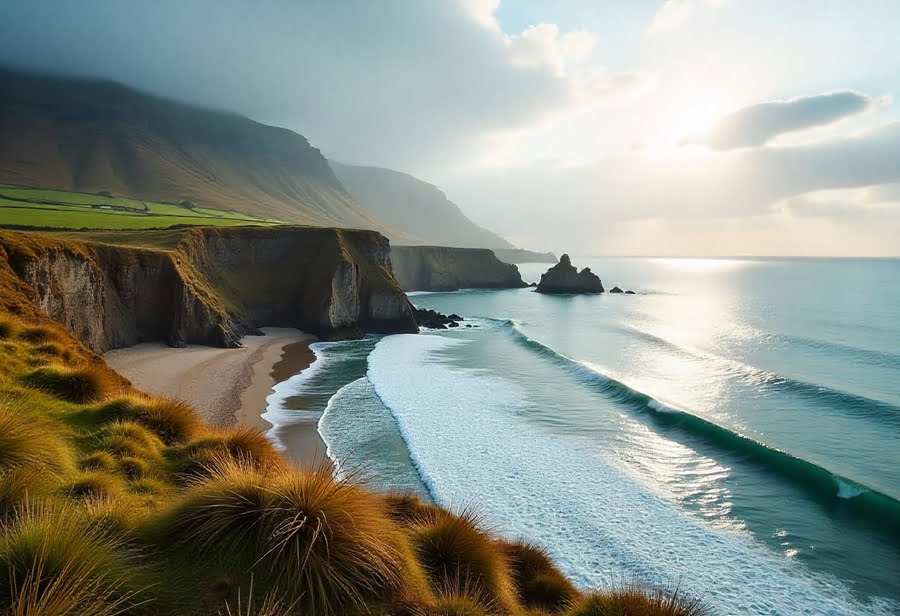
Scotland is emerging as a prime destination for summer travellers seeking respite from the increasingly unbearable heat and overcrowding of traditional holiday hotspots. As temperatures soar across southern Europe, visitors are prioritising cooler climates, open landscapes and less congested experiences, making Scotland’s temperate summers and scenic beauty highly appealing. The country’s natural assets, from tranquil lochs and rolling highlands to vast forests and coastal retreats, offer the space and connection to nature that many holidaymakers now crave. At the same time, the rise of the “coolcation” trend reflects a broader shift in travel behaviour, where comfort, relaxation and high-quality experiences take precedence over sun-drenched beaches or busy city streets. With international interest growing and travellers increasingly seeking alternatives to crowded destinations, Scotland stands poised to capitalise on this movement, attracting both domestic and overseas visitors eager for slower, more immersive and environmentally considerate holidays.
This shift has accelerated the rise of the “coolcation,” a travel style focused on mild weather, outdoor exploration and climate comfort. What was once a niche preference is now becoming a practical necessity for many travellers unwilling to endure prolonged heatwaves. With thoughtful repositioning, Scotland has the potential to benefit significantly from this change, particularly among affluent families and experienced travellers who are replacing sun-soaked coastal retreats with landscapes defined by lochs, forests and fresh air.
Early indicators show that high-spending travellers are already redirecting peak-season bookings from southern Europe to scenic Scottish regions. These visitors are drawn not only by cooler temperatures but also by a growing desire for space, tranquillity and nature-led experiences. At the same time, travel patterns within Scotland are evolving. Visitors are increasingly avoiding heavily promoted landmarks and city centres that have become crowded through social media exposure. Instead, they are searching for quieter destinations that offer similar cultural and natural appeal without the congestion.
Despite this growing demand, questions remain about Scotland’s readiness to fully capitalise on the opportunity. In several rural and coastal areas, transport links remain limited, accommodation supply is uneven, and premium hospitality options are scarce. The absence of consistent high-end dining, seamless connectivity and modern visitor services may restrict Scotland’s appeal to travellers accustomed to refined experiences alongside natural beauty.
International tourism continues to deliver positive momentum. Visitor spending from overseas markets is rising, with long-haul travellers maintaining a strong emotional connection to Scotland’s heritage, landscapes and storytelling. Screen-inspired travel remains a powerful influence, as popular films and television series continue to inspire itinerary planning and extend visitor stays. However, beneath this international success lies a contrasting domestic reality.
Within the UK, rising living costs are reshaping holiday decisions. Budget pressures are now a dominant factor influencing travel sentiment, particularly for families and younger travellers. While overseas travel was once viewed as offering better value, escalating expenses are forcing many households to reconsider discretionary spending. Domestic travellers are becoming more selective, opting for shorter trips and reduced spending rather than extended holidays.
Looking ahead, this pattern is expected to continue. Many UK residents are likely to replace traditional week-long breaks with short, high-impact escapes closer to home. This trend presents both challenges and opportunities for Scotland’s tourism economy. Rural regions, in particular, are finding new relevance through immersive countryside experiences that celebrate local life, agriculture and heritage. These stays generate income without requiring major new developments, keeping economic benefits within local communities.
Another emerging segment is reshaping demand at the higher end of the market. Professionals in mid-life are increasingly seeking extended stays that blend work flexibility, rest and personal enrichment. These longer visits, sometimes lasting several weeks, differ from fast-paced sightseeing trips. Slow travellers tend to spend more consistently across local supply chains, supporting independent businesses and services. However, accommodation providers risk missing this opportunity if they fail to offer essentials such as reliable high-speed internet, flexible pricing and incentives for longer stays.
All of these trends are unfolding alongside significant changes to Scotland’s tourism operating environment. New licensing requirements for short-term rentals have added administrative complexity for many accommodation providers. In addition, the introduction of visitor levies in major cities will add new costs for overnight guests, beginning with urban centres before potentially expanding elsewhere. These measures aim to balance tourism growth with community wellbeing but will require careful management.
Scotland’s tourism brand remains globally respected and resilient, supported by major international events and strong cultural visibility. Yet the sector now faces a defining choice. The future lies in deciding whether to prioritise high visitor numbers or focus on attracting fewer travellers who deliver greater economic value with lower environmental and social impact. The path chosen will shape Scotland’s tourism landscape in a climate-conscious and experience-driven era.
