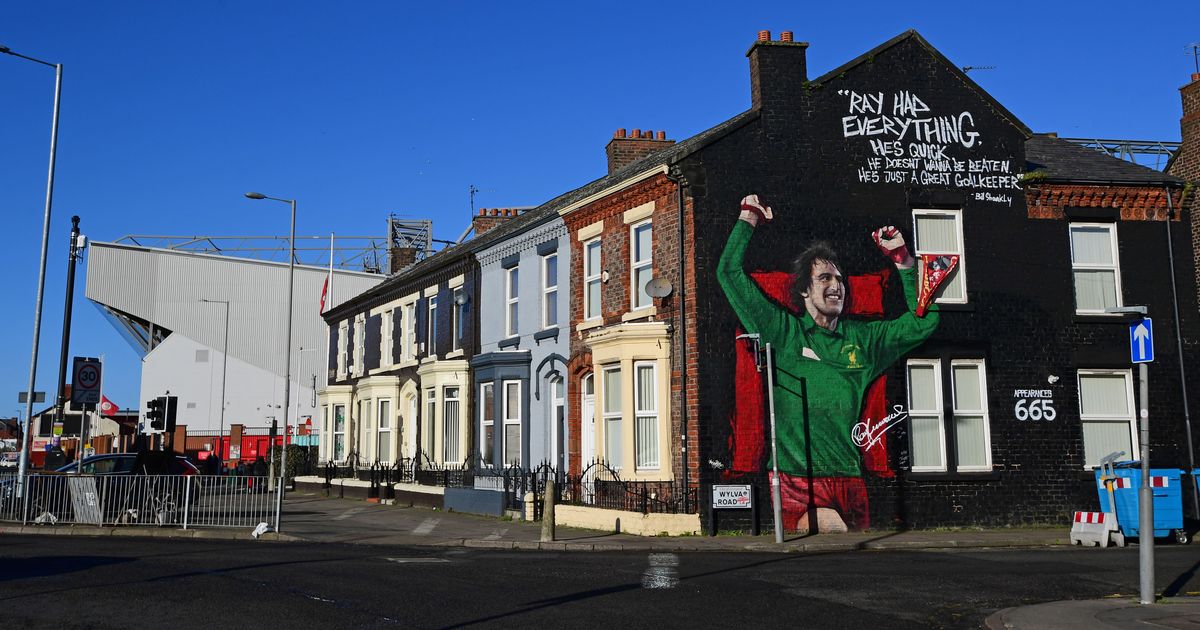
The data from the Land Registry has shown house prices in two areas of Merseyside have increased by 17%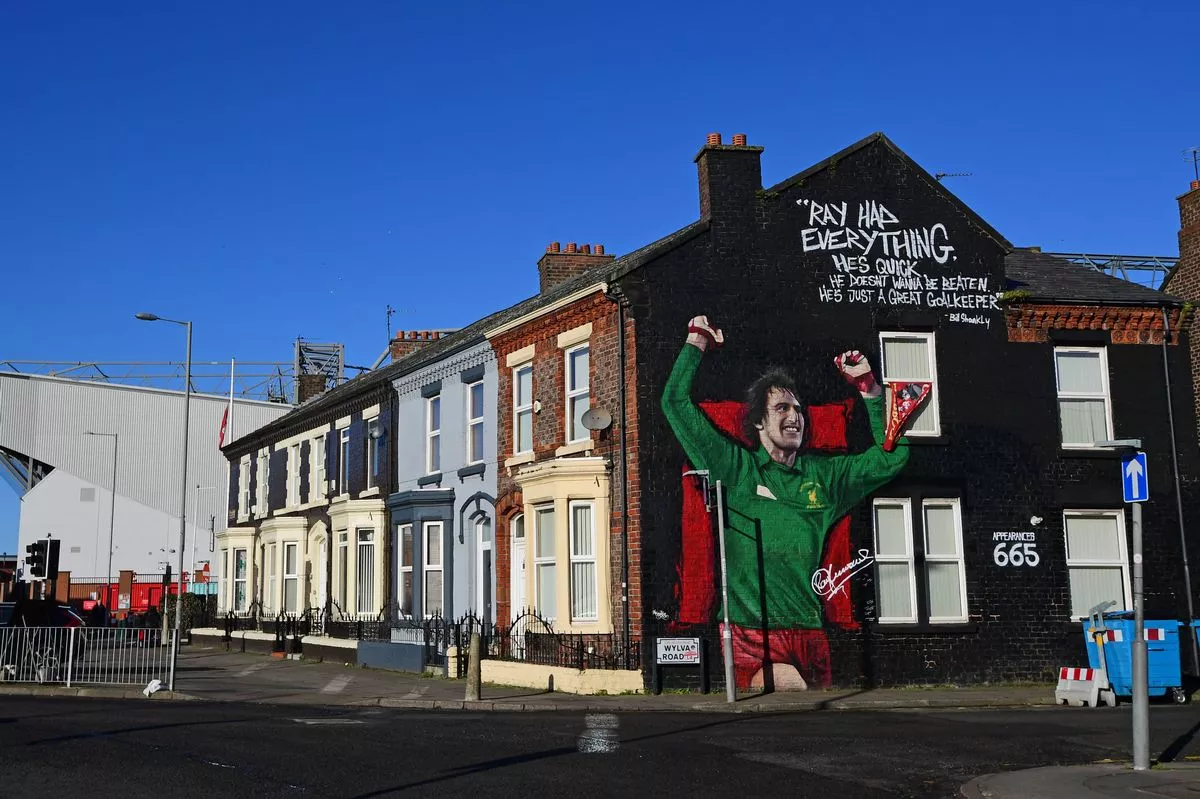 Walton Breck Road, Anfield and Liverpool FC. (Image: Colin Lane)
Two areas of Merseyside have been named among the UK’s top property hotspots – and it might not be where you would have first thought. Both Anfield and Bootle have been named among the top 20 postcode areas for a steep increase in average house prices, according to new data published by the Land Registry.
Anfield’s average house price is listed as £134,313 in 2025 – a huge 17% increase with 174 homes being sold in the L4 postcode. And in the south Sefton postcode of L20, the 166 sales has seen the prices shoot up to just shy of £150,000 – also a 17% rise.
The Land Registry does not give reasons behind why house prices could rise as much as they have.
Both Anfield and Bootle are areas that have experienced significant deprivation with high levels of child poverty and lower life expectancy. More than 12,000 food parcels were distributed around Bootle between April 2024 and March 2025, according to the Trussell Trust.
But both are undergoing significant regeneration projects to improve appearance, safety, accessibility and amenities.
The ECHO previously reported how a bid was lodged by Liverpool City Council to transform a 5km area between the north of the city centre and into Sefton, designed to revitalise the area as part of a new town known as Liverpool North. It was later confirmed during the Labour Party conference that the bid had been denied by government.
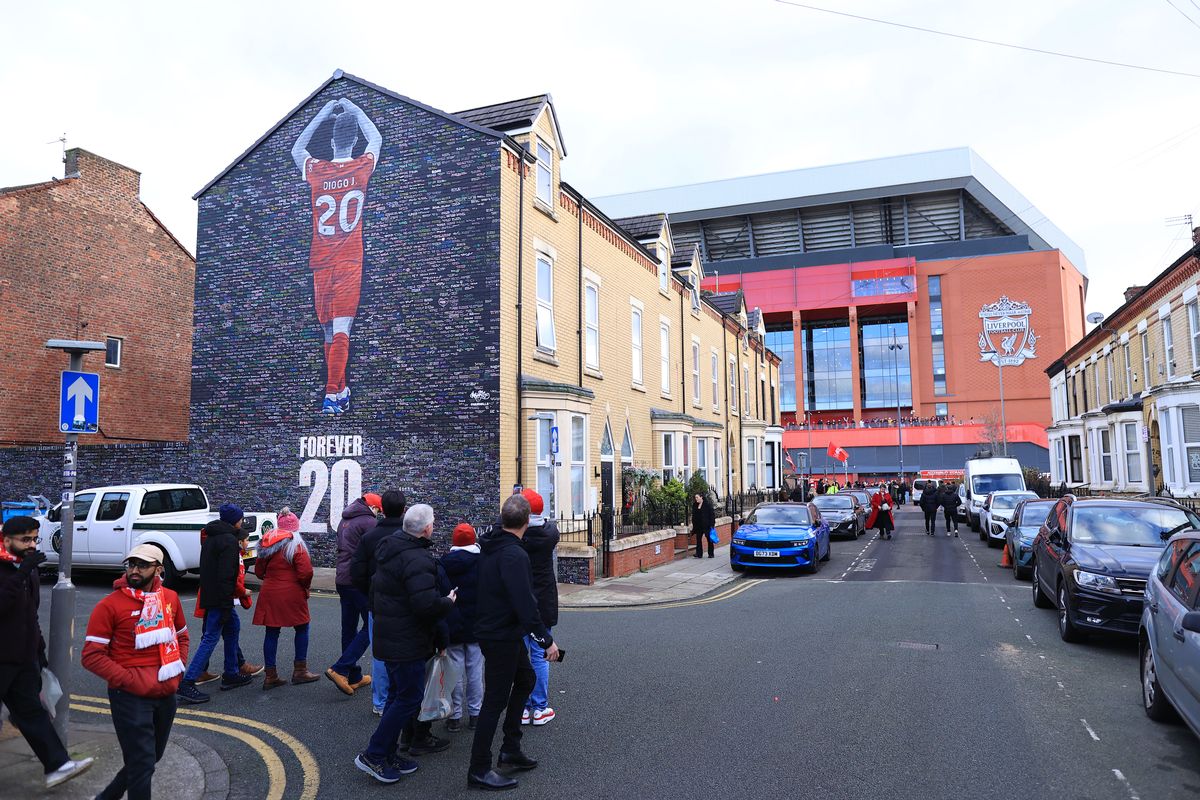 Homes close to Anfield stadium including a mural dedicated to the late LFC star Diogo Jota(Image: Simon Stacpoole/Offside/Offside via Getty Images)
But city council leader Liam Robinson told the ECHO this week that plans were being moved forward with in terms of the regeneration scheme. He said: “The housing need in north Liverpool and across into Bootle is very, very significant and we think this is a huge opportunity that we’re going to crack on and do one way or another.”
The Liverpool North new town project is a community focused programme for improving neighbourhoods and delivering new and upgraded housing in Anfield, Everton, Vauxhall and Kirkdale.
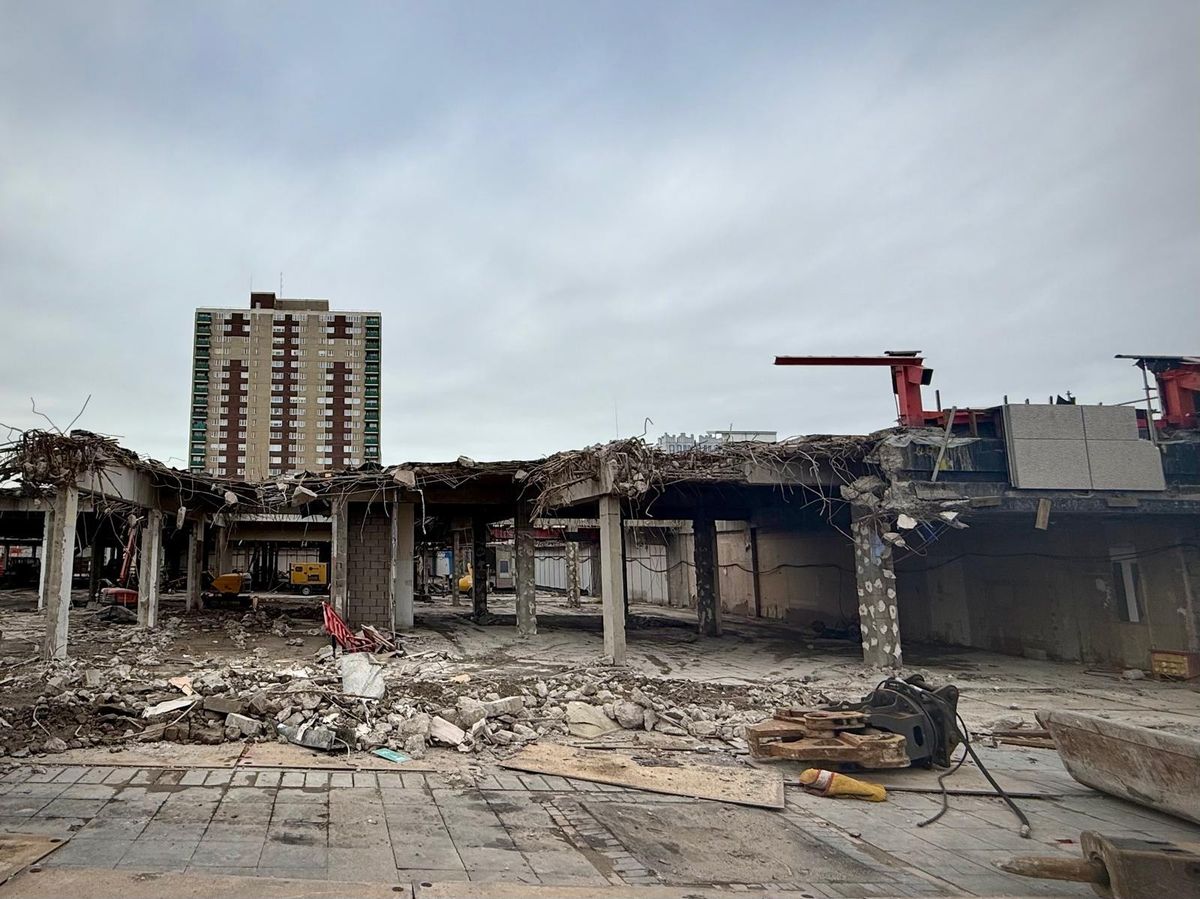 Demolition works underway at Bootle Strand(Image: LDRS)
Bootle town centre is currently being transformed as part of a major Sefton Council to create new public spaces and homes, while parts of the old shopping centre are being demolished. The project is supported by a £20m grant awarded from central government, with 10% of the funding already being used to transform the Salt and Tar music site.
Elsewhere a regeneration project in the immediate area around Liverpool FC’s famous Anfield stadium has promised hundreds of new homes.
The development has already seen work carried out on the stadium itself, while other key features proposed include road developments, upgraded footways and green space.
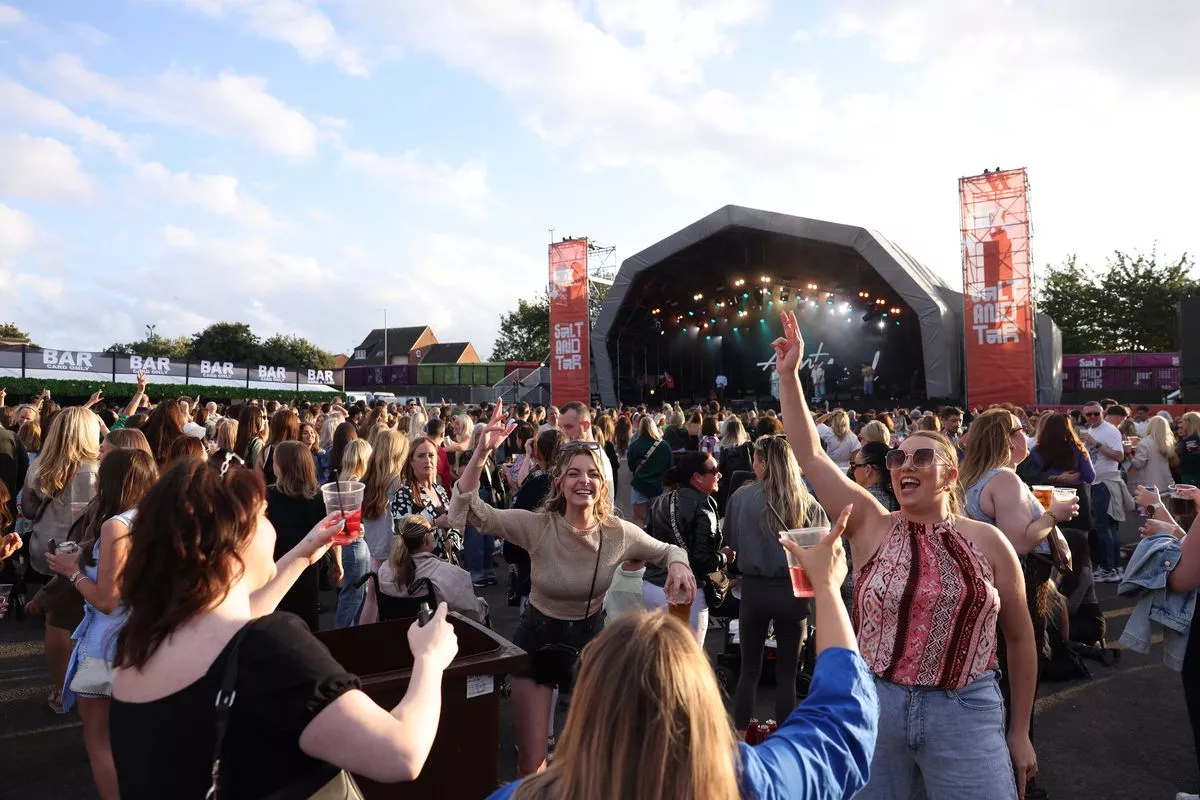 People enjoying the atmosphere at Salt & Tar in Bootle(Image: Liverpool ECHO)
The biggest price rise in the Liverpool City Region was in Hale. According to the data, the price hike saw a 20% increase in value, with an average property going for £206,518 with 82 total sales.
Other big risers in the area included the Belle Vale area, which saw a 14% increase with 251 sales seeing an average house value of over £315,000. Aigburth, Garston and Grassendale also saw a 14% increase with house prices on average valued at £284,926.
The top property hotspot in the whole of the UK was the seaside town of Aldeburgh in Suffolk, where homes sold for an average of nearly £775,000 – an increase of 27% on the previous year.
Belgravia in Central London saw the largest fall in average house prices. The traditional home of the country’s rich, famous, and powerful has seen prices more than halve in the last year. The typical home there sold for £2.7 million in 2025. That’s down by 51% from over £5.5 million in 2024.