Credit: Igor Omilaev, via Unsplash
Save
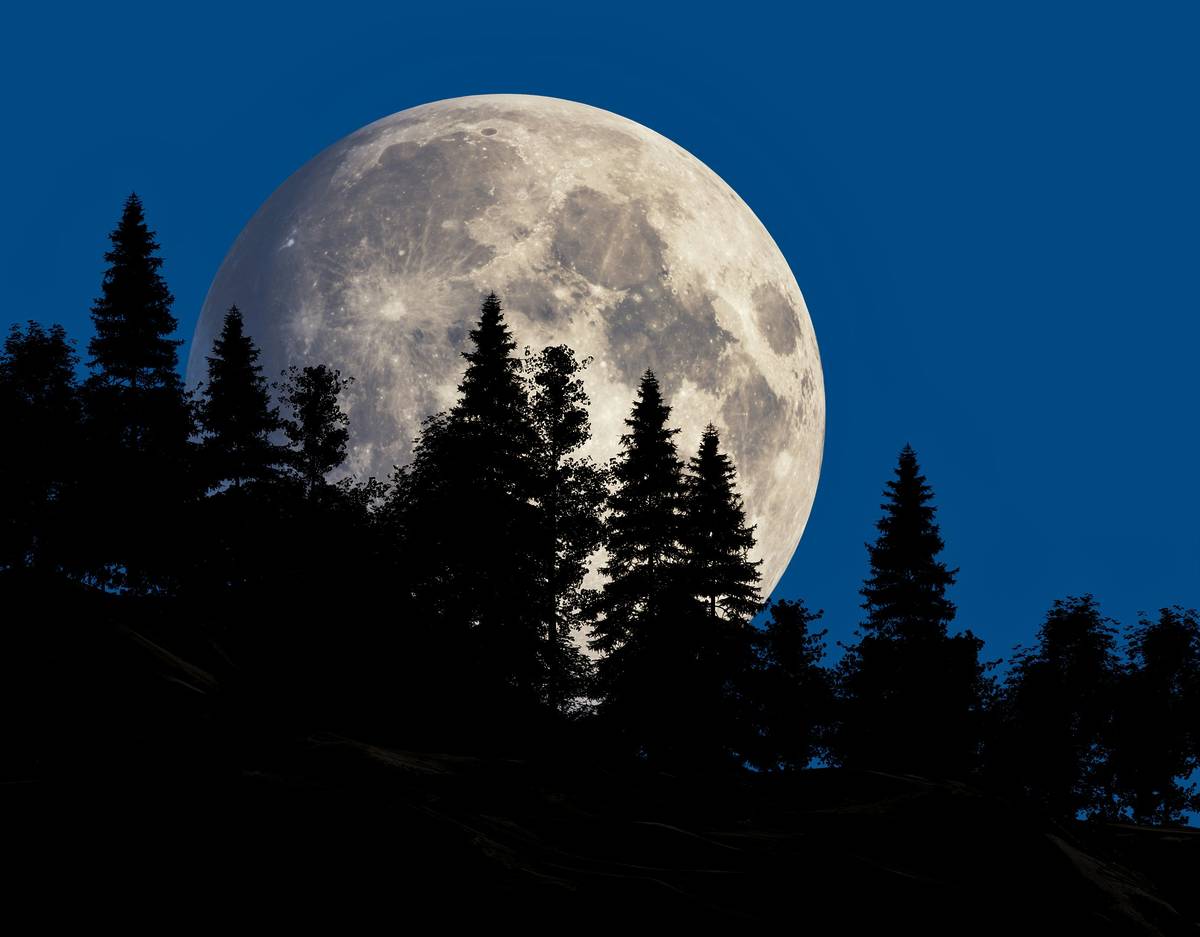
It’s good news for star-gazers and moon-watchers tonight, as an impressive Wolf Moon supermoon will fill the night sky this weekend. It’s the first full moon of 2026, and rounds out a series of 4 supermoons in a row that have shone down from above.
But if you’re not well-versed in the many words and names for the full moon throughout the year, you might be wondering what on Earth I’m saying. A Wolf Moon? A supermoon? So, let’s break it down:
Wolf Moon is simply one of the names given to the full moons throughout the year. Specifically, it refers to the first full moon in January. There is no real relevance to the creatures themselves, and wolves won’t suddenly materialise in the air or on the moon. In fact, each month has a specific name for its full moon. These names include the Harvest Moon, the Strawberry Moon, and the Buck Moon. There’s even a Beaver Moon!
And what about supermoon? Well, at its simplest, ‘supermoon’ is just a term for when the moon is closer to Earth than usual. This makes the moon seem much larger in the sky. Since the moon orbits the Earth in an egg-like elliptical pattern, its distance from Earth can vary during its orbit. If it is within 90% of its shortest distance from Earth, it’s a super moon!
 Credit: Ganapathy Kumar, Unsplash Seeing the Wolf Moon supermoon
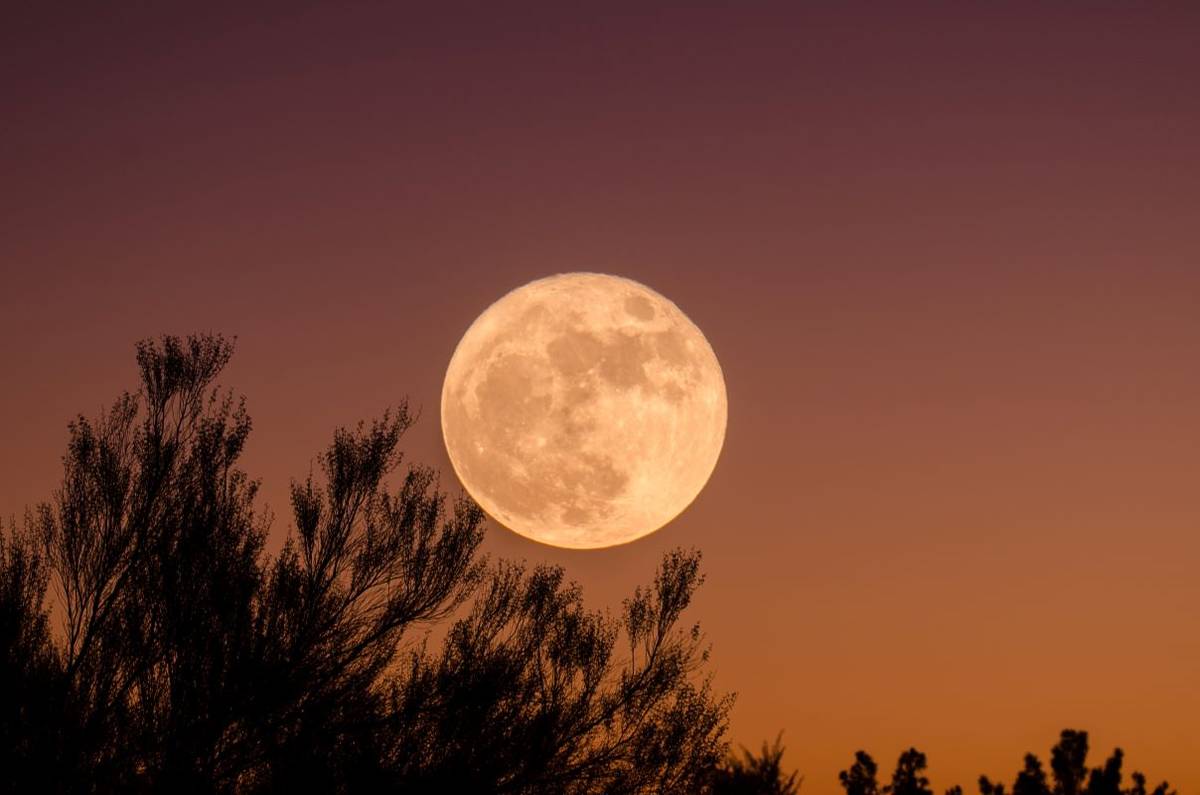
Well, since it’s the moon, you won’t need any special equipment to view the Wolf Moon supermoon. But, as always, it will depend on weather conditions in the sky above where you are. Fortunately for us Londoners, it’s looking like the sky will be pretty clear tonight! A gentle breeze and low chance of rain suggests optimum moon-watching conditions. Just be sure to wrap up warm – temperatures are forecast to drop to as low as -2°C tonight!
But you won’t even need to stay up late to view it. That’s because the Wolf Moon supermoon will be at its fullest at about 10am on January 3. That’s right, you could go to bed early, sleep in, and still spot the lunar sight!
However, it will look its most impressive as it approaches the horizon in the evening. This will occur at 3:47pm on January 3. So as the sun starts to set and the moon starts to rise, tomorrow, be sure to cast your eye towards the moon and the horizon.
Meteor shower
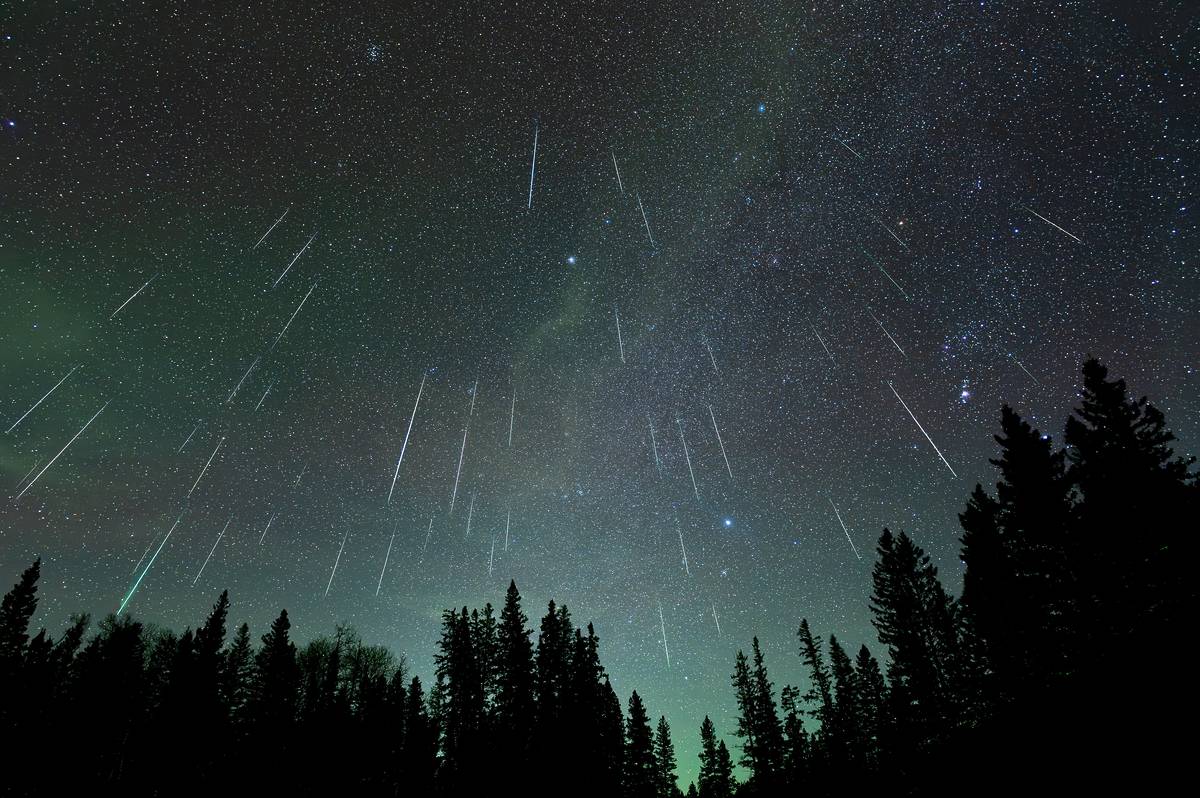
The Wolf Moon supermoon isn’t the only sight you’ll be able to see in the sky this weekend. The Quadrantid meteor shower, which is active until January 12, will reach its peak on January 3 and 4. This means that those who can spot it will see a stunning display in the sky.
It’s set to be one of the strongest meteor showers of 2026 and will feature ‘fireball’ meteors. You’ll be able to spot these thanks to their distinctive blue and yellow-white glow (much like a fireball!).
 Credit: Craig Taylor Photography, via Shutterstock Future supermoons in 2026
This Wolf Moon supermoon is the first of 3 supermoons that will come in 2026. The other supermoons will take place in November and December.
There will also be a blue Moon in May. This is just a fun way of saying that there will be two full moons in a single month, during May. That means there will be 13 full moons in 2026, as opposed to the typical 12. This is also the source of the expression ‘once in a blue Moon’, since it only happens every few years.