Published on
January 4, 2026
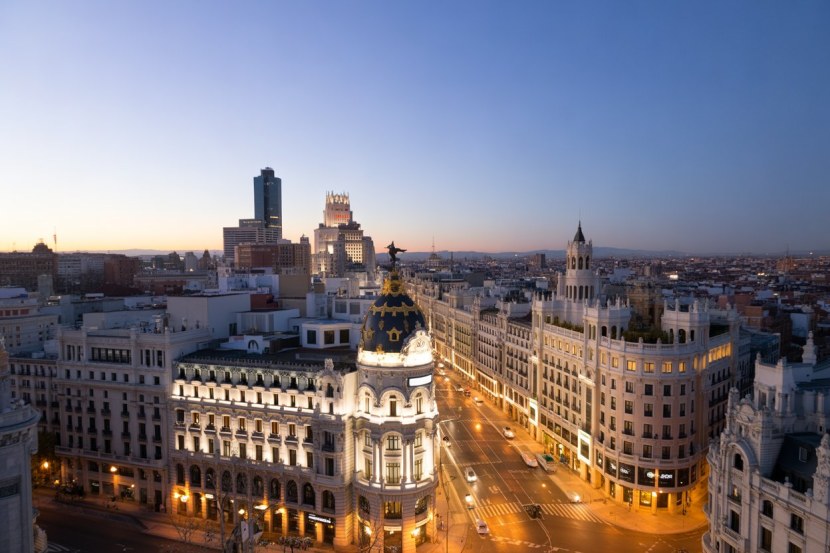
The FITUR, scheduled from January 21 to 25, 2026, is set to take place in IFEMA MADRID, positioning Madrid as a central meeting point for the international tourism sector during the winter travel calendar. The event has been positioned as a leading global platform for tourism professionals involved in both inbound and outbound markets. Across five days, FITUR is expected to bring together exhibitors, trade participants, and the general public within a structured exhibition environment focused on business exchange, sector visibility, and professional interaction.
An International Platform for Tourism Markets and Professionals
FITUR has been positioned as a benchmark event for the tourism sector, functioning as a central business platform for international tourism markets. The fair has been structured to support professional networking, commercial exchange, and sector-wide visibility within a single venue. Access points such as exhibitor catalogues, venue maps, and digital interaction tools have been integrated into the event framework to support visitor navigation and professional engagement.
The fair has been designed to serve as a global hub where tourism industry professionals can connect across multiple segments of travel and tourism. The presence of diverse international markets has been highlighted through country participation, reinforcing FITUR’s role as a meeting place for tourism destinations, service providers, and industry stakeholders operating at a global level.
For the 2026 edition, Mexico has been identified as the partner country, reflecting its role within the international tourism landscape during this edition of the event.
A Setting Designed Around Tourism Exchange and Visitor Movement
The event layout at IFEMA MADRID has been planned to accommodate high visitor volumes while maintaining structured flows across exhibition areas. FITUR 2026 introduces a notable expansion with the incorporation of Hall 12, connected directly to Pavilion 4. This new addition has been designated as a space dedicated to tourism innovation and knowledge, reinforcing the event’s focus on sector development and professional learning.
Hall 12 has been outlined as a central point for conferences, debates, and knowledge-driven activities linked to tourism digitalisation, trends, and sector evolution. By expanding the exhibition footprint, the fair aims to improve circulation across pavilions and centralise content related to technology, skills, and professional exchange within tourism.
Tourism-Focused Spaces Shaping the Visitor Experience
From a travel-oriented perspective, FITUR has been structured to reflect the diversity of modern tourism through a wide range of specialised areas. These spaces collectively present tourism as a multifaceted industry shaped by destinations, experiences, and evolving traveler expectations. The segmentation of the exhibition allows visitors to navigate the fair according to specific tourism interests without introducing fragmentation into the overall experience.
The presence of multiple thematic areas has been positioned as a way to reflect the breadth of the tourism ecosystem while maintaining coherence within the fair’s broader structure. These spaces collectively support the representation of tourism as an interconnected industry that spans leisure, culture, technology, accessibility, and professional development.
Tourism Narratives and the Role of Travelers in Global Events
Within the broader context of FITUR, tourism has been presented as an activity shaped by movement, exchange, and interaction between destinations and travelers. Large-scale tourism gatherings such as FITUR create environments where tourism narratives are formed through shared presence rather than individual experiences. For travelers and tourism professionals alike, such settings reinforce tourism as a collective activity influenced by global participation and cross-border engagement.
The fair’s structure reflects tourism as an industry built around connections, where destinations and services are presented within a shared international framework. This approach places emphasis on tourism as a system driven by visibility, access, and ongoing interaction among global participants.
Travel, Knowledge, and Sector Development at FITUR 2026
The inclusion of a dedicated knowledge-focused pavilion highlights the growing importance of structured learning and information exchange within tourism events. FITUR 2026 integrates areas such as technology, talent, export knowledge, and thematic tourism segments within its exhibition model. This arrangement supports tourism professionals seeking structured environments for sector engagement without shifting focus away from the core travel and tourism identity of the event.
By bringing together exhibitions, conferences, and specialised tourism areas under one roof, FITUR maintains its positioning as a comprehensive tourism trade fair rather than a fragmented series of standalone events.
Specialised Tourism Areas Featured at FITUR 2026
The 2026 edition continues to feature a range of specialised areas that reflect different segments of the tourism industry. These include FITUR Cruises, FITUR LGBT+, FITUR Lingua, FITUR Know How & Export, FITUR Screen, FITUR Sports, FITUR Talent, FITUR TechY, FITUR Woman, and FITUR 4all. Each area has been integrated into the overall fair structure to support sector diversity while maintaining a unified tourism focus.
Additionally, FITURNext 2026 has been presented as a participation initiative focused on tourism and sustainable water management, highlighting responsible resource use and awareness within tourism destinations.
Recognition and Awards Within the Tourism Exhibition Space
FITUR 2026 also incorporates a structured awards program recognising exhibition stands and sector initiatives. The Best Stand Awards have been established to highlight creativity, design, innovation, and visitor experience within the exhibition environment. Additional recognitions are associated with specialised areas, including sustainability, cruises, active tourism, accessibility, and sector-specific contributions.
These awards form part of the broader exhibition framework and contribute to the professional visibility of participants without altering the event’s core focus on tourism exchange.
Image Source: AI
