(Credits: Far Out / A24)
Sat 3 January 2026 23:00, UK
Video was supposed to kill the radio star in 1979, when The Buggles boldly claimed such a prophecy. It happened to be the same year that Talking Heads released Fear Of Music, and just four years before David Byrne turned that phrase on its head and proved that video might just make the radio star.
In those four years that followed The Buggles’ prophetic hit, the New York band followed Fear Of Music up with Remain In Light and Speaking In Tongues, before bundling all of that into a multiplatform masterclass in Stop Making Sense.
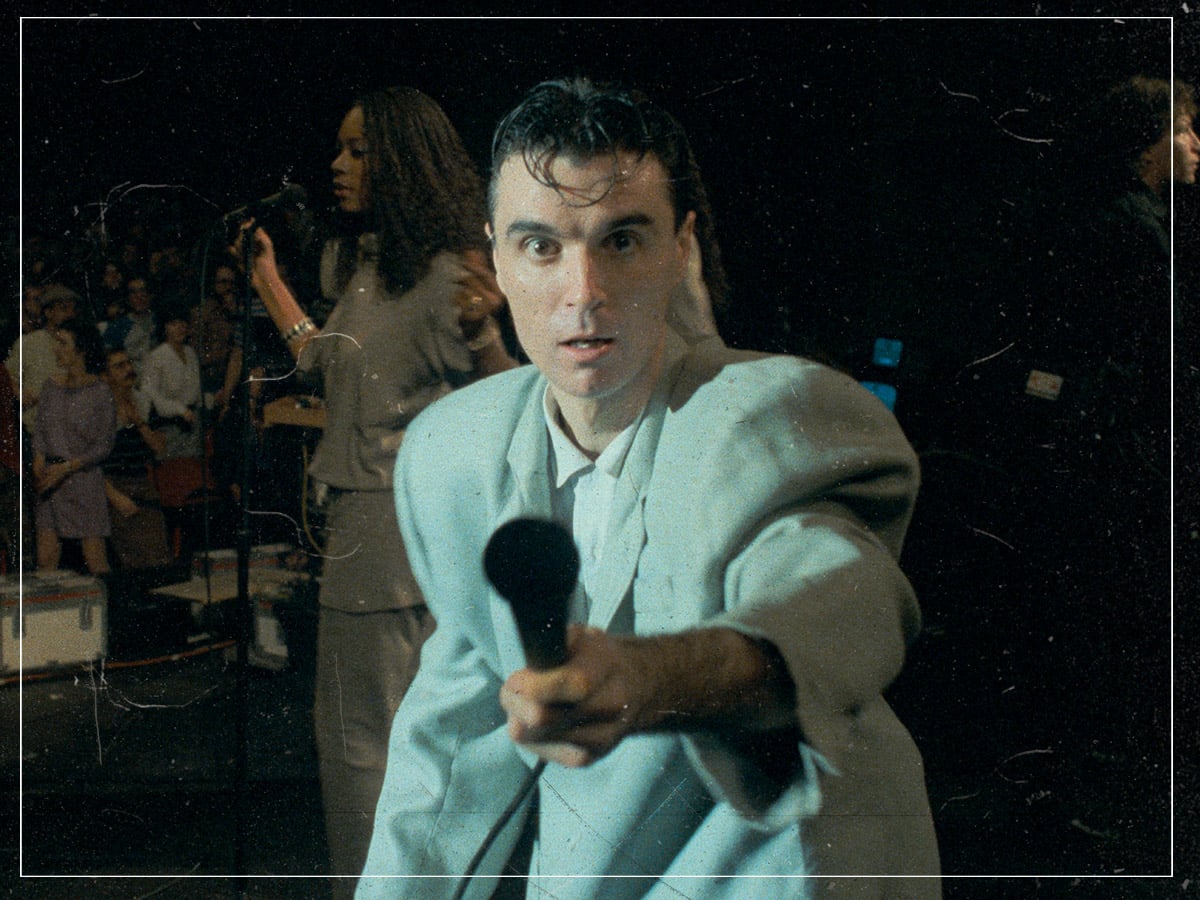
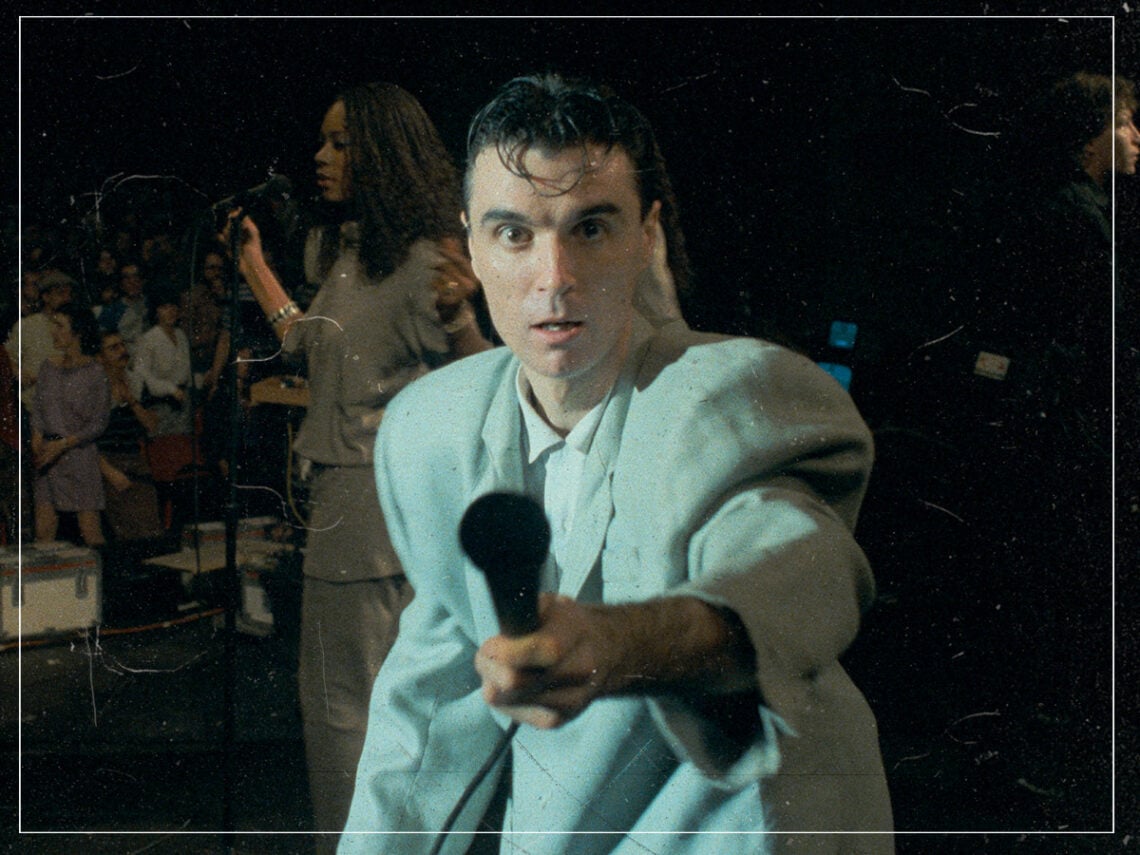
In what many rightly consider the greatest concert film of all time, Byrne proves how music can be a cog in a much wider, ambitious idea. An idea that allows zany dance moves, oversized suits and elaborate character fantasies to meet precise instrumentation and performance, through a set list that makes complete and coherent sense.
But, while Byrne and co proved that they didn’t kill the radio star, the immortal genius of their film meant that they did kill the touring star. This would be the big bang upon from which they would exit the road, depriving future fans of the opportunity to see such brilliance in real life, instead diverting them to the everlasting brilliance of Stop Making Sense.
“It was hard to think about how we could top this,” Byrne explained. “That was the looming question. We didn’t have an immediate answer. Maybe in time we might have figured out a way to not get compared to this incredible thing we did, but immediately afterwards, it was like, oh man. Couldn’t think of anything.”
It was a hesitation compounded further by their following album, Little Creatures, which saw the band scale back down on their ideas and deter any idea of getting back out on the road. Because according to Jerry Harrison, how could they possibly follow up Stop Making Sense with something noticeably smaller?
“The next album was Little Creatures, which was us going back to a small ensemble,” he explained. Adding, “We had a thought of doing residencies in different cities with the four of us and maybe some of the others, but Stop Making Sense had an ongoing life of midnight shows, and the idea of competing with it was more difficult than it would have been for a film that had a run and ended.”
It’s important to remember what Stop Making Sense represented for Byrne. While the performance was irreverent and animated, ultimately it was a deeply personal performance that allowed him to overcome a sense of performance anxiety. After all, the padded-shouldered front man was designed by Byrne “as a character – or me as myself – being anxious and isolated in the beginning, and then gradually finding himself with this little supportive community.”
You can feel that through every song in the film, where Byrne’s emotions tentatively change as he grows in confidence. So with that in mind, maybe Stop Making Sense wasn’t an obnoxious closing number for the band to tease fans with, but a safe bookend that brought closure to an otherwise anxious performer.
Related Topics