New research linked to Apple Watch usage indicates that users are more likely to maintain increased physical activity levels beyond the early weeks of the new year, a period when many people abandon fitness resolutions.
The findings come from an analysis of data collected through the Apple Heart and Movement Study, which examined exercise trends among Apple Watch users over multiple years.
Exercise levels rise in January and continue into spring
According to the analysis, average daily exercise minutes typically decline during November and December before rising sharply in January. Data from around 100,000 participants showed that more than 60% increased their daily exercise by at least 10% in the first two weeks of January compared with their December average.
The study found that this increase was not short-lived. Nearly 80% of participants who raised their activity levels continued at that higher rate through the second half of January. Of those, around 90% maintained elevated exercise levels through February and March.
These trends continued beyond the second Friday of January, often referred to as Quitter’s Day, when many people are thought to abandon New Year fitness goals.
Study draws on long-term Apple Watch users
The analysis focused on participants who consistently wore an Apple Watch and agreed to share Activity data over several years. The broader Apple Heart and Movement Study includes more than 250,000 consenting participants across the United States and is conducted in collaboration with Brigham and Women’s Hospital and the American Heart Association.
Limited-edition Activity award offered in January
As part of its January fitness initiatives, Apple Watch users can earn a limited-edition Ring in the New Year award by closing all three Activity rings for seven consecutive days during the month.
Fitness tracking and third-party app support
Apple Watch allows users to record a wide range of workouts using heart rate and calorie estimation models. The Workout app supports activities such as running, cycling, swimming and hiking, and provides performance metrics based on motion and activity data.
Users can also track longer-term trends through weekly summaries, Activity challenges and shared goals. Additional features include sleep tracking, heart health monitoring, menstrual cycle tracking, medication reminders and environmental noise alerts. Third-party apps such as Strava, Runna, Golfshot and 18Birdies are also available.
Apple Watch models aimed at different users
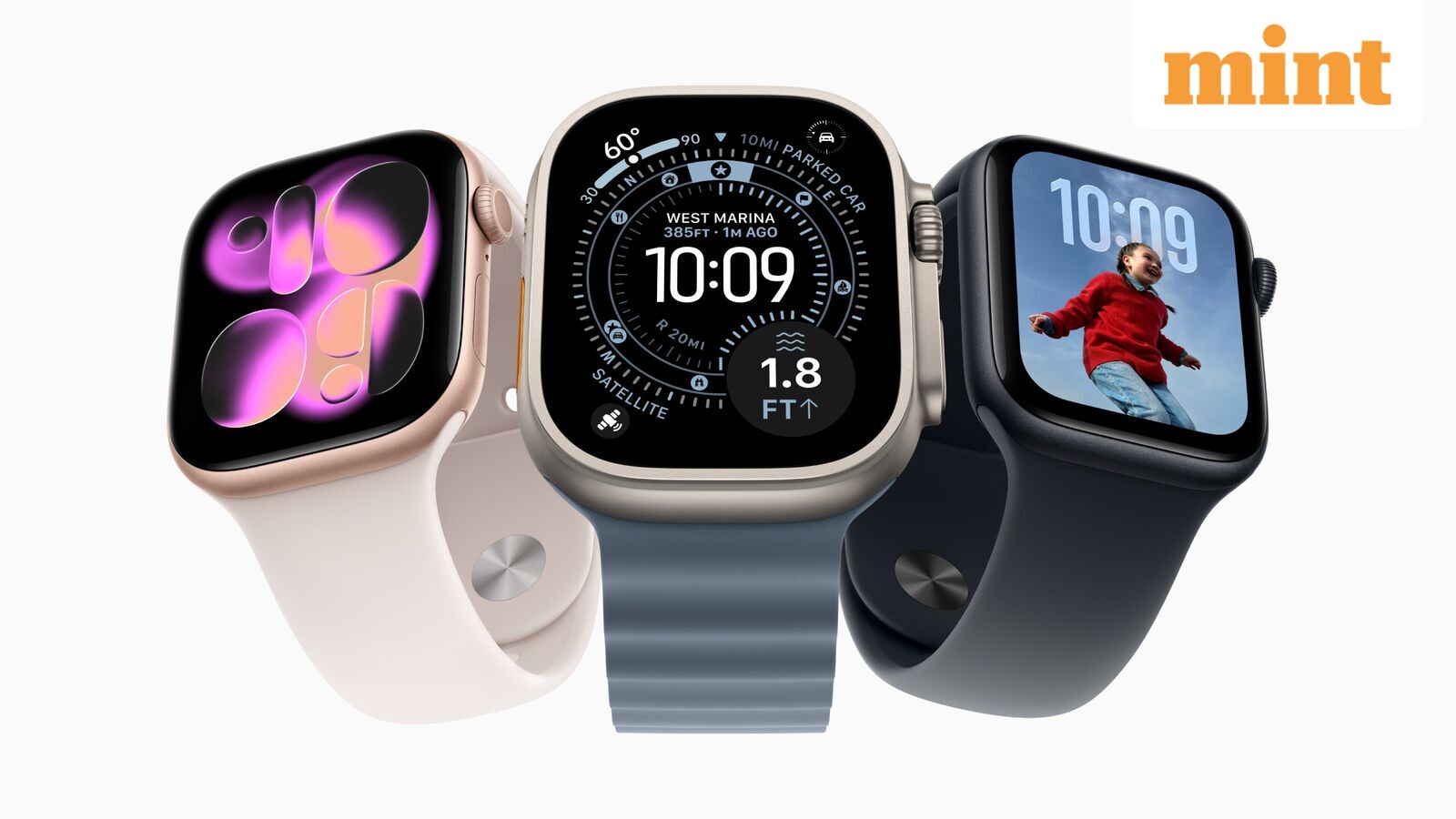
The current Apple Watch range includes multiple models with varying features. Apple Watch Series 11 includes health tools such as ECG and hypertension notifications, along with 5G connectivity and extended battery life. Apple Watch SE 3 offers fitness, safety and connectivity features at a lower price point, while Apple Watch Ultra 3 is positioned for outdoor and endurance activities, with satellite-based emergency support, a larger display and longer battery life.