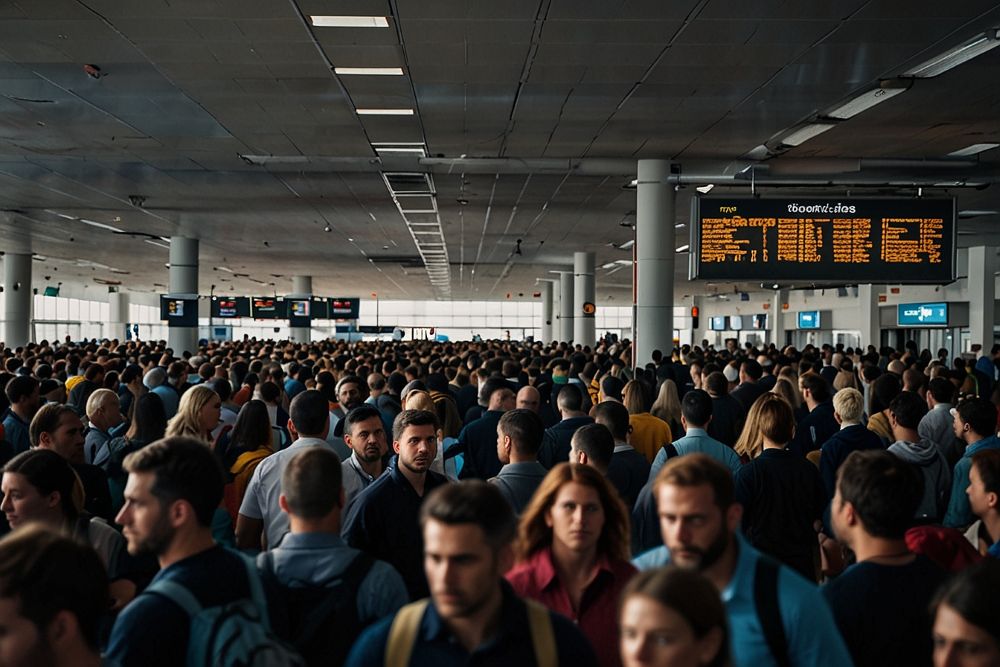
Home » Airline News of Caribbean » Barbados Joins Puerto Rico, Dominican Republic, Curacao and Aruba in a Caribbean Aviation Crisis as FAA’s Restrictive Measures Freeze US Skies for Venezuela! Hundreds of Passengers Stuck in a Limbo across the Island Nations!
Published on
January 4, 2026
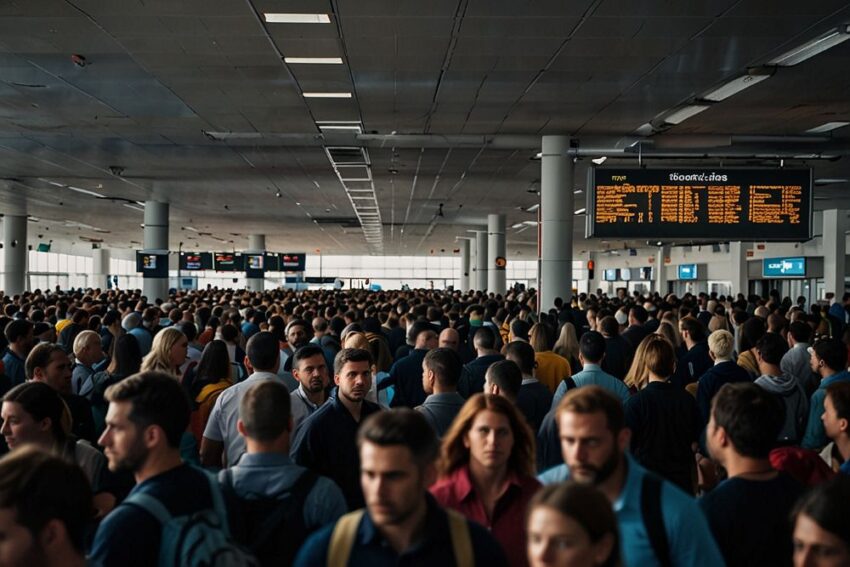
The Caribbean is currently facing an aviation crisis, with Barbados, Puerto Rico, the Dominican Republic, Curacao and Aruba at the heart of the turmoil. The FAA’s restrictive measures have caused major disruptions, particularly affecting flights to and from Venezuela. These restrictions have led to a freeze in US skies, meaning that airlines are being forced to adjust their routes, cancel flights, and reroute passengers to avoid Venezuelan airspace. As a result, hundreds of passengers are now stranded or facing delays across these affected island nations. With airlines scrambling to find solutions and limited available flights, travelers are left in a state of uncertainty, stuck in a limbo. This ongoing crisis has not only disrupted travel plans but also created significant challenges for both passengers and the tourism industry in the region.
The Caribbean region is reeling from massive travel disruptions as the U.S. Federal Aviation Administration (FAA) has imposed strict airspace restrictions on certain countries. These restrictions, mainly due to escalating military activity in nearby regions, have led to flight cancellations, delays, and the rerouting of airlines across the Caribbean. Airlines like Delta Air Lines, Sun Country, JetBlue, American Airlines, and others have been forced to halt flights or adjust their schedules, leaving travelers frustrated and stranded. From Venezuela to Puerto Rico, and now impacting even more Caribbean destinations, the ripple effects are causing significant travel headaches.
In this article, we explore the FAA’s airspace restrictions, their causes, and the impact on Caribbean aviation. From Venezuela’s flight ban to disruptions in Dominican Republic, Barbados, Aruba, and other Caribbean countries, we break down the situation and examine what travelers can expect when flying to the region in the coming months.
Why FAA Restrictions Are Affecting Caribbean Air Travel
The FAA, responsible for regulating U.S. air traffic safety, has issued temporary airspace restrictions in response to increased military activity and security concerns in the Caribbean and surrounding regions. These restrictions primarily affect flights over countries like Venezuela, Puerto Rico, and others due to ongoing tensions and military operations that pose significant risks to civil aviation. The FAA issues Notices to Air Missions (NOTAMs) to advise airlines and pilots to avoid certain airspace regions, especially if there are unpredictable military operations.
As a result, airlines have been forced to cancel flights, reroute their services, and adjust schedules to avoid flying through restricted airspace. The situation has caused widespread disruptions to Caribbean travel, especially affecting flights bound for destinations in the northern Caribbean, including Puerto Rico, Dominican Republic, and even further into the southern islands of the region.
Venezuela: A Key Source of Flight Restrictions
The Venezuelan government’s military actions have led the FAA to issue a full restriction on air travel over Venezuelan airspace. The SVZM FIR (Venezuelan Flight Information Region), which covers the skies over Venezuela, is considered an unsafe region for commercial aviation. Heightened military activity, the presence of unmanned aircraft systems (UAS), and other safety concerns have caused the FAA to strongly advise against flying through this area. The U.S. State Department has also issued a Level 4 “Do Not Travel” advisory for Venezuela due to the high risks of violence, civil unrest, and kidnapping. As a result, U.S. carriers and many international airlines have had to cancel flights or reroute their services to avoid Venezuelan airspace.
These disruptions have had a profound impact on flights to Caracas and other Venezuelan destinations, causing frustration for both locals and international visitors.
Puerto Rico: Impacted by Increased Airspace Restrictions
Although Puerto Rico is not under a full flight ban, the FAA’s restrictions on nearby Venezuelan airspace have caused major disruptions for flights traveling to the Caribbean island. San Juan’s (SJU) airspace has been affected as commercial airlines reroute their flights to avoid the restricted areas. JetBlue, American Airlines, Delta, and other major carriers have experienced cancellations and delays, affecting thousands of passengers.
Airlines are adjusting their routes to comply with the FAA’s advisories, and travelers flying to or from Puerto Rico can expect long delays and potential changes in flight schedules. While San Juan remains an active and well-connected destination in the Caribbean, these disruptions have made it a challenging time for tourists and those with urgent travel plans.
Dominican Republic: Flights and Connectivity Affected
The Dominican Republic, a top Caribbean travel hub, has also felt the effects of the FAA’s restrictions. Flights heading to Punta Cana, Santo Domingo, and Santiago have been impacted as airlines work around the FAA’s advisories related to Venezuelan airspace. As one of the most popular tourist destinations in the Caribbean, the Dominican Republic relies heavily on international flights to fuel its thriving tourism industry. However, due to the rerouted flight patterns caused by the restrictions, passengers have faced delays and limited seat availability.
The Dominican Republic’s tourism sector, which sees millions of tourists annually from the United States and Europe, is likely to face a short-term downturn due to these disruptions. Travelers intending to visit the country in the near future should be prepared for potential flight cancellations, and it is advisable to check with airlines regularly for updates.
Barbados: Cancellations and Route Adjustments
As Barbados is part of the broader Caribbean flight network, the FAA’s restrictions have had a knock-on effect on flights to the island. While Barbados’ airspace is not under full restriction, flights from the United States to Bridgetown have been impacted due to route changes. The island is well-connected to international flights, but U.S. carriers flying through Venezuelan airspace have faced complications in ensuring safe routes. As a result, travelers are experiencing delays and fewer available seats on flights to Barbados.
Given that Barbados is a key tourism destination, particularly for American tourists, the current disruptions are posing challenges to both the tourism industry and local businesses reliant on tourism. Barbados is likely to see a drop in tourist arrivals until the airspace situation stabilizes.
Aruba and Curacao: Affected by Re-Routed Flights
Caribbean islands like Aruba and Curacao have seen cancellations and delays as airlines adjust their routes to avoid restricted airspace. These islands, popular for their pristine beaches and resorts, rely on air connectivity to sustain their tourism economies. However, as airlines bypass areas impacted by the FAA’s restrictions, travelers flying to these islands may face additional layovers or longer travel times.
Other Affected Islands: St. Lucia, St. Thomas, and More
Other Caribbean nations such as St. Lucia, St. Thomas (U.S. Virgin Islands), and Grenada have experienced disruptions as part of the broader airspace restrictions affecting the region. While the FAA has not issued full airspace bans over these islands, flight schedules have been altered as airlines avoid risky regions. This has led to reduced capacity on popular routes and flight delays throughout the region.
For St. Lucia, known for its lush landscapes and luxury resorts, the disruption to U.S. air connectivity could affect the high volume of American travelers who frequent the island during the peak season. Similarly, St. Thomas and the U.S. Virgin Islands may experience a downturn in tourism traffic as delays and re-routed flights cause passengers to seek alternatives.
What Does This Mean for Caribbean Tourism?
The Caribbean tourism industry is feeling the pressure. With airlines canceling flights and re-routing services, Caribbean nations dependent on tourism revenue are facing a challenging situation. Countries like Venezuela, Puerto Rico, and the Dominican Republic are bearing the brunt of these restrictions, while other islands like Barbados, St. Lucia, and Aruba are dealing with secondary impacts.
For Caribbean tourism, air connectivity is vital. The region relies on international flights to fuel its economies, and when disruptions like this occur, it creates a domino effect that impacts the entire industry. While the disruptions are likely to be temporary, there is no clear end in sight until the security situation in Venezuela and nearby regions stabilizes.
How Long Will These Restrictions Last?
The FAA restrictions are expected to remain in place until February 2026, but this timeline is subject to change based on developments in Venezuela and the surrounding region. If tensions escalate or if new safety concerns arise, these restrictions could be extended, further affecting air travel to the Caribbean. Passengers with travel plans should monitor FAA updates, airline notices, and government advisories closely to stay informed about any changes.
What Can Travelers Do?
Travelers whose flights have been canceled or delayed due to these FAA restrictions should check with their airlines for alternative arrangements. Many airlines are offering refunds or rebooking options, while some are providing free cancellations for affected passengers. It’s also worth considering alternative routes through neighboring islands or even different regions to minimize the disruption caused by the current airspace restrictions.
Conclusion: Stay Informed and Be Flexible
As the FAA’s restrictions continue to impact air travel in the Caribbean, travelers must stay informed about the latest updates from both the FAA and their airlines. While the restrictions are necessary for safety, they also underscore the fragile nature of global air travel and the economic dependence of Caribbean countries on tourism.
Travelers should be flexible with their plans, stay updated on changing routes, and understand that the disruptions will likely ease over time. For now, it’s a waiting game — but by staying informed, you can navigate these challenges and continue to enjoy the beautiful Caribbean islands when the skies clear once again.
Source: FAA
