Published on
January 4, 2026
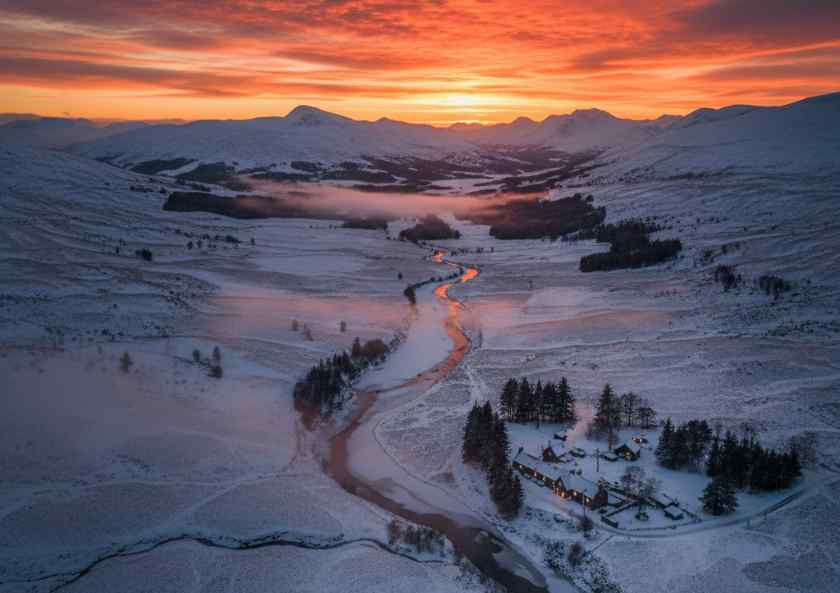
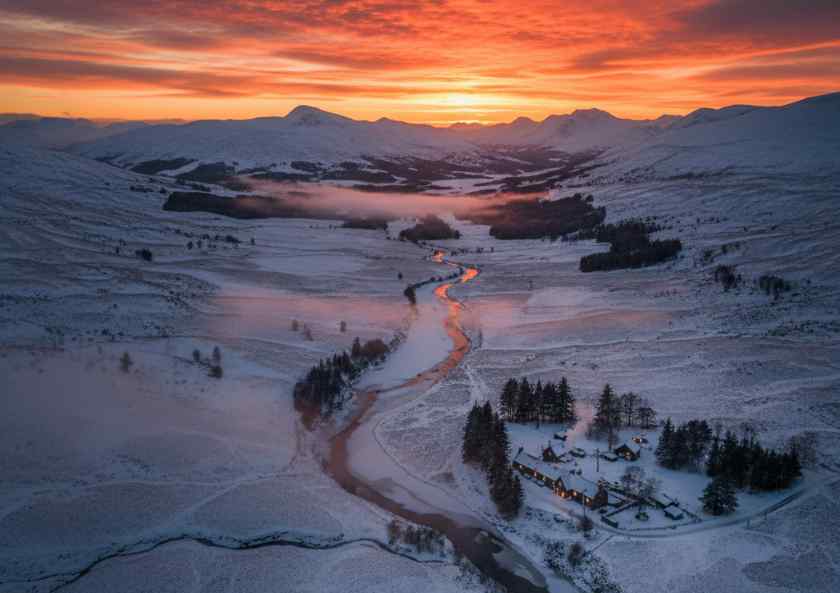
Scotland is facing widespread travel disruptions due to heavy snow and icy conditions, as snow and ice warnings have been issued across much of the country. Tourists planning to visit Edinburgh, Glasgow, the Scottish Highlands, and other popular destinations are advised to take extra precautions, as freezing temperatures and dangerous driving conditions may affect both local and international visitors.
The weather-related disruptions are expected to cause delays in transportation services, including flights, trains, and buses, particularly in the northern and central parts of Scotland. This comes at a critical time for the country’s tourism sector, which has been recovering from the impacts of the pandemic. While Scotland’s winter tourism has continued to attract visitors for its scenic beauty, historical landmarks, and outdoor activities, this severe weather presents new challenges for both tourists and locals.
Impact on Scotland’s Tourism Industry
Tourism is an essential sector for the Scottish economy, contributing significantly to the nation’s revenue, particularly in areas like Edinburgh, Inverness, and the Isle of Skye. Popular winter attractions such as the Edinburgh Christmas Markets, the Scottish Highlands, and Loch Ness have seen a rise in interest during the colder months, as travelers seek winter activities like hiking, sightseeing, and whisky tours. However, the current weather conditions are posing a challenge for travelers hoping to visit these destinations.
Visitors planning trips to historical landmarks like Edinburgh Castle or the Stirling Castle are being advised to check weather forecasts and prepare for potential delays. The snow and ice warnings extend to road closures, especially in mountainous areas such as the Cairngorms and Glencoe, where black ice and snow drifts may make travel treacherous. Travel in the Scottish Highlands has already been impacted by the winter weather, making it difficult for tourists to navigate the more rural and scenic areas.
Disruptions to Public Transport
As snow and ice warnings are in place across Scotland, public transport systems have been impacted, with rail and bus services experiencing delays, cancellations, or rerouted routes. ScotRail has reported delays and service cancellations on several routes, particularly in the northern and highland regions, where snow accumulation has made it difficult to maintain regular schedules. Visitors planning to take the train to Inverness, Aberdeen, or Fort William should check service updates in advance, as some lines may be temporarily suspended due to the weather conditions.
Air travel has also been affected, particularly to and from airports in Edinburgh, Glasgow, and Aberdeen, where flights have been delayed or canceled due to poor visibility and snow accumulation on runways. Airport authorities are urging passengers to monitor flight statuses closely and allow extra time for airport check-ins and security checks.
For tourists arriving at airports or traveling by bus or train, disruptions to their travel plans may lead to extended travel times and potential changes in their itineraries. It’s essential for visitors to stay informed about the latest weather updates and travel advisories to minimize the impact of these disruptions on their holiday experience.
Safety Precautions for Tourists in Scotland
Tourists traveling to Scotland during this period should take several safety precautions to navigate the adverse weather conditions. Here are some tips for visiting Scotland safely during the snow and ice warnings:
- Check Travel Conditions Regularly: Travelers need to stay informed about weather conditions and travel disruptions. Checking weather updates, transportation schedules, and road conditions will help avoid potential delays and ensure a safe journey.
- Plan Extra Time for Travel: Given the weather disruptions, travelers should allow extra time for transport connections and have a flexible schedule. Whether arriving by train, bus, or plane, delays are expected, and tourists should prepare accordingly.
- Dress Warmly and Pack for Winter Conditions: Scotland’s weather in winter can be unpredictable, and tourists are advised to bring winter clothing, including warm layers, waterproof jackets, hats, and sturdy boots for walking on icy or snow-covered surfaces.
- Follow Local Advice and Weather Alerts: Tourists need to follow local advice regarding the weather. In some cases, certain areas may be temporarily closed to visitors due to safety concerns. Always check with local authorities, attractions, or hotel staff for updated information.
- Explore Indoor Attractions: If the weather conditions worsen, tourists can turn to indoor activities such as visiting museums, art galleries, and historic sites in Edinburgh, Glasgow, and Aberdeen, which remain accessible despite the snow.
Preparing for Future Travel to Scotland
As the winter weather continues to impact travel in Scotland, the tourism sector is preparing for a busy spring and summer season. Scotland’s tourism authorities are focused on improving weather resilience for the country’s travel infrastructure, ensuring that visitors can safely explore Scotland’s natural beauty, historical sites, and cultural landmarks year-round.
Looking ahead, outdoor tourism in Scotland remains a key attraction, with activities such as hiking, skiing, whisky tasting, and historic tours being popular options for visitors. The recovery from winter disruptions will be important for the tourism industry, as businesses across Scotland look to attract visitors for upcoming events like Edinburgh Festivals, highland games, and spring sightseeing.
Conclusion: Weathering the Storm in Scotland
While the current snow and ice warnings have caused significant travel disruptions for visitors to Scotland, the country’s tourism sector remains resilient. Tourists are advised to stay up-to-date on weather forecasts and transportation schedules to navigate any challenges during their visit. Despite the winter weather, Scotland’s cultural landmarks, natural landscapes, and warm hospitality continue to make it an attractive destination for travelers from around the world. By taking proper precautions and planning ahead, visitors can still enjoy all that Scotland has to offer while keeping safe in challenging weather conditions.
