Home » United Kingdom Travel News » United Kingdom Battles Unprecedented Winter Storms as Snow and Ice Cause Widespread Travel Disruptions and Threaten Remote Communities
Published on
January 4, 2026
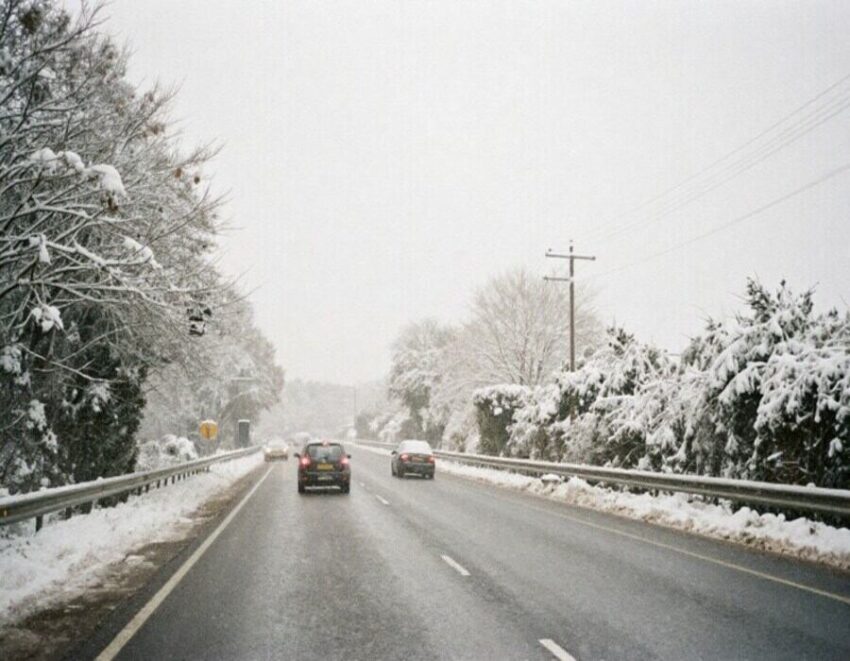
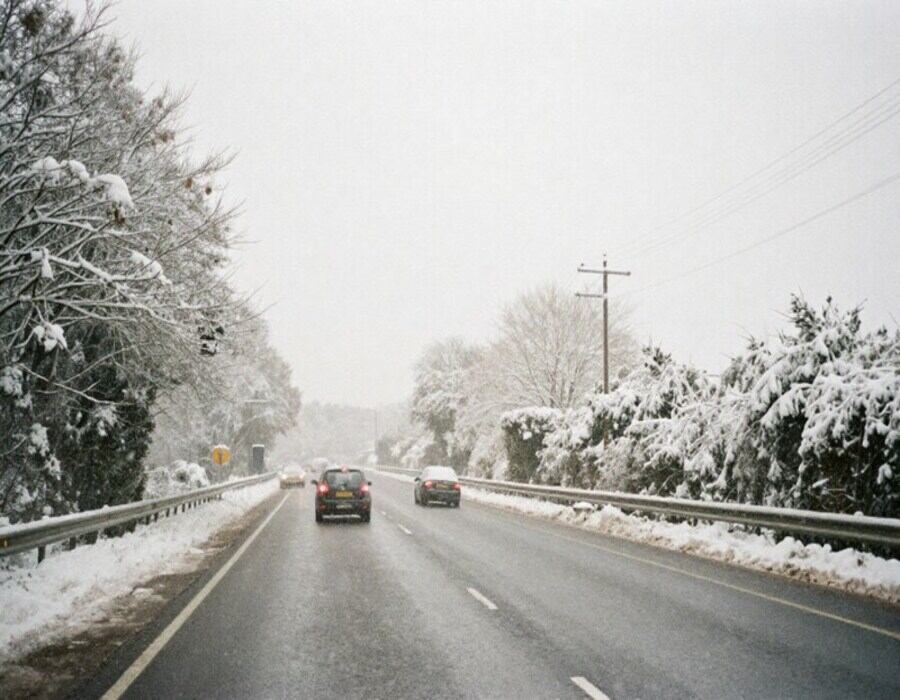
The United Kingdom is grappling with some of the most severe winter conditions in recent memory, as heavy snow and ice storms disrupt travel networks and threaten remote communities across the country. With travel chaos affecting both roads and public transport, the Met Office has issued widespread weather warnings, highlighting the dangerous conditions particularly in northern Scotland. Snow accumulations of up to 20cm in certain areas, combined with sub-zero temperatures, have led to road closures, train cancellations, and power outages, leaving many rural regions isolated. The continued snow showers are expected to cause more delays into Monday, with authorities urging only essential travel as they work to manage the mounting disruption.
Yellow weather warnings for snow and ice have been issued for several regions of the UK, with northern Scotland bearing the brunt of the ongoing winter weather. These hazardous conditions are set to disrupt travel, both on the roads and across public transportation networks, throughout the weekend and into Monday.
The Met Office has highlighted that more snow showers are expected to cause additional delays. The severity of these conditions has prompted an ongoing yellow weather warning, which remains in effect until midday on Monday. Though amber warnings, initially issued for northern Scotland, were lifted on Saturday afternoon, the potential for further snow and ice continues to pose a significant risk.
The wintry weather is not confined to Scotland alone. Wales, Greater Manchester, and the South West of England are also experiencing snow and ice alerts. Additionally, the eastern coast of England, including areas around the North Sea, is facing yellow warnings for ice. These weather conditions are contributing to widespread disruptions, particularly in travel.
The most severe impact has been seen in northern Scotland, where snow and ice have caused extensive disruptions. On Saturday, ScotRail reported multiple train cancellations due to adverse weather conditions. The train service provider confirmed that delays and cancellations continued into the afternoon, with no clear indication of when services would return to normal. Rail services north of Dundee have been particularly affected, with delays expected to persist throughout the weekend.
Further compounding the travel issues in northern Scotland, snow drifts have closed several roads. One of the most severely affected routes is the A90, which connects Brechin and Stonehaven. Road closures due to snow drifts have led to severe delays, with local authorities urging motorists to avoid non-essential travel. Particularly in Orkney, police have issued warnings, advising residents to refrain from traveling unless absolutely necessary. The A90, along with other roads around Badenoch and Strathspey in the Highlands, has been heavily impacted by the inclement weather.
In addition to the obvious travel delays, the Met Office has raised concerns that the heavy snow showers could cause rural communities to become isolated. The snow accumulations, which have reached approximately 20cm in certain areas of northern Scotland, are expected to make it difficult for vehicles to navigate. This could further isolate some regions and leave residents struggling with limited access to essential services.
In some cases, the freezing temperatures are also leading to power outages, as the icy conditions put added strain on infrastructure. In fact, areas like Loch Ness have already recorded sub-zero temperatures, dipping as low as -6°C on Friday night. The frigid conditions, caused by Arctic air sweeping across much of the UK, are not only contributing to dangerous travel conditions but also impacting daily life, as many services are affected by the freezing temperatures.
The heavy snow showers and icy roads in Scotland are creating dangerous conditions for both travelers and residents. For example, the snow is not just affecting vehicles, but also public transport systems. Despite efforts to keep roads and railways clear, the accumulations of snow and ice have made it increasingly difficult to maintain smooth operations, as evidenced by the ongoing disruptions in local and long-distance rail services.
The worst-hit areas are in the Highlands, where multiple stretches of road have been completely closed due to the snow drifts. Even in cities like Inverness, people are being urged to avoid unnecessary travel. The response from authorities has been swift, with emergency services on high alert in case of accidents or emergencies caused by the extreme weather. Local police forces have advised that drivers use extra caution and avoid all but essential travel.
Network Rail Scotland has also warned that travel disruptions could extend throughout the weekend. The public transport network, which typically experiences a sharp uptick in passengers during the winter months, is facing numerous challenges. On Saturday, LNER (London North Eastern Railway) reported delays to its services, and passengers were advised to check with the train service for up-to-date information. While LNER trains were still operating on Saturday, major delays were expected for several routes, particularly those running north of Dundee.
The ongoing snow and ice are also causing problems for the country’s road infrastructure. Despite efforts to clear roads, snow drifts and ice patches remain a significant risk to road users, particularly in rural areas where resources are stretched. Local authorities have requested that travelers avoid using affected routes unless absolutely necessary.
The cold temperatures have also prompted several safety concerns, as freezing rain and icy surfaces can cause significant hazards for pedestrians. The Met Office has urged those in affected regions to take precautions, particularly when walking on icy sidewalks or roads.
Looking ahead, the weather is expected to remain cold throughout the weekend, with additional snow showers forecast for Sunday. Given the severity of these conditions, travelers and residents are encouraged to stay updated on the weather and avoid any unnecessary travel during the ongoing yellow warning period.
The United Kingdom is facing severe winter storms with heavy snow and ice causing widespread travel disruptions and isolating remote communities. Warnings remain in place as snow accumulations, freezing temperatures, and power outages continue to impact daily life and transport.
In summary, the yellow weather warnings for snow and ice remain in effect across several parts of the UK, with northern Scotland bearing the worst of the wintry conditions. Travel disruptions continue to affect both road and rail networks, with severe delays and cancellations expected to persist throughout the weekend. Authorities are urging only essential travel in affected areas, and residents are advised to take extra precautions in the face of dangerous conditions.
