(Credits: Far Out / Alejandro Páez)
Sun 4 January 2026 4:00, UK
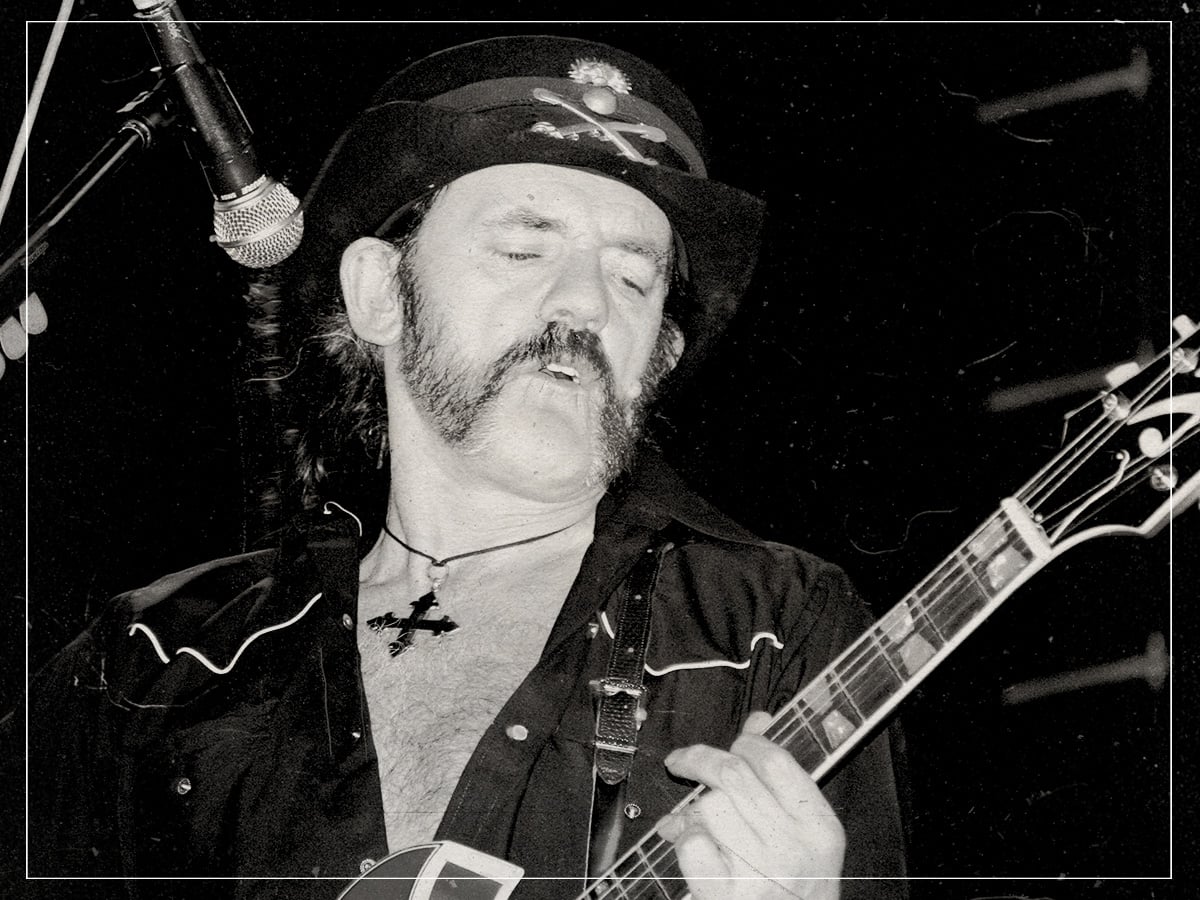
When you’re a fan of a band with someone like Lemmy at the helm, it’s hard to fully appreciate it as a group offering.
This isn’t a slight on other members of Motörhead; rather, it is a compliment of the highest regard to Lemmy. When you watch him, not only do you have an exceptional musician, songwriter, and one of the most unique vocalists in rock, but you also have someone charismatic and likeable. They take centre stage and become just as famous for being personalities as they are for being musicians.
When Lemmy passed away, it was a loss that could be felt throughout the world of music, not just for fans of the niche rock sound that he embodied. He wasn’t just a representation of one style of music, but represented an undeniable attitude that exists only within certain musicians, one of relentless commitment to your craft, which truly only comes along in very special occasions.
He was such an inspiration to Metallica’s James Hetfield that he decided to get a tattoo using some of Lemmy’s cremation ashes. The tattoo was done on his middle finger, both as a joke and also an homage to the rock legend. “A salute to my friend and inspiration Mr Lemmy Kilmister,” said Hetfield, “Without him, there would be NO Metallica… So now, he is still able to fly the bird at the world.”
Drummer Mikkey Dee, who played in Motörhead for some time, was in awe at Lemmy’s commitment to their band and the art of performance, particularly towards the end of the frontman’s life. On their final tour, it was clear that Lemmy wasn’t well, but rather than indefinitely postpone shows and disappoint fans, he pushed through.
“Instead of arguing with Lemmy, trying to get him off the road, let’s just help him instead,” said Dee, recalling the tricky decision that the band made. “I remember shows where we had to adjust a lot of stuff, but I think we, and he, did fantastic. Our last show was December 7th in Berlin, and then a couple of weeks later, the man is gone. Trust me, me and Phil put in 150%, Lemmy must have put in 300% to get through the sets.”
The respect that Dee had for Lemmy went both ways. As soon as Dee joined Motörhead, it was clear to Lemmy just how special a drummer he was. There were some teething issues at the start when the band wrote the album Bastards, as Dee was a much faster player than Lemmy was used to, but it worked out for the best.
“It’s really fast and it’s got stops in the rhythm,” said Lemmy when discussing the LP, “It’s on our first album with our drummer, Mikkey [Dee]. He’s all right. He plays faster than me.”
Eventually, though, the two worked out how to effectively play together, and when discussing Motörizer, Lemmy credited him as a drummer capable of playing anything.
“That one just stands out to me because I just like the rhythm. There’s no rhythm Mikkey can’t play,” added Lemmy, “He’s just good. It’s nothing I was trying challenge myself with. I can write songs; I’ve been writing them for 40 years. It’s really quite simple with Motörhead. We’ve done so many records in the last few years. It’s gotten easier other the years, ever since we became a three-piece again in ’95, but Phil [Campbell and Dee] have been in the band for decades.”
Related Topics