Published on
January 4, 2026
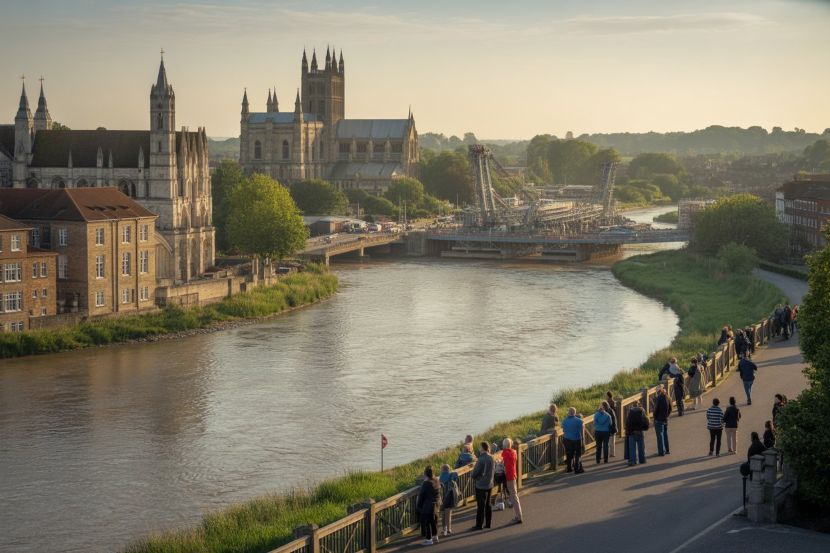
Kent and Essex are on the verge of a major transformation in tourism as the UK Government advances the £10bn Lower Thames Crossing project. This new under-river road tunnel, set to link the two counties, will greatly improve connectivity across South East England, offering smoother travel for tourists visiting historic towns, coastal destinations, and cultural landmarks. The tunnel promises to ease the flow of visitors while enhancing access to popular tourist spots like Southend-on-Sea, Canterbury, and the Thames Gateway area. Local tourism boards are excited about the possibilities, with the project expected to significantly boost tourism numbers in these regions.
The Lower Thames Crossing will consist of two parallel tunnels under the River Thames, extending 14.5 miles (23 km). Once completed, it will create an improved road network linking the M25 in Essex to Kent’s M2 and A2 highways, ensuring smoother travel for both residents and visitors. This modern infrastructure project aims to ease congestion on existing crossings, such as the Dartford Crossing, which frequently causes delays, especially during peak travel times. According to the UK Government’s report, the project will not only help relieve traffic bottlenecks but will also create an opportunity to boost regional tourism by offering a more direct route to tourist hotspots in the region.
Tourism experts highlight that the Lower Thames Crossing will reduce travel times for domestic and international tourists looking to visit places like historic castles, heritage sites, art galleries, and the iconic coastal areas of South East England. Canterbury, a UNESCO World Heritage city, is particularly expected to benefit. With easier access, visitors are more likely to explore beyond London, traveling to these picturesque regions that offer rich cultural and natural attractions. The tunnel is seen as a critical addition to the UK’s transport infrastructure, which will also have the added benefit of connecting areas previously perceived as distant, encouraging more spontaneous tourism across the region.
National Highways, the agency responsible for overseeing the project, asserts that the new road will play a crucial role in enhancing tourist accessibility, ensuring visitors spend less time on the road and more time enjoying local attractions. According to National Highways, this initiative aims to contribute to sustainable tourism growth, as it will provide a more reliable and efficient route for regional travelers. The tunnel will not only connect Kent to the broader London commuter belt, but it will also strengthen ties between these areas and key international airports such as London Gatwick and London Stansted, making it easier for tourists to explore further.
While the tourism community eagerly anticipates the new tunnel, local businesses and hospitality sectors are also poised to benefit. With better access to attractions, more tourists will explore the surrounding towns, bringing economic benefits to hotels, restaurants, and shops. Business owners in the region have already begun to prepare for the expected influx, with many developing marketing campaigns that promote the advantages of the enhanced transport links. Some believe the tunnel could even extend the tourist season, making the region more attractive for off-peak holidays.
The environmental impact of the Lower Thames Crossing has also been a point of consideration. National Highways has undertaken extensive studies to assess the potential effects of the project on local wildlife and habitats. In response to concerns, authorities have assured the public that they will implement sustainable construction techniques to reduce the project’s carbon footprint, aiming for minimal disruption to the environment. These efforts align with the UK Government’s goal of achieving net-zero emissions by 2050, with eco-friendly travel options playing a key part in the overall vision for the country’s future.
According to the UK Government’s official projections, over 15,000 jobs will be created during the construction phase, with ongoing employment opportunities in the tourism and transport sectors once the tunnel is operational. By improving transport efficiency, the project is expected to strengthen the region’s economy, making it more competitive as a tourist destination in the broader UK and international markets.
As the Lower Thames Crossing nears its planned construction phase in 2026, there is a growing sense of anticipation within the tourism sector. With completion expected in the early 2030s, the new road will provide a modern, efficient transport route for tourists and locals alike. Visitors can look forward to faster access to South East England’s diverse attractions, from historic cities to scenic coastal escapes. For businesses and tourism boards, the tunnel represents a fantastic opportunity to promote multi-destination holidays across Kent and Essex, creating a more interconnected and vibrant region for future tourists.
The Lower Thames Crossing will enhance both local and international tourism flows by making South East England more accessible than ever before. By improving travel times, increasing regional tourism, and creating job opportunities, the project will have lasting economic benefits that will help cement Kent and Essex’s place as prime destinations for both leisure and business tourism.
