Home » Airlines News of Europe » Thousands of Frustrated Passengers Left Stranded Across Europe: Over 60 Flights Grounded and 110 Delayed by KLM, EasyJet, and Air France Amid Severe Weather in France, Germany, and the UK — What You Need to Know About Affected Flights
Published on
January 4, 2026
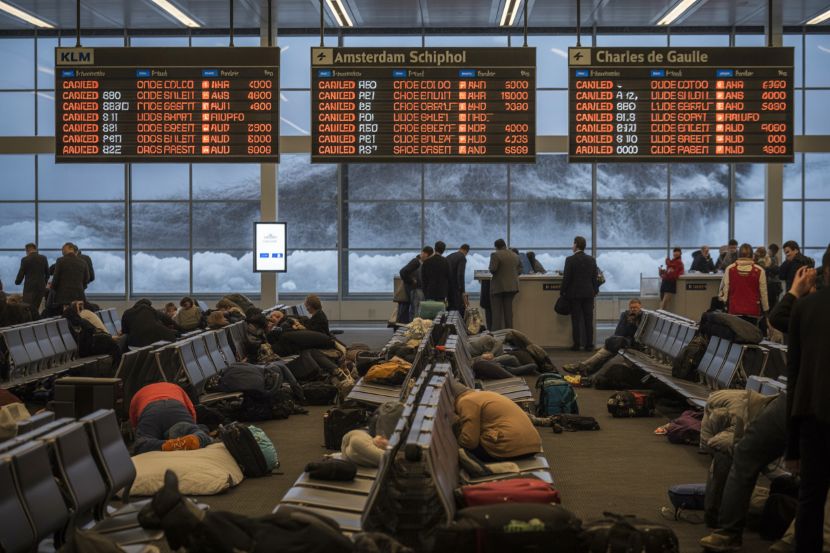
Travel disruptions have once again rattled passengers as KLM, EasyJet, and Air France have been forced to cancel dozens of flights due to severe weather conditions this weekend. Over 50 flights were affected, resulting in significant disruptions across several European airports, particularly Amsterdam Schiphol, Berlin Brandenburg, and Charles de Gaulle, with passengers facing long delays and unexpected cancellations. Travelers, especially in Asia, have been caught in the turmoil as many of these airlines service major routes connecting Asia and Europe.
Number of Canceled Flights
According to the flight data, KLM, EasyJet, and Air France have canceled a total of 60 flights over the course of a weekend, all due to inclement weather. The cancellations affected major airports across Europe, with Amsterdam Schiphol (AMS) seeing the highest number of affected flights. EasyJet alone accounted for 20 cancellations, while Air France and KLM each had around 20 flights canceled. This disruption, compounded by severe weather conditions, forced hundreds of travelers to rebook and reroute their flights.
Airline-Specific Flight CancellationsKLM
EasyJet
Air France
Key Airports Affected
The weather-related cancellations have primarily impacted the following airports:
KLM:
- Amsterdam Schiphol (AMS): This airport faced the brunt of cancellations, with nearly 20 flights from KLM disrupted.
- London Heathrow (LHR): Several connecting flights from AMS to LHR were affected, causing ripple effects.
- Berlin Brandenburg (BER): With multiple flights from AMS to BER canceled, passengers were left scrambling for alternate travel options.
EasyJet:
- Berlin Brandenburg (BER): EasyJet passengers traveling to Rovaniemi and Nantes were stranded due to flight cancellations.
- Amsterdam Schiphol (AMS): Several EasyJet routes to Edinburgh and Prague were delayed or canceled due to adverse weather.
- Bristol International (BRS): The route from Bristol to Salzburg was among the worst-hit, affecting travelers heading to the Alps.
Air France:
- Charles de Gaulle (CDG): Air France’s primary hub saw a significant number of cancellations, especially those originating from AMS and Toulouse-Blagnac.
- Geneva Cointrin Int’l (GVA): Delays and cancellations to and from Geneva severely impacted both regional and international travel.
- Pôle Caraïbes (PTP): Passengers traveling from the Caribbean to Paris faced disruptions due to cancellations.
Key Regions Affected
The disruption has also spread across various regions, primarily affecting Northern and Western Europe.
KLM:
- Northern Europe: Routes connecting Amsterdam to cities like Glasgow, Edinburgh, and Vienna saw major cancellations, impacting travel across Northern Europe.
- Western Europe: Flights from Amsterdam Schiphol to London and Brussels were also disrupted.
EasyJet:
- Central Europe: Flights connecting Berlin to Rovaniemi, as well as Amsterdam to Prague, were among the worst affected.
- Western Europe: Cancellations between major airports in the UK (e.g., Edinburgh, Bristol) and Western Europe destinations like Salzburg further disrupted schedules.
Air France:
- Western Europe: Routes from Amsterdam Schiphol to Paris and Geneva were significantly impacted.
- Caribbean and North America: Several long-haul flights, especially from the Caribbean (e.g., Pôle Caraïbes to Paris) were delayed or canceled due to bad weather over the Atlantic.
Detailed Affected RoutesKLM:
- AMS – Glasgow: KLM flight KLM941 (B738) was scheduled to depart for Glasgow, but bad weather forced its cancellation.
- AMS – Prague: KLM1357 (A21N) was canceled due to weather in the Czech Republic, severely affecting passengers from the Netherlands.
- AMS – Vienna: Affected by high winds and low visibility, KLM1781 (B738) was grounded, leaving passengers stranded at AMS.
EasyJet:
- BER – Rovaniemi: EasyJet’s flight EZY5341 (A319) from Berlin to Rovaniemi was delayed due to icy conditions in Finland, while travelers struggled to find alternate flights.
- AMS – Edinburgh: EasyJet flight EZY7837 (A320) faced a long delay due to snowstorms in Scotland, leaving passengers anxious about their connections.
- BRS – Salzburg: EZY2949 (A320) to Salzburg from Bristol was canceled, disrupting ski-season travelers who had booked for the Alps.
Air France:
- AMS – Charles de Gaulle: Air France flights AFR1651 (BCS3) and AFR1841 (BCS3) from Amsterdam to Paris were canceled due to dense fog and low visibility at both airports.
- TLS – AMS: The flight from Toulouse to Amsterdam, AFR1454 (E190), was canceled due to runway closures in Toulouse, affecting passengers headed to the Netherlands.
- CDG – Geneva: AFR1042 (A320) faced delays, causing passengers to miss connecting flights to other European destinations.
Impact on Passengers
The impact of these cancellations on passengers has been immense, as many were stranded without immediate alternatives. Passengers were forced to spend hours, if not days, in airports as airlines struggled to manage rebookings. For those whose flights were canceled from major airports like AMS and CDG, rescheduling proved difficult, with available flights weeks away due to limited capacity.
Many passengers expressed frustration, citing a lack of communication and assistance. Some were left without hotel accommodations or meal vouchers, further exacerbating the stressful situation. EasyJet and Air France had to issue numerous apologies to affected customers, and KLM had to extend customer service hours to handle the overwhelming inquiries.
Impact on Local Tourism
With several international travelers stranded and unable to continue their planned itineraries, local tourism in the affected areas took a hit. For Amsterdam, Paris, and Berlin, a significant number of tourists missed out on major attractions, and hospitality businesses saw reduced bookings for the day. This delay also led to a domino effect, as tour operators had to adjust their schedules to accommodate stranded travelers.
Tourists who were able to continue their journey found themselves with limited access to hotel accommodations and tourist sites, as last-minute bookings surged in response to the sudden demand for services. As the situation stretched into the weekend, local tourism officials scrambled to mitigate the damage caused by the influx of late travelers and flight delays.
Steps for Recovery
The tourism industry in the affected regions can recover by strengthening contingency planning, especially in terms of flight rerouting, hotel accommodations, and customer service. Airlines should focus on improving communication with passengers during cancellations and delays, offering timely updates and support.
For passengers, airlines can improve compensation schemes, including faster reimbursement processes and offering meal vouchers, transportation, and hotel stays. Local authorities can also work with the hospitality sector to ensure that tourists impacted by cancellations are provided with adequate support, keeping them in the region for additional nights to recover lost travel time.
Looking Forward: Recovery and Growth
As airlines and tourism boards continue to focus on service recovery, the overall travel industry can bounce back from these disruptions. Airlines are likely to adopt more robust contingency strategies, while airports will focus on better handling weather-related challenges. Despite these setbacks, tourism can thrive as more resilient systems are put in place for the future, ensuring smooth operations during extreme weather events.
Conclusion
While the recent flight cancellations have caused significant disruptions for passengers and local economies, these challenges provide an opportunity for the aviation and tourism sectors to refine their response strategies. By focusing on passenger support, transparency, and recovery, the industry can strengthen its resilience, ultimately leading to improved experiences for travelers in the future. While setbacks like these are inevitable, they can also foster innovation and create stronger systems for the future of global travel.
