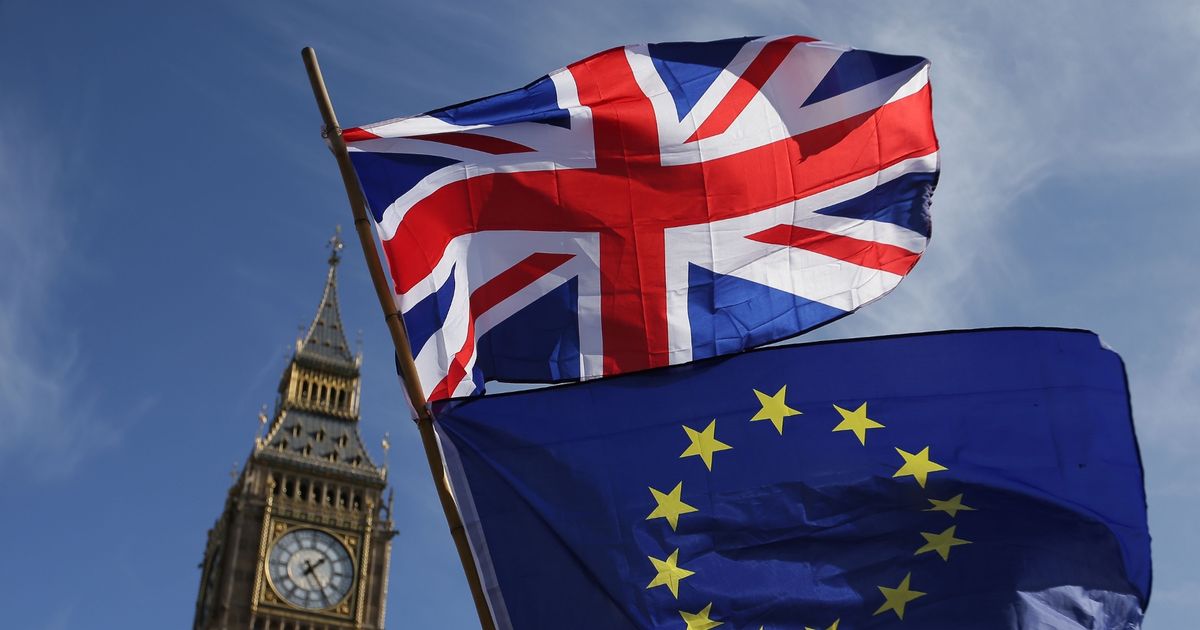
Keir Starmer said Britain should ‘get closer’ to the European Union and signalled that he could look at rules governing border checks for goods traded with the bloc
11:25, 04 Jan 2026Updated 11:40, 04 Jan 2026
Keir Starmer has said he is prepared to align the UK more closely to the EU single market if it is in “our national interest”.
The Prime Minister said Britain should “get closer” to Brussels and signalled that he could look at rules governing border checks for goods and services. But he insisted there would be no change to freedom of movement of people, which ended after Brexit.
Blasting the “falsehoods peddled by Nigel Farage and others” during the Brexit referendum, Mr Starmer said he was moving forward rather than “picking over the bones” of the 2016 vote.
Britain left the EU’s customs union and single market when it severed ties with the bloc. The single market eliminates tariffs, taxes and quota on trade and allows free movement of goods, services, capital and people between countries inside it.
Meanwhile, the customs union allows for goods that have clearer one country’s checks to be shipped to others in the pact without further tariffs.
READ MORE: Michael Gove makes bold claim about controversial £350m Brexit bus sloganREAD MORE: Ditch Brexit divisions and forge closer EU ties as Trump ‘unreliable’, says TUC leader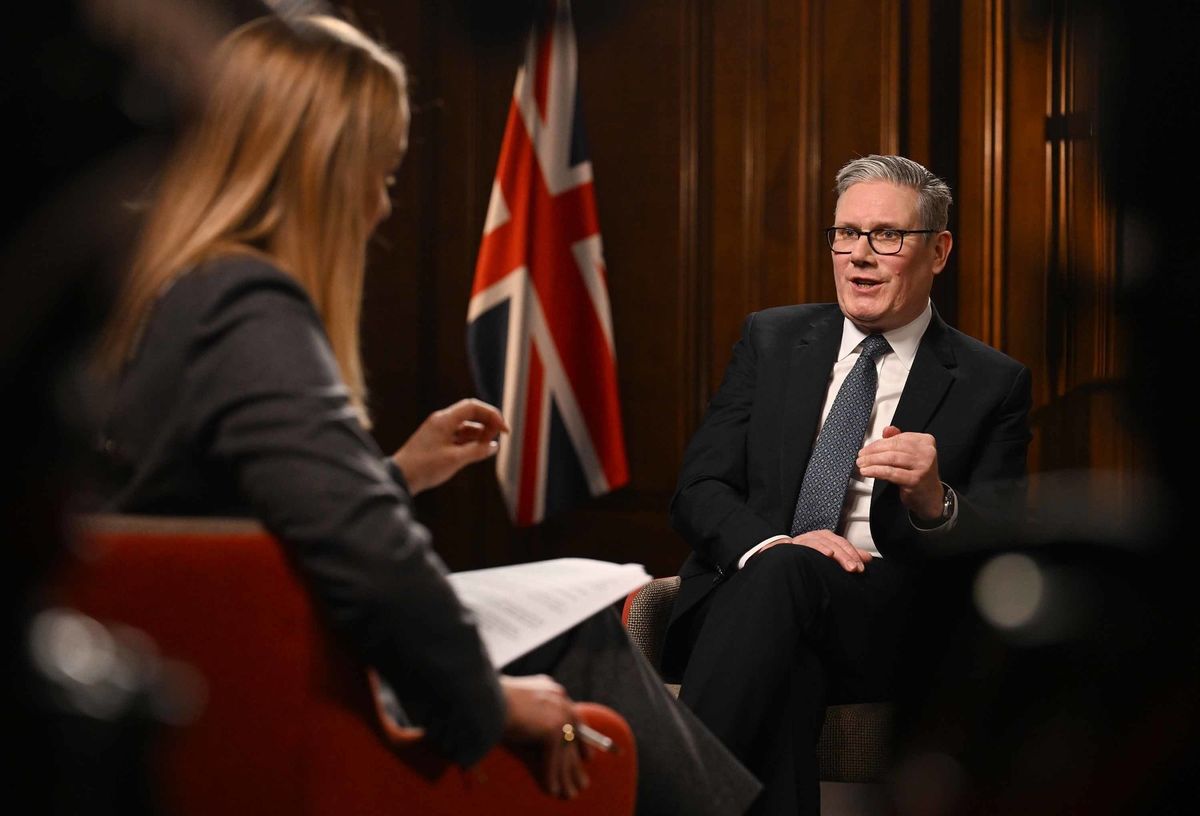 Keir Starmer made the comments in an interview with the BBC’s Laura Kuenssberg(Image: PA)
Mr Starmer has pursued a closer relationship with Europe since coming into office, including signing a trade agreement last year. But there have been calls from his own party to go further. Health Secretary Wes Streeting broke ranks before Christmas to suggest the UK should pursue a customs unions deal with Brussels.
Today, the PM told the BBC’s Laura Kuenssberg: “I think we should get closer, and if it’s in our national interest to have even closer alignment with the single market, then we should consider that, we should go that far.
“We’re already aligning on energy, reconnecting to energy in Europe on emissions, but I think the single market further alignment, as I say, if it’s in our interest to do so, we should take that step.”
He went on: “I think it’s in our national interest to go further. What I would say about the customs union is that I argued for a customs union for many years with the EU but a lot of water has now gone under the bridge.
“I do understand why people are saying ‘wouldn’t it be better to go to the customs union?’ I actually think that now we’ve done deals with the US which are in our national interest, now we’ve done deals with India which are in our national interest, we are better looking to the single market rather than the customs union for our further alignment. It wouldn’t be in our interest now to give up.”
Asked whether he would be willing to revisit freedom of movement, allowing EU citizens with no limit to come to the UK, he said: “No, but we are looking at a youth mobility scheme which will be for young people to travel, to work, to enjoy themselves in different European countries, to have that experience.”
The PM hit out at “the falsehoods peddled by Nigel Farage and others” during the Brexit referendum – and said Labour was getting on with diplomacy instead of “the politics of melodrama”.
“One of the reasons we’ve been able to reset with the EU is because both we and the EU have decided we’re not just looking back and picking over the bones of Brexit,” he said. “We’re now looking forward on this. But what I would say is this, that what is becoming increasingly apparent is the falsehoods that were peddled by Nigel Farage and others at the time of the Brexit referendum, that promise that all you had to do was leave the EU and immigration would go down.
“Then we had the Boris wave, where it quadrupled. All you had to do was leave the EU and you’d have £350 million a week for your NHS – well, it hasn’t materialised. All you’d have to do is leave the EU, and all your red tape would be gone. Tell that to any business that’s trying to trade with the EU.
“So our manifesto promise was not to reopen this, not to seek to rejoin the EU, but have a closer relationship. That is in our national interest, and that is what we’re pursuing, and because of the way that we’re conducting this, which is not shouting and screaming and the politics of melodrama, but just quietly, seriously getting on with the diplomacy.”