- Anti-inflammatory veggies are nutrient-packed and can help you feel better after holiday celebrating.
- These in-season vegetables are at their peak ripeness, flavor and nutritional content.
- From cabbage and carrots to beets and cauliflower, eating these veggies also has long-term health benefits.
I love the holiday season, but after the start of the new year, I usually feel pretty worn out from all the celebrating. While I would never swear off special holiday treats, they’re generally higher in sodium, added sugar and saturated fats than my typical eating pattern. So, to get back to my routine and feel my best, I turn to anti-inflammatory foods, especially veggies, that are nutrient-packed and help quell these pesky symptoms. To help me get back to feeling my best, here are six anti-inflammatory vegetables I stock up on after the holidays.
Cabbage
Here at EatingWell, we love cabbage. We use it in everything from Caesar salad riffs to creamy casseroles. And that’s one of the main reasons I love cabbage so much—it’s so versatile. If I have a head of cabbage in my fridge, chances are I’ll find a way to incorporate it into whatever I’m having for dinner that night. It’s also really filling and satisfying, thanks to the ample fiber it contains. Plus, its price point is tough to beat, and it lasts for up to 10 days in the fridge. Any variety of cabbage is a healthy addition to your plate, but opting for purple cabbage will give you an extra dose of inflammation-fighting anthocyanins.
Carrots
You may have heard that carrots will help you maintain healthy vision, and there might actually be some truth to that. Carrots are rich in beta carotene, an antioxidant your body can convert into vitamin A. Getting enough carotenoids supports healthy immune function, vision, and skin, and diets high in colorful produce are linked with better heart health. And you can often find them at the grocery store for less than $1 per pound, making them a perfect anti-inflammatory yet budget-friendly veg. Add them to dishes like our Curried Carrot & Apple Soup or our Skillet Pork Chops with Peas, Carrots & Pearl Onions, or roast them up on their own as a side. Lately, I’ve been making our Sheet-Pan Carrots & Chickpeas with Tahini on repeat and can’t get enough.
Leafy Greens
It’s probably not a surprise to hear that leafy greens are healthy. They’re packed with fiber, vitamins and nutrients like folate, calcium, potassium and magnesium. But did you know that many leafy greens—like kale, chard, collards and arugula—are actually in season during the colder weather months? This means that the bunch or bag of greens you’re buying was picked at peak ripeness, taste and nutrition.
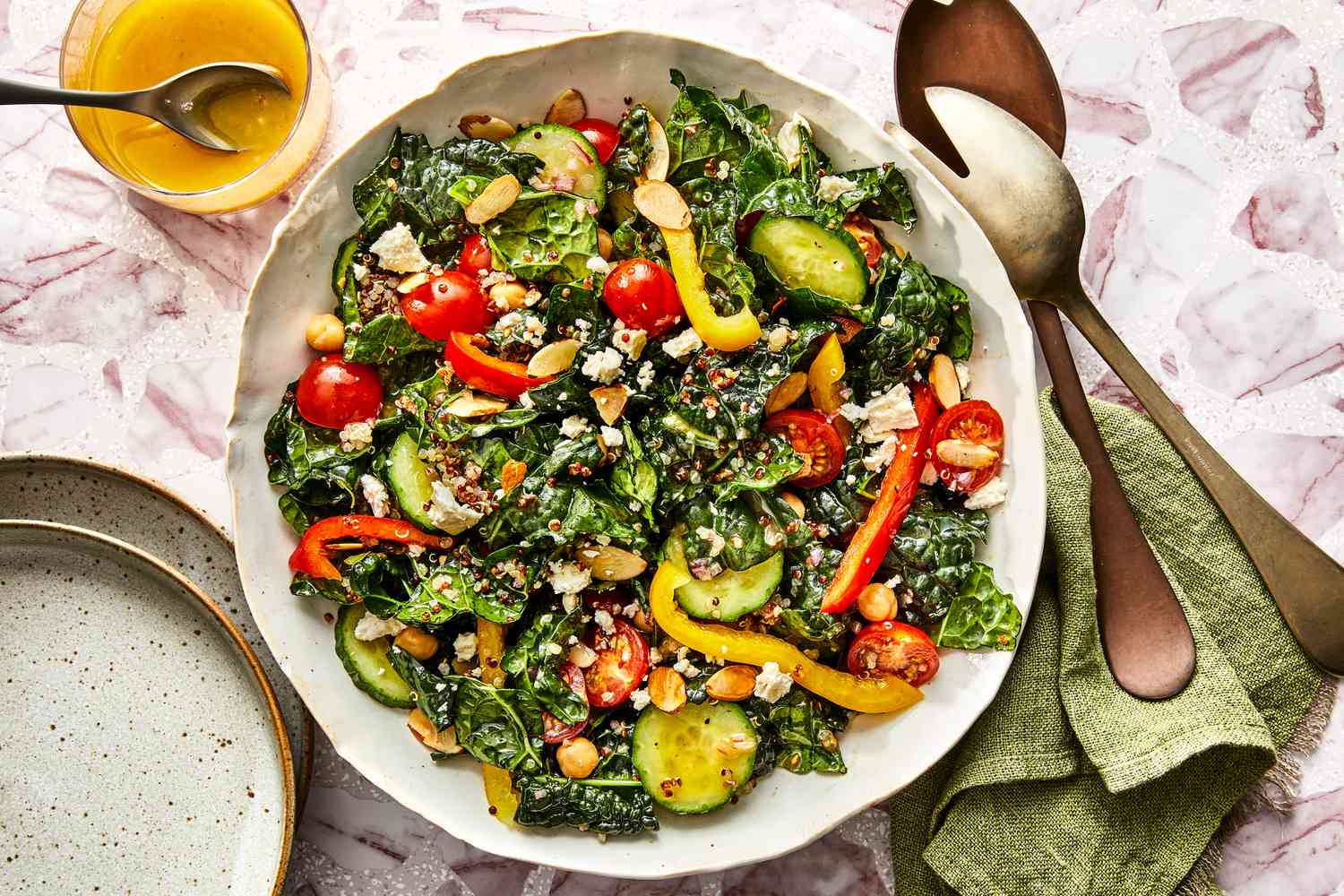
One thing I appreciate about leafy greens is that they’re easy to add to recipes. You can stir them into a soup or toss them into a pasta or stir-fry right before serving. And, even easier yet, you can toss them in a bowl with your favorite homemade vinaigrette for an easy and nutrient-dense side salad.
Brussels Sprouts
Brussels sprouts are in the cruciferous vegetable family and, botanically, they’re closely related to cabbage—which makes sense, since they look like little mini-cabbages. Roasted Brussels sprouts are synonymous with winter to me. I love to garden, and they’re one of the few plants I know I can let grow even through the first snowfall. They’re flavorful, comforting and simple to prepare, especially when using one of our Brussels sprouts side recipes.
Beets
Beets get a bad rap, but I’m convinced it’s because of the way that many people prepare them. Boiled or canned beets can tend to be a little mushy and waterlogged, but roasted beets get a crisp exterior and a tender, candy-sweet interior that lends itself to so many dishes, from salads to pastas. They’re a cost-effective vegetable that can last for up to two weeks in the fridge if stored properly, so you don’t have to worry as much about food waste. And when it comes to inflammation-fighting vegetables, beets are pretty tough to beat (pun intended). Beets are high in betalains, a class of antioxidants commonly found in produce with a deep red and purple color. They’ve been linked to reducing levels of inflammation, lowering heart disease risk, and even helping protect against certain kinds of cancers. Beets are also naturally rich in nitrates, which have been linked to improved circulation and blood flow.
Cauliflower
While I don’t believe that cauliflower is an identical stand-in for things like pizza dough, rice or Buffalo wings, it is a vegetable that can easily be made delicious. But its versatility is only one of the reasons why it’s one veg that I love to have on hand. One cup of cauliflower offers nearly 75% of your daily needs of vitamin C, a powerful antioxidant, and 20% of your daily vitamin K needs. It’s also low in calories and carbohydrates but high in fiber, which may support weight loss if that’s your goal. Plus, it’s super easy to keep a big bag of frozen cauliflower in the freezer for an easy and quick way to add veggies to meals. And while it might sound weird, you can even use frozen cauliflower in our Berry-Banana Cauliflower Smoothie to get started on your daily veggie intake at breakfast.
Seasonal and Affordable
Most—if not all—vegetables offer fiber, vitamins, minerals and antioxidants that provide some anti-inflammatory benefits, including vegetables that are in season during the winter months. But eating more of these vegetables doesn’t have to break the bank. One of the reasons I love shopping for foods that are in season is because grocery stores typically offer sales on produce that’s more readily available. Additionally, in-season foods are at their peak ripeness and flavor, which is a win-win if you ask me.
Our Expert Take
Eating in a way that meets your nutritional goals can be easy, delicious and aligned with your budget, and these vegetables are proof. They’re versatile, packed with anti-inflammatory compounds and might even be on sale at your local grocery store during the winter months. To help me feel my best after a long holiday break, I’ll be stocking my fridge with them and using them in my meal plan wherever I can.