The journeys will give children resilience, in all likelihood, but it won’t give them the right frame of mind to learn. Ethan Davies reports on what 8,000 young people might have to go through – and tells you what you can do to make it better
06:28, 02 Jan 2026Updated 08:48, 02 Jan 2026
 Why 8,000 children in Greater Manchester are forced to make these ‘stressful’ journeys(Image: LDRS)
It’s only six miles from Stretford to Harpurhey. But for Tosin Balogun and her two children, it was a 65-minute trip on two buses they had ‘no option’ but to make.
Three years ago, the family were turfed out of their Gorton home ‘the landlord said he could not fix unless’, 42-year-old Tosin recalled, ‘he gave us an eviction’. The homeless family were temporarily housed by Manchester council in Stretford.
At the time, Tosin’s daughter was 15 and her son was 12, just starting secondary school. They have since moved much closer to the classroom after the Stretford commutes in 2022 caused ‘stress’.
“We used to leave home at 6:30am to get to school for 8:15am,” health care assistant Tosin recalled. “Sometimes the bus would be full and we would have to wait for another one.”
The journey from Stretford took them to Piccadilly Gardens, and they would then need to walk to Shudehill for a connecting bus. If everything went smoothly, the journey would take around an hour.
Why 8,000 children in Greater Manchester are forced to make these ‘stressful’ journeys
“It was stressful,” Tosin sighed when recounting her experience. Despite their desperate circumstances, the Baloguns were ineligible for free transport to their school, Manchester Communication Academy, due to government guidelines.
Rules say children are only eligible for free transport to school if they live more than two miles from class, and there is no ‘suitable school’ nearer. But it’s almost-impossible to be further than three miles from a school in Greater Manchester.
There are 8,000 children in temporary accommodation in the city-region. It means their parents face two options: Pay for buses, or move her children’s school. Tosin chose to keep paying.
The Manchester Evening News believes the choice of moving their children’s school or paying for buses is one no homeless parent should have to make.
 (Image: LDRS)
That’s why we have called on Andy Burnham to introduce a free bus pass for children in temporary accommodation more than 30 minutes’ walk from school, since August. It’s a campaign backed by eight Greater Manchester MPs, including six from the mayor’s Labour Party, high-profile charities, and hundreds of residents who have signed our petition.
The situation is so severe that Manchester Communication Academy decided to start paying some homeless children’s bus fares after hearing about the Baloguns. Somewhat ironically, they use a £10,000 grant from the Greater Manchester Mayor’s Charity, to pay for bus tickets, staff training, and packages for newly homeless families nearby.
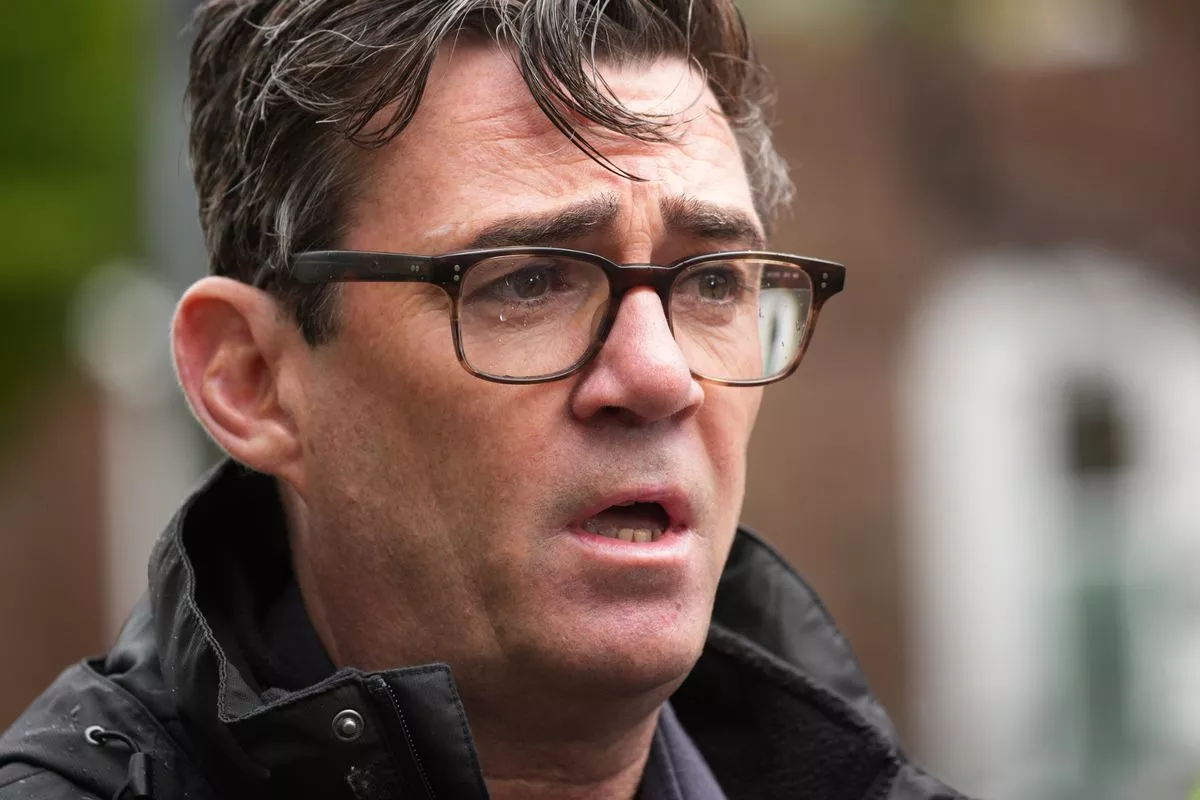
Earlier this month (December 3), the mayor said he was ‘sympathetic’ to families like the Baloguns’ plight. But he did not commit to introducing the passes.
He said: “What might open the door is we are moving to a more interventionist space as a combined authority when we signed off using 400 empty properties to reduce the bill in temporary accommodation.
“As part of the support packages there’s an opportunity to link the two. I cannot say more than that because we are in discussions over the budget which come to a head in January… we have a lot of things to consider. We are looking at all of it. I am sympathetic.”
 (Image: Getty Images)The dark, cold journey
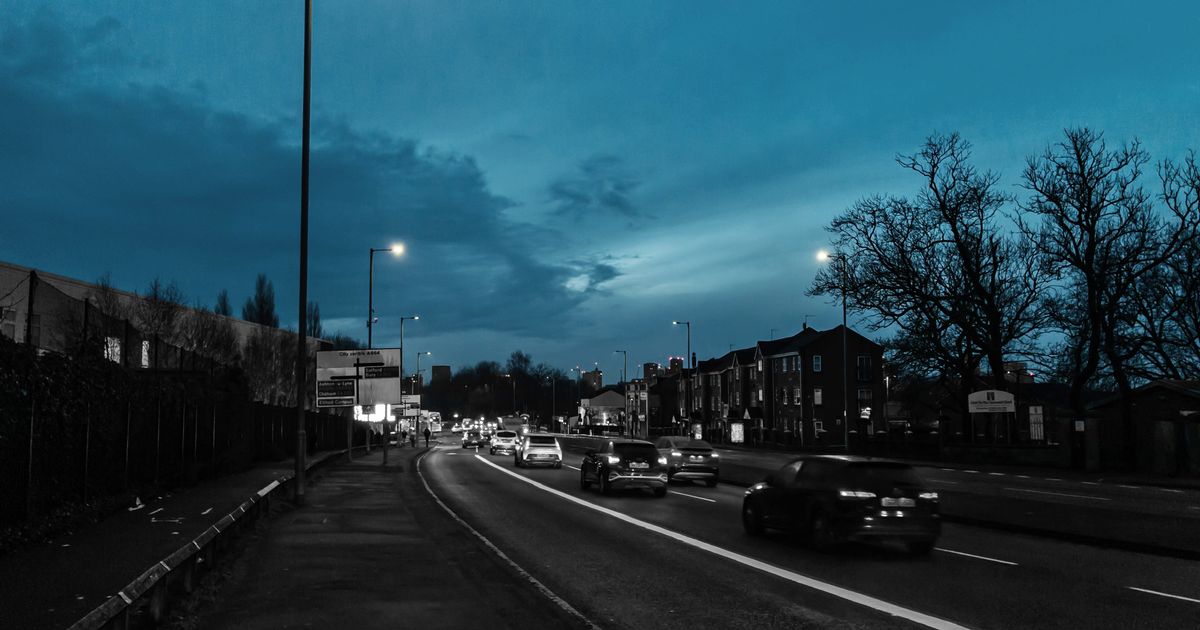
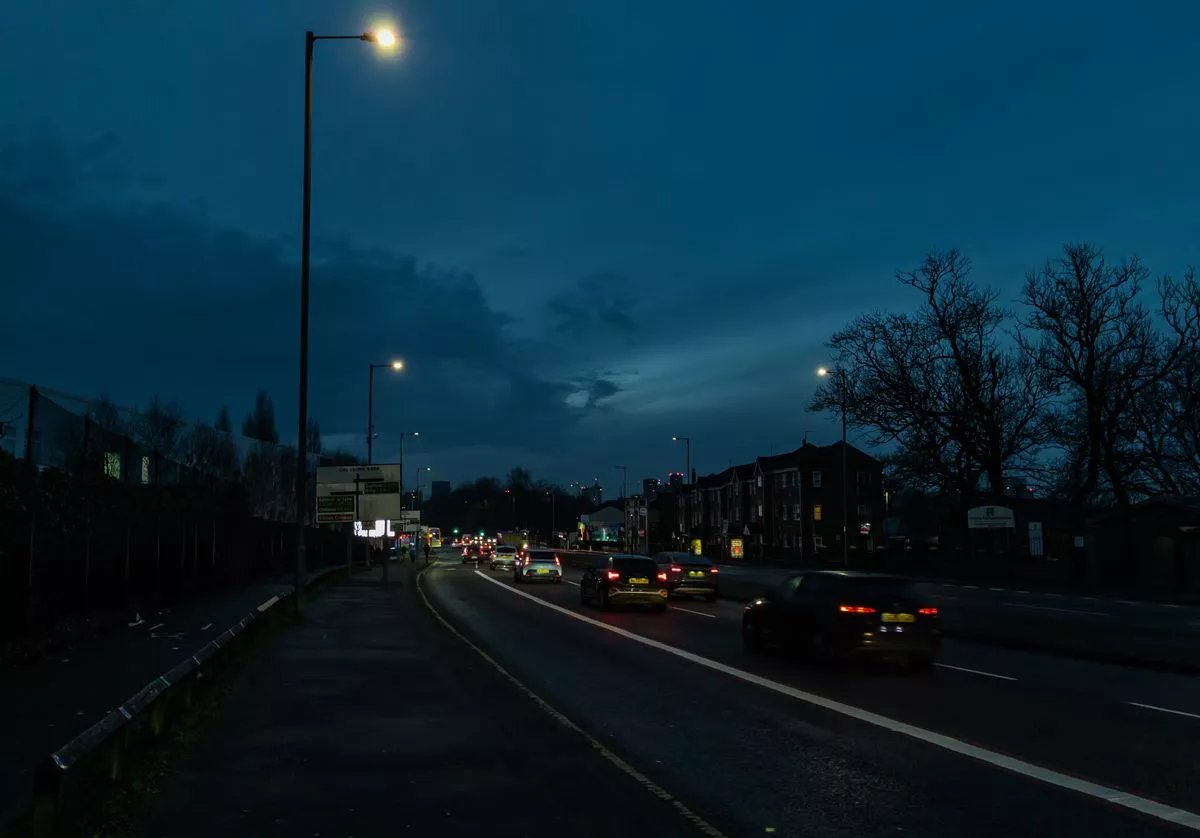
Stretford, before 7am, is cold in December. But it’s not quiet, as traffic roars on the A56.
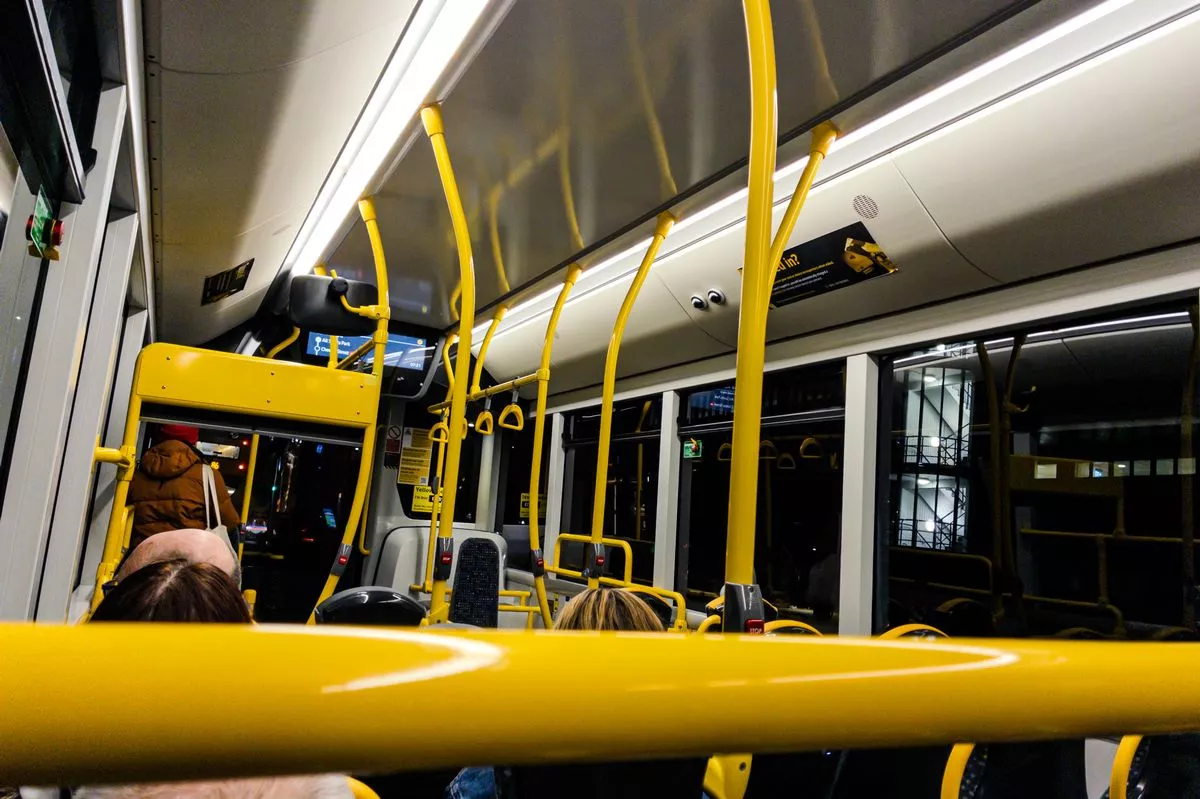
The 255 and 263 buses stop outside the Public Hall, and take about half an hour to reach town. The 263 winds its way through Hulme, occasionally stopping to make up time, undoubtedly adding to anxiety about making the school bell.
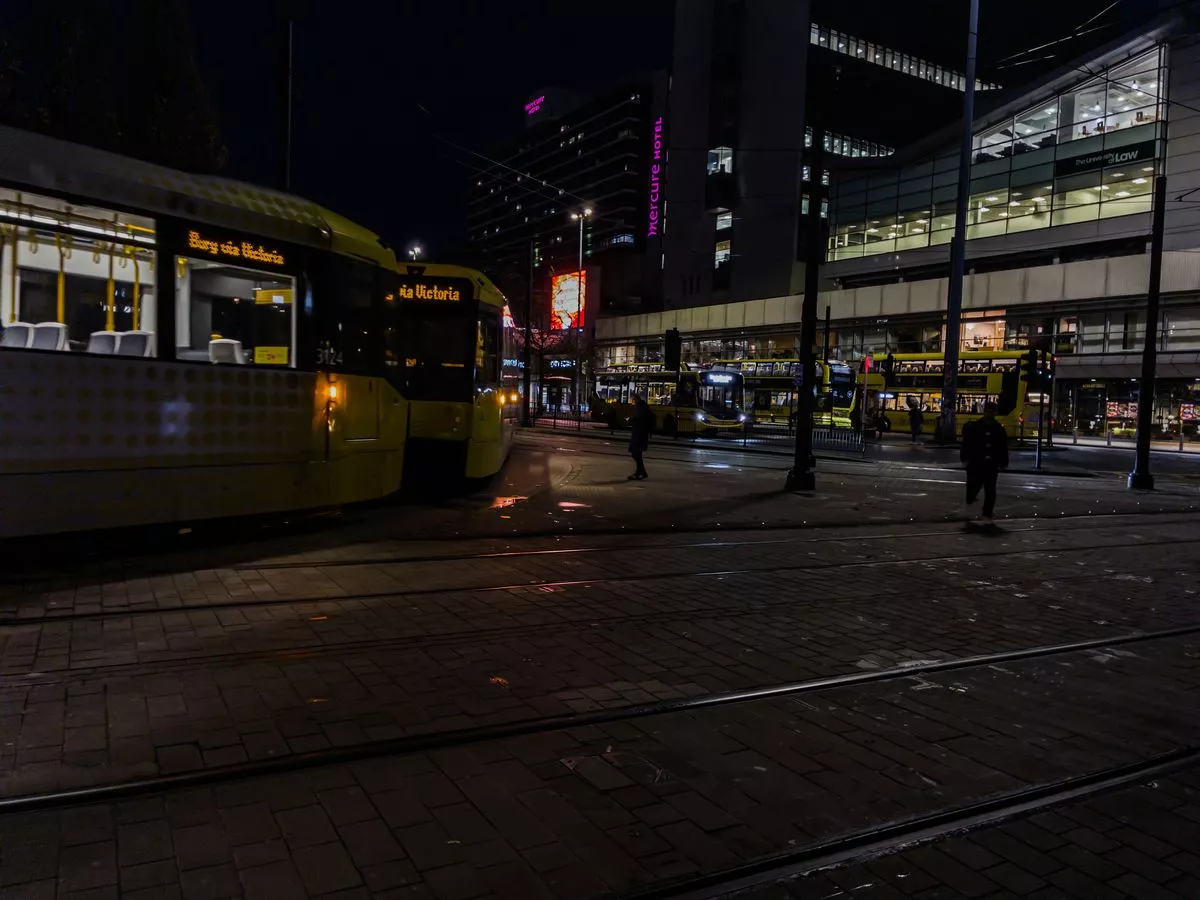
Piccadilly Gardens, even at 7:30am, is still rowdy. Some people are shouting, the police are patrolling, and it can still smell of cannabis. Shudehill is a nicer environment, with plenty of buses heading along Rochdale Road.
Pupils need to be at Manchester Communication Academy for 8:25am, but if they arrive before 8am, they’re eligible for a free breakfast. That second bus needs to be on time for parents in Tosin’s position to save some money.
 (Image: LDRS)
The early start, sometimes chaotic commute, and anxiety about getting a free meal all mean that bus journey cannot put students in the right frame of mind when they get to school.
When pupils arrive at Manchester Communication Academy, they see several signs outlining what the school trust’s values are, including ‘grit’.
One thing this journey is likely to give teenagers is grit. But if the Baloguns had to repeat this journey now, it would make at least £5.33 poorer per day, if Tosin bought an £80 adult and two £40 child’s monthly bus pass.
Tosin cannot remember how much she had to pay for the trips, but it was likely more as they undertook this odyssey before the Bee Network simplified tickets and brought in hopper fares.
While it is easier for families to afford the bus now, the fact remains Greater Manchester’s homeless parents are being told to fork out £40 every month, at least, just to do what’s expected of them and keep their children in school.
To some, like Tosin, eight MPs, and several important charities, think that’s a slap in the face. It’s why the Manchester Evening News is calling on Andy Burnham to change things this Christmas.
You can support the campaign here.