Home » AIRLINE NEWS » Ryanair Expands Boldly in UK, Spain, Italy, France, Germany, Finland, and Portugal in 2025 Amid Route Cuts and Operational Challenges
Published on
January 4, 2026
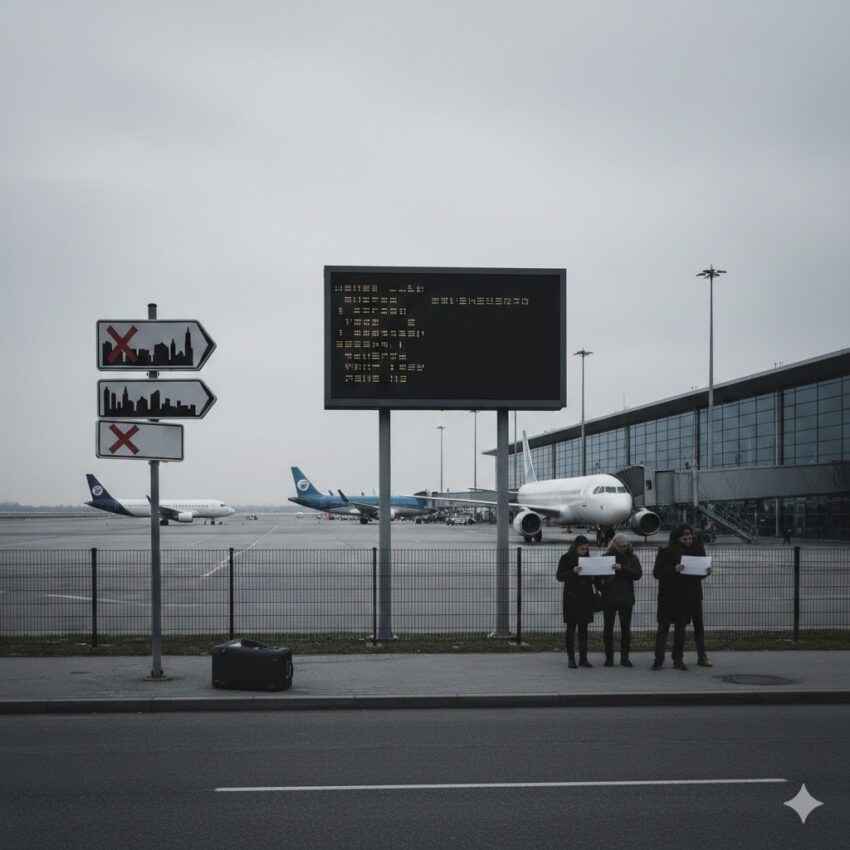
In 2025, Ryanair is expanding boldly across key European markets, including the UK, Spain, Italy, France, Germany, Finland, and Portugal, as part of its strategy to strengthen its position in the competitive low-cost travel sector. The airline is introducing new routes and boosting investment in strategic bases like Bologna to increase capacity and attract more passengers. However, this growth comes amid operational challenges, including delays in aircraft deliveries and the tough decision to cut several routes across Europe, reducing overall seat availability. These strategic cuts, aimed at optimizing operations, are a necessary adjustment as Ryanair navigates the complexities of expansion while managing its resources effectively.
A Push for Growth: Expanded Routes and Infrastructure
Ryanair is marking 2025 as a year of expansion, particularly during the winter months. The airline has unveiled plans to strengthen its presence in key regions such as the UK, Finland, and Italy, aiming to meet rising demand and improve its service offerings.
Among the most notable changes is the introduction of new routes connecting London with Murcia and Rovaniemi with various cities in the UK. These routes are designed to cater to travelers looking for warmer destinations and winter holiday options, a strategy that fits well with Ryanair’s core business model of providing affordable travel to popular holiday destinations. By expanding into these markets, the airline hopes to increase its customer base and further enhance its position as a dominant force in the low-cost sector.
In addition to new routes, Ryanair is investing in its operational infrastructure. One of the key areas of focus is its base in Bologna, which is set to receive increased investment to support the airline’s broader European expansion. By strengthening its operations in Italy, Ryanair aims to improve capacity, serve more passengers, and further expand its route network, thus solidifying its position in the European low-cost airline market.
Aircraft Delivery Delays: A Critical Setback
Despite its expansion plans, Ryanair is encountering several challenges, particularly with delays in aircraft deliveries. The airline relies heavily on its supplier for its fleet, and the delays in new aircraft deliveries are hindering Ryanair’s growth strategy. This issue has become a source of frustration for the airline, which had counted on receiving new planes to help meet its rising demand.
These delivery delays have significant operational consequences, as Ryanair had planned to introduce additional aircraft to support its expansion and keep up with the increasing number of passengers. This disruption has forced the airline to adjust its schedules and, in some cases, alter its growth plans. The ongoing issue also highlights the delicate nature of airline operations, where timely aircraft deliveries are crucial for scaling up services and maintaining the airline’s competitive position.
The Digital Transition: Phasing Out Physical Boarding Passes
In a move toward further digitalization, Ryanair has made the controversial decision to phase out physical boarding passes. This shift is part of a larger strategy to streamline operations and reduce costs, but it has not been well received by many passengers. While digital boarding passes are becoming increasingly common in the industry, Ryanair’s decision to eliminate paper passes has sparked frustration among travelers, especially those who prefer the convenience and reliability of physical boarding passes.
The airline argues that digital passes are more efficient and environmentally friendly, aligning with modern travel trends. However, many customers feel that this change compromises their convenience and comfort. The move has raised questions about the balance between operational efficiency and customer satisfaction, particularly when it comes to budget carriers who rely on customer loyalty and satisfaction to maintain market share.
Route Cuts and Impact on Smaller Destinations
Perhaps the most unexpected move for Ryanair in 2025 is its decision to reduce several key routes. The airline plans to scale back services to several major destinations, including cities in Spain, France, Germany, Belgium, Portugal, and other European locations. This decision will result in a reduction of approximately three million seats in the airline’s network, affecting both the airline’s bottom line and the convenience of passengers relying on these routes.
The cuts are particularly concerning for passengers traveling to smaller cities, where Ryanair’s affordable service has been a critical mode of transportation. With fewer direct flights available from these regions, travelers may face increased difficulty and higher costs when planning their trips. The reduction of routes from regional airports could disrupt travel plans for both local residents and international visitors, limiting the options for affordable travel to and from less connected destinations.
In 2025, Ryanair is expanding its operations in the UK, Spain, Italy, France, Germany, Finland, and Portugal with new routes and investments. However, this growth comes amid operational challenges, including aircraft delivery delays and strategic route cuts to optimize resources.
Looking Ahead: Navigating Challenges and Maintaining Growth
As Ryanair moves forward into 2026, the airline faces a complex balancing act. While it continues to expand its reach and invest in its network, the challenges it faces—from delayed aircraft deliveries to customer dissatisfaction with new policies—could affect its long-term growth potential. The upcoming route reductions will also require careful management to mitigate the impact on customer loyalty and the airline’s reputation for affordable, reliable service.
2025 will ultimately be remembered as a year of bold expansion but also one marked by difficult decisions. As Ryanair navigates its strategic initiatives and adapts to the changing demands of the aviation industry, the airline’s ability to manage both its growth and the challenges that arise will determine its continued success in Europe’s competitive low-cost travel market.
