
European Union plans to create a light multirole combat turboprop aircraft FMLA (Future Multirole Light Aircraft), with €15 million already allocated for a competition to create it. This financing is secured in the European Defence Fund program by European Commission decision.
A separate item in EDF Work Programme 2026, including details in Annex 3, establishes development of an aircraft that should not duplicate or rely on existing turboprop aircraft. But be cheap and perform close air support missions, intercept drones, conduct reconnaissance, coordinate strikes, and provide target designation.
Read more: America’s Secret Stealth Drone Just Appeared in Venezuela Op One of Its Rarest Public Sightings
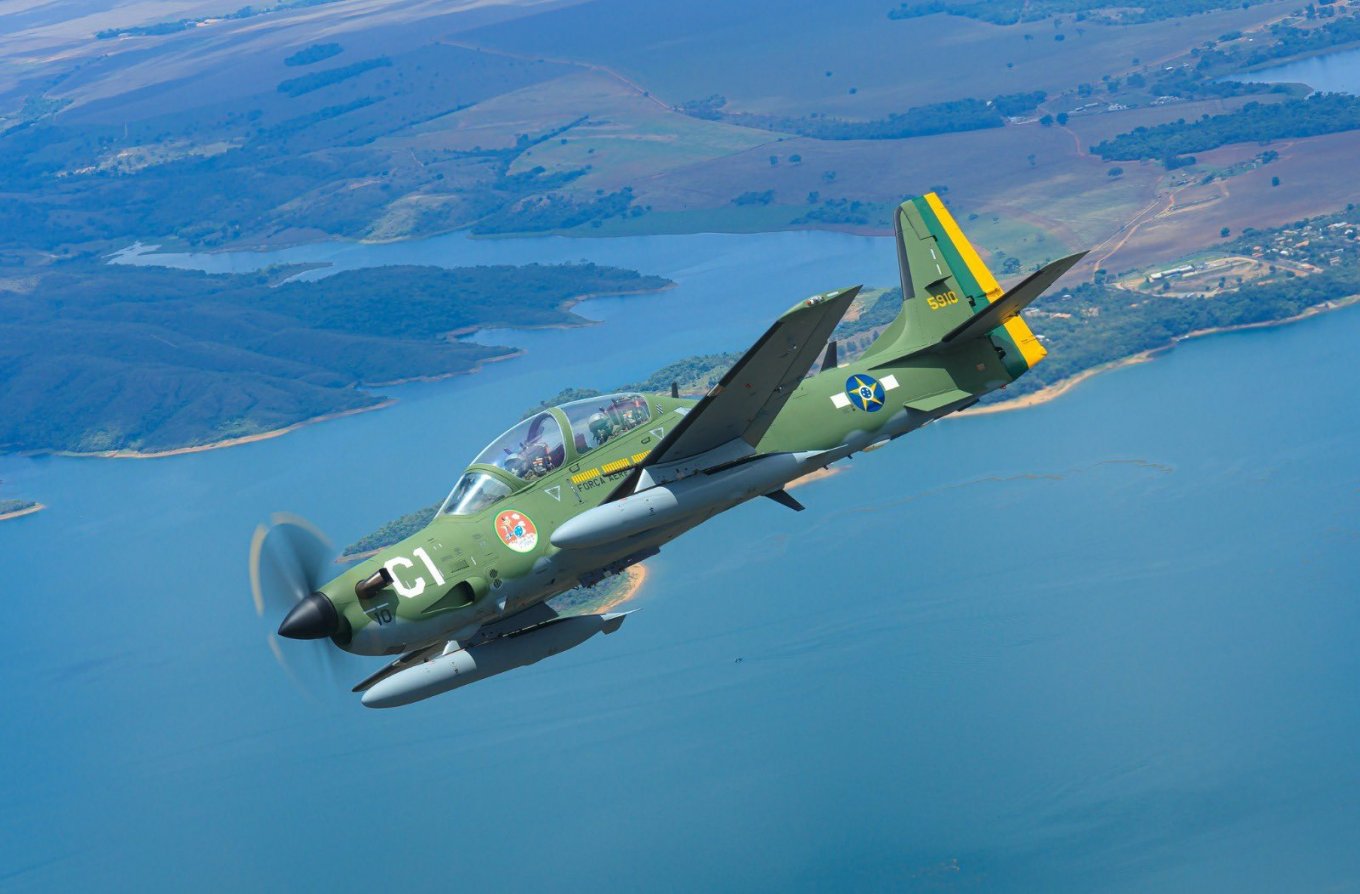 Super Tucano of Brazilian Air Force / Open source photo
FMLA is expected to become valuable due to its versatility, low operating costs, and adaptability, and will also be easily re-equipped for civil security missions, such as search and rescue operations.
Requirements for the new turboprop aircraft include: turboprop engine use, takeoff weight up to 7,500kg, short takeoff and landing capability (STOL) meaning operation from runways up to 450 meters long.
Also specified is use of modern technologies and materials that should minimize aircraft visibility on radar and other detection systems, plus electronic warfare resistance. Meanwhile, the necessity to have own radar systems and adaptive camouflage means is stated. Additionally, requirements are noted regarding operation in harsh conditions and environmental friendliness.
Regarding FMLA’s direct combat role, already at the requirements development stage for this machine, it’s indicated that it is intended for low-intensity conflicts, operations in suppressed enemy air defense conditions, and missions below the threshold of open conflict. Also, this aircraft should be a cost-effective solution for countries that cannot afford modern aviation assets.
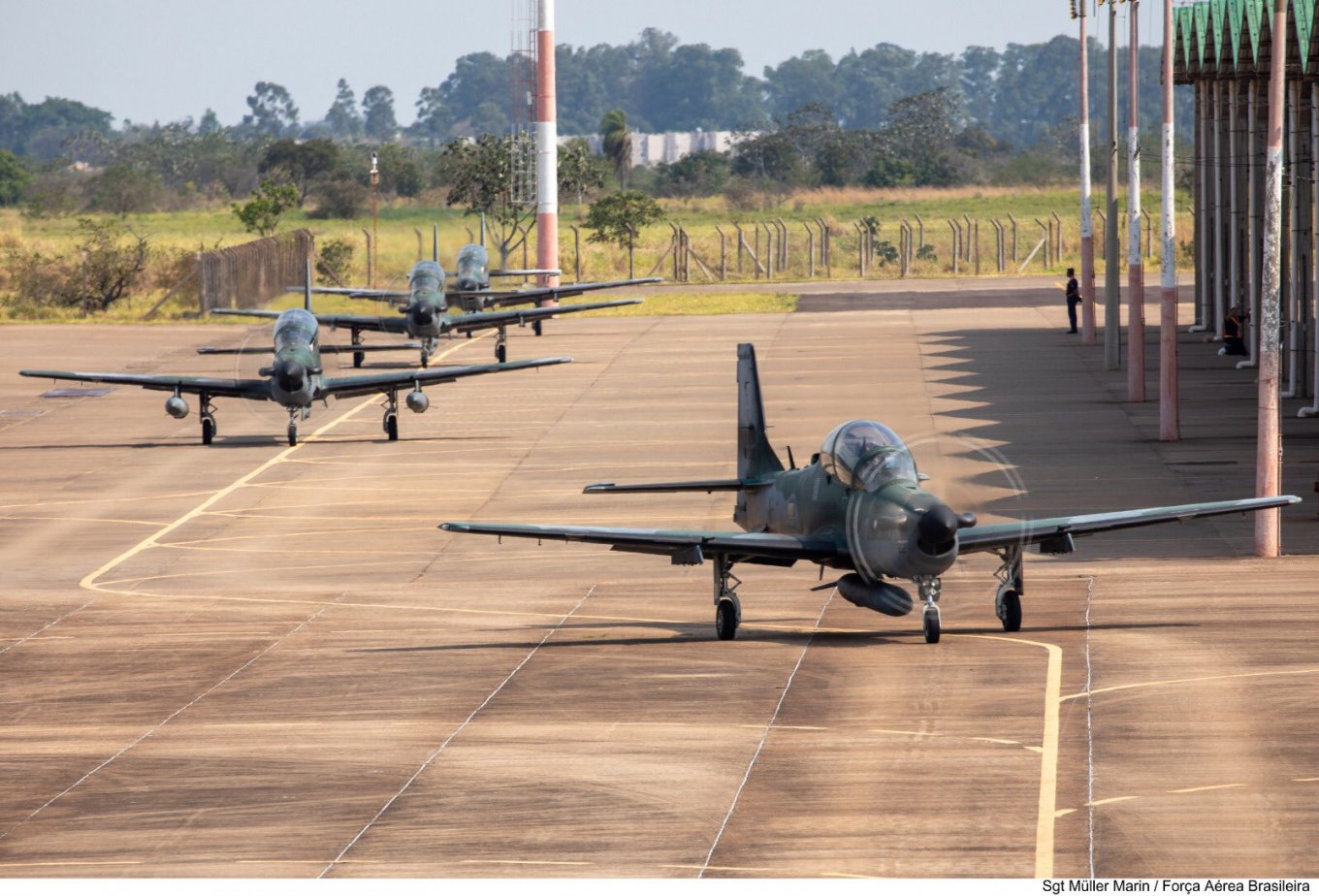 Super Tucano of Brazilian Air Force / Open source photo
Defense Express notes that everything described strongly resembles what Super Tucano from Embraer can already do. Except for the logical radar requirement and the very strange desire to ensure low observability because combining a propeller engine with effective stealth technologies is quite a non-trivial task.
But in any case, EU intentions to create its own cost-effective air asset looks like a very positive shift. However, all positive impressions from initiating this very pragmatic project are destroyed by its timeline. Because the delivery horizon for this new aircraft is currently defined at 2035-2040.
Read more: russian Missile Brigade Suffers Losses After Explosion in Krasnodar Krai (Video)