
A chiropractor has urged people to complete one check to help their children
Sophie Buchan Money and Lifestyle Writer
05:30, 04 Jan 2026
 Schoolbags could be a problem, parents are being told(Image: Getty)
A chiropractor has shared a simple way to check if your child’s school bag is too heavy, as it could be causing them health issues. And even if there are no signs now, they may develop issues as they get older, so it’s vital to prevent this as early as possible.
A chiropractor who is a member of the British Chiropractic Association (BCA) has teamed up with Marks and Spencer in order to alert parents to the little-known issue. The reason this is a key issue to address is that if a child’s bag is too heavy, it can lead to back pain.
Health professionals specialising in children’s wellbeing suggest that a bag shouldn’t exceed 10 per cent of a child’s body weight. Mr Blackstock explained: “Many parents don’t realise there’s a recommended weight limit for children’s school bags, as proper loading is vital for protecting spinal health, growth and development.
“Experts advise that a backpack should weigh no more than 10% of a child’s body weight, but with many bags far exceeding that, carrying too much can put additional strain on growing spines, muscles and joints. The results could be attributed to such things as poor posture, discomfort and long-term musculoskeletal issues.
“Children often compensate for heavy bags by changing their posture; leaning forward or sideways, which can cause imbalances and increases the risk of fatigue or injury. Repeat these postures day after day, term after term, year after year and you can see how injuries and discomfort arise.”
How to calculate the correct weight of your child’s bag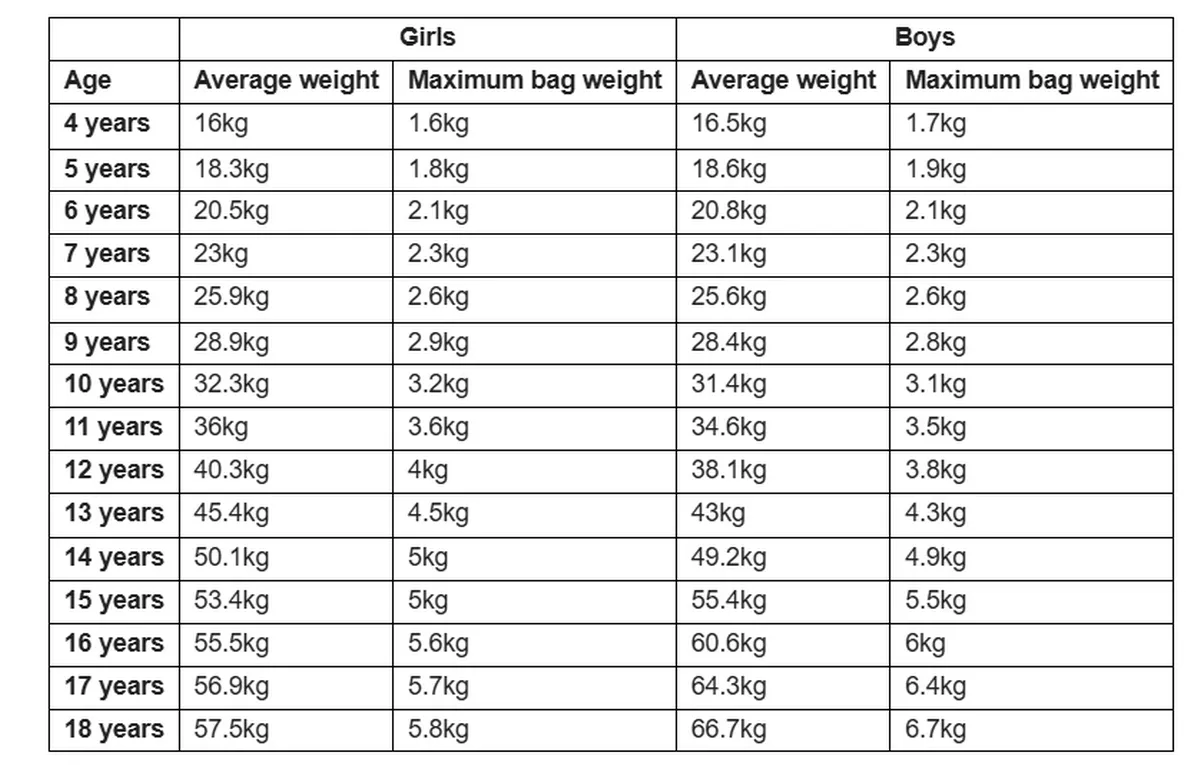 Calculate the correct weight of your child’s bag(Image: M&S)
Given that children develop at different speeds and boys and girls vary in average weight, working out a safe maximum bag weight requires a straightforward calculation. Simply weigh your child and multiply their weight by 0.1 to establish the ideal limit.
Once you’ve worked out how much your child can safely carry, begin adding essentials such as water bottles and lunchboxes to the bag, checking the weight regularly. If it exceeds the recommended threshold, think about which items could be left behind.
Packing items in a particular order and wearing the bag as designed can also make a difference. The chiropractor stressed: “When packing your bag, distribute weight evenly and place heavier items at the top to prevent the shoulders from being pulled backward.
“A few small adjustments to how children carry their school bags can make a big difference to their long-term musculoskeletal health.”
He concluded: “It’s not always seen as fashionable, admittedly, but wearing it on both shoulders and adjusting the straps accordingly is vital to make sure the bag correctly supports the weight, easing pressure on the body.”