‘We march today because neo-Nazis are trying to intimidate us.’
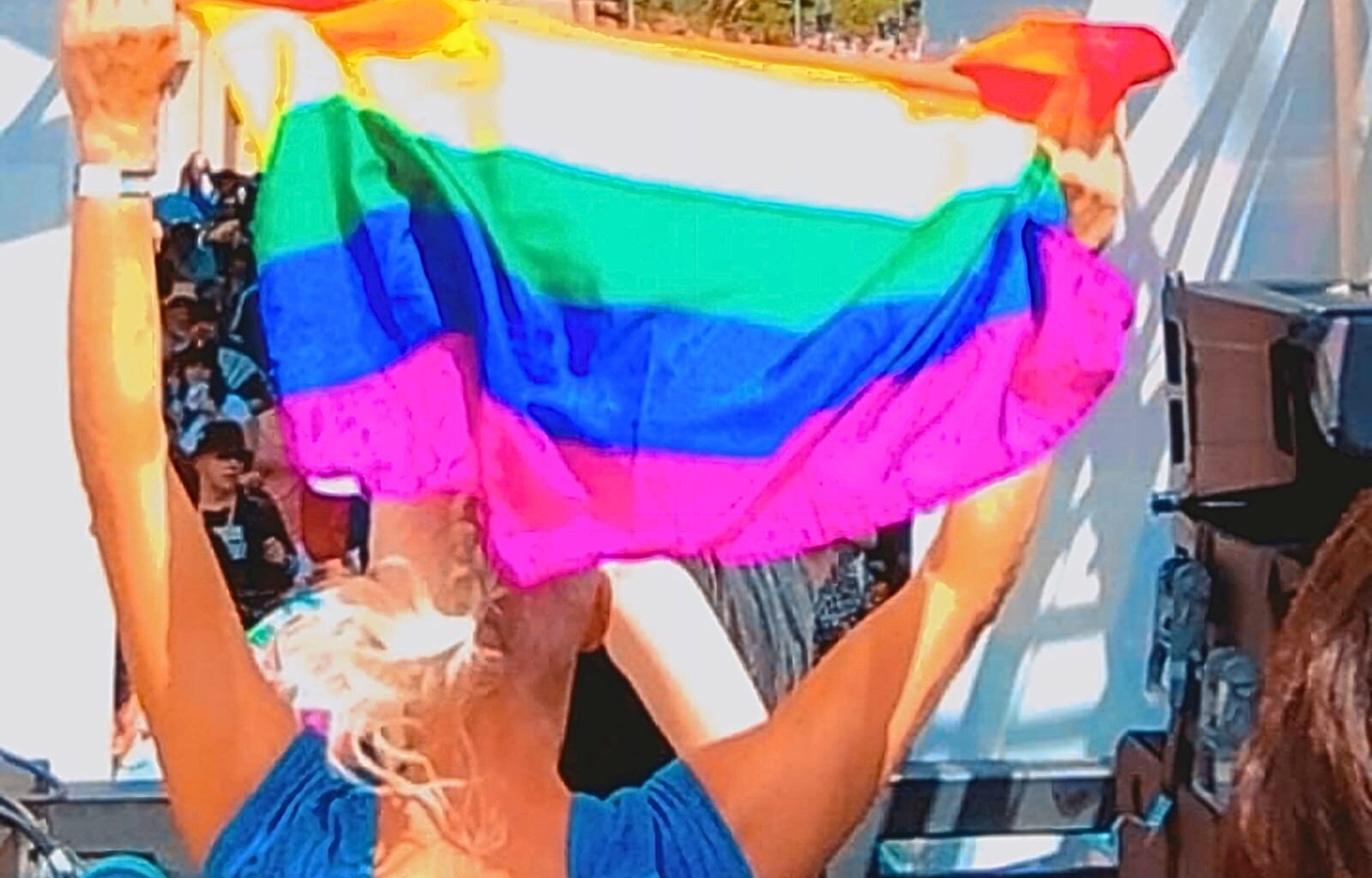
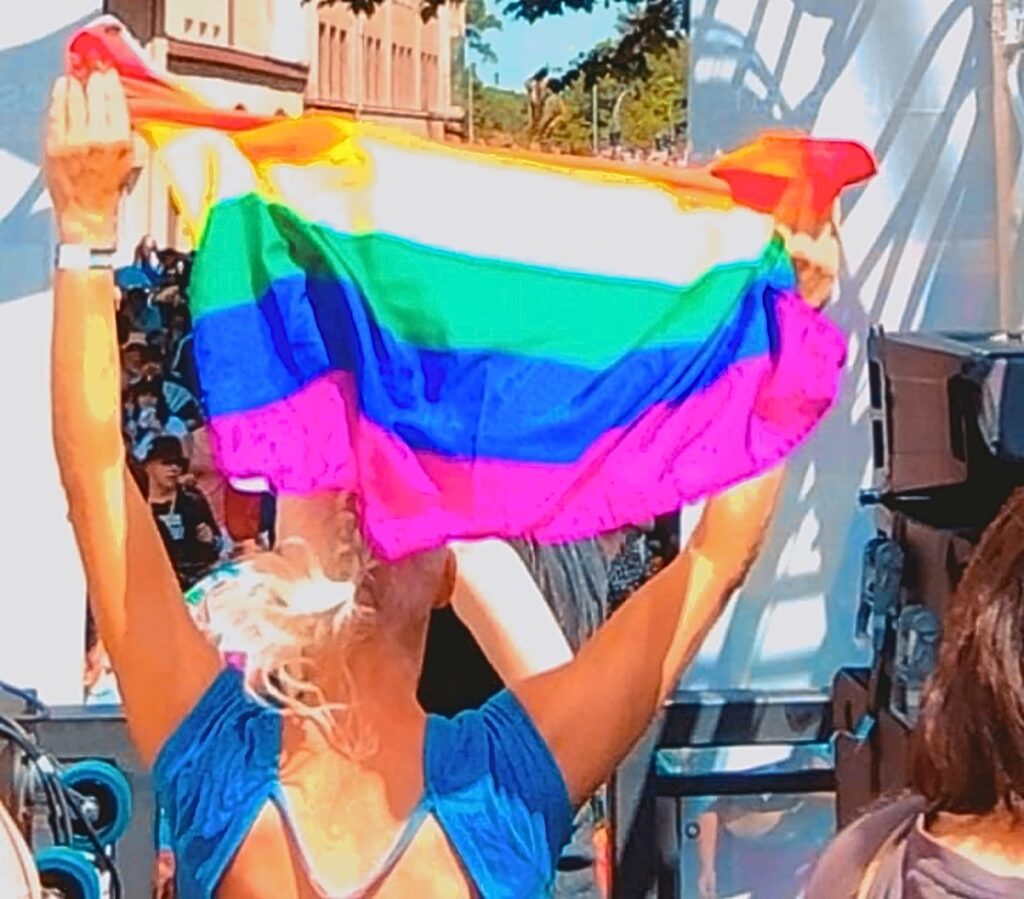 Lesbian waving the rainbow flag of the LGBT+ community during the Wetzlar Pride Parade in Germany in 2025. (Photo by @mmanoel2)
For Germany, the most populous country in the European Union and the leading economy in the Eurozone, 2025 was marked by the rise of Alternative für Deutschland (AfD), the major radical right-wing party known for its anti-immigration and anti-Islam stance.
AfD has worked to curtail LGBTQ+ rights, including same-sex marriage and adoption rights, even though its co-chair, Alice Weidel, is an openly lesbian woman living with a Swiss woman of Sri Lankan origin.
With around 21% of the vote and an unprecedented breakthrough in the Feb. 23 election, it was also a worried Germany that celebrated in the streets throughout the summer and fall of 2025, concerned about the rise of anti-rights political attitudes, particularly during Christopher Street Day (CSD) at the end of July, when, under this new government, the rainbow flag of the LGBT+ community was not raised over the Bundestag in Berlin.
Erasing 76 Crimes took the pulse of members of the lesbian community across the Rhine, in the heart of Hesse, in Wetzlar, with two supporters of CSD Mittelhessen, a local queer community organization: Laura and Kathy, both of whom are 26 years old. Laura works in the administration of the State Treasury of Hesse, while Kathy is a nurse.
Remaining vigilant
Erasing 76 Crimes: What brings you to the Wetzlar Pride march?
Kathy: We are here as lesbians to show that we are visible and that we will continue to fight for our rights. We want to preserve the gains we have made in society so that we can be free to live as we see fit. [Editor’s note: Marriage for all has existed in Germany since 2017.]
The presence of neo-Nazis
Erasing 76 Crimes: There was a group of neo-Nazi counter-protesters who stood in front of the procession. How did that make you feel?
Laura: On my own, I would have been far too scared to confront the neo-Nazis, but together, through the defense of democratic values and individual freedoms, we are united.
Kathy: There were 1,500 to 2,000 of us, while the neo-Nazis were just a small handful. In my opinion, we showed that we have greater support. And for me, this popular mobilization was the most important thing today in terms of public opinion.
Laura: Kathy and I came to Wetzlar [a city of 53,000 inhabitants] on June 14, rather than Frankfurt am Main [population around 785,000], where the [annual] Dyke March is being held today, because neo-Nazis are trying to intimidate the organizers of Pride marches held in less urbanized areas of the country. [In 2024, a total of 27 Pride marches in small towns in the former East Germany were reportedly disrupted.]
The weight of sexist prejudices and cultural beliefs
Erasing 76 Crimes: What other challenges do German lesbians face on a daily basis?
See Also
Laura: We face sexism. Men like lesbians and may fantasize about them, except when they realize they are a couple. At that point, sexual rivalry takes over and we are looked at askance.
Erasing 76 Crimes: Is there anything else?
Laura: There are people from abroad, Russians or Ukrainian refugees who come here and import their social norms and values from their religions or beliefs. They disapprove of who we are, telling us that God does not approve of this.