Home » AIRLINE NEWS » Ryanair Slashes Major Routes Across Spain, Germany, France, Belgium, and Beyond in 2026 – What You Need to Know About the Changes Impacting Travelers
Published on
January 5, 2026
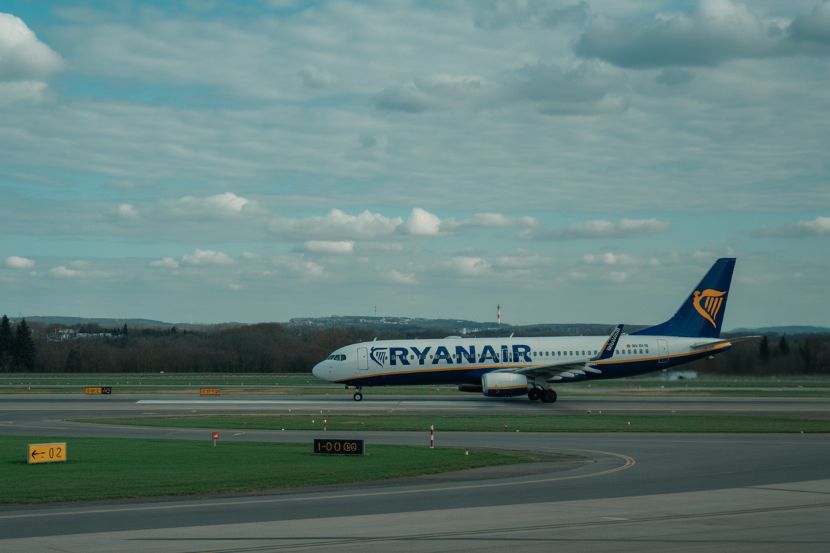
Ryanair, Europe’s largest low-cost airline, has confirmed significant cuts to its routes across Spain, Germany, France, and Belgium for 2026. As a result, millions of passengers will be left with fewer options to reach some of Europe’s most popular destinations. Ryanair’s decision to slash services has been driven by increased airport taxes, rising aviation fees, and unfavorable government policies. While the airline has been ramping up its operations in other parts of Europe, including launching new flights in Italy and the UK, these cuts will significantly impact the travel convenience of passengers flying to smaller regional airports.
With cuts to Spanish, French, German, and Belgian routes, tourism in these regions will likely see shifts in dynamics, as travelers may turn to other carriers offering similar routes or opt for alternative forms of travel. Here’s everything travelers need to know about the 2026 Ryanair route cuts and the potential impact on European travel.
Major Route Cuts in Germany: The Impact on Travelers to Regional Airports
Germany has been one of the hardest-hit countries by Ryanair’s 2026 route reductions. The airline has announced the suspension of 24 routes to and from Germany, cutting almost 800,000 seats in the process. Nine airports are already affected, including Hamburg, Berlin, Cologne, Memmingen, Frankfurt-Hahn, Dresden, Dortmund, and Leipzig. These cuts will reduce the frequency of services to smaller airports, which are already struggling due to sky-high access costs and regulatory fees imposed by the German government.
Ryanair has made it clear that the high air traffic control (ATC) fees, combined with excessive aviation taxes in Germany, have made these routes unsustainable. Furthermore, Ryanair has criticized the German government for not following through on promises to lower these taxes, unlike other European countries that have taken steps to reduce airport costs to boost competitiveness and economic recovery. For travelers, these changes could mean fewer flight options and higher fares, particularly on routes that are now less financially viable for the airline.
Cuts to Spanish Routes: A Major Blow to Regional Tourism
In Spain, Ryanair has announced capacity reductions of approximately 1.2 million seats for the summer 2026 schedule. Asturias, Vigo, and Santiago de Compostela are among the hardest-hit destinations. Ryanair will also stop flights to Tenerife North and Jerez, and Valladolid will see its base permanently closed. The airline has cited the monopolistic pricing policies of Spanish airport operator Aena as a key reason for these cuts.
According to Ryanair, smaller Spanish airports are now charging similar fees to busy hubs like Madrid and Barcelona, making regional flights economically unfeasible. In response, Ryanair plans to shift capacity to larger airports in Spain and other European destinations where operational costs are lower. This move could disrupt local tourism in these regions, as travelers may opt for more affordable routes to other countries, such as Italy, Morocco, or Croatia.
Ryanair’s Flight Cancellations in France: Impact on Passengers to Regional Airports
Ryanair has also announced cuts to several French routes in 2026, including the **suspension of flights to Bergerac, Brive, and Strasbourg. These reductions are partly due to higher aviation taxes and airport fee hikes in France. While the airline plans to restart services to Bergerac in summer 2026, the future of Brive and Strasbourg remains uncertain.
Ryanair’s decision has sparked debate in France, with many travelers concerned about the lack of affordable alternatives to regional airports. As Ryanair moves its operations to other countries with more favorable tax policies, France risks seeing a decline in regional tourism. This may lead to increased competition among European budget airlines, with airlines like Vueling and Iberia likely to benefit from Ryanair’s absence on certain routes.
Belgian Route Cuts: What This Means for Travelers in Brussels and Charleroi
In Belgium, Ryanair has confirmed the removal of 20 routes from Brussels and Charleroi airports, which will reduce its Belgian capacity by around one million seats for the winter 2026/27 schedule. The airline has pointed to a new aviation tax that will see passenger fees double to €10, making the country’s regional airports less competitive than alternatives in Southern Europe.
While Belgium’s regional airports struggle to remain profitable due to high operational costs, Spain’s airports also continue to face similar challenges. However, Ryanair has emphasized that if these issues are addressed, it would consider increasing capacity once again to help revive tourism in affected regions.
The Impact on Travelers: What You Need to Know for 2026
Ryanair’s route cuts will have far-reaching consequences for European travelers. In addition to increased ticket prices and fewer options for flights to regional destinations, passengers may face increased competition among budget airlines on the remaining routes. Although alternative airlines like Vueling, Binter, and Iberia have already begun to fill the gaps left by Ryanair, passengers will need to be more strategic in their planning.
For those planning travel to smaller airports in Spain, France, and Germany, it is crucial to keep an eye on Ryanair’s announcements for any further cuts. Travelers should also explore other low-cost carriers and train travel options as Ryanair shifts its focus to larger airports and more affordable regions in Italy, Poland, Morocco, and Sweden.
Looking Ahead: The Future of Ryanair’s European Operations
While Ryanair’s route cuts in Germany, Spain, France, and Belgium may seem drastic, the airline remains committed to providing affordable travel across Europe. If governments take action to address the aviation tax and airport fee hikes, Ryanair has indicated that it would be willing to expand operations once again.
As the airline adapts to the changing European aviation landscape, passengers can expect new opportunities for travel to countries with more competitive airport costs and lower taxes. The key for travelers is to stay informed about the latest updates and to consider alternative routes and carriers for their next European adventure.
