
Fashion in London no longer follows seasons alone. In 2026, algorithms, identity and a changing relationship with consumption shape how people dress. While runways and trend forecasts still exist, their influence has softened. Instead, data, personal values and lifestyle realism now guide everyday style choices.
Rather than asking what is trending, shoppers increasingly ask what fits their life, their budget and their long-term needs. This shift does not come from boredom with fashion, but from a sharper understanding of how clothing functions in daily life. Londoners now dress with intent, not impulse.
This is not the future of fashion. It is the present.
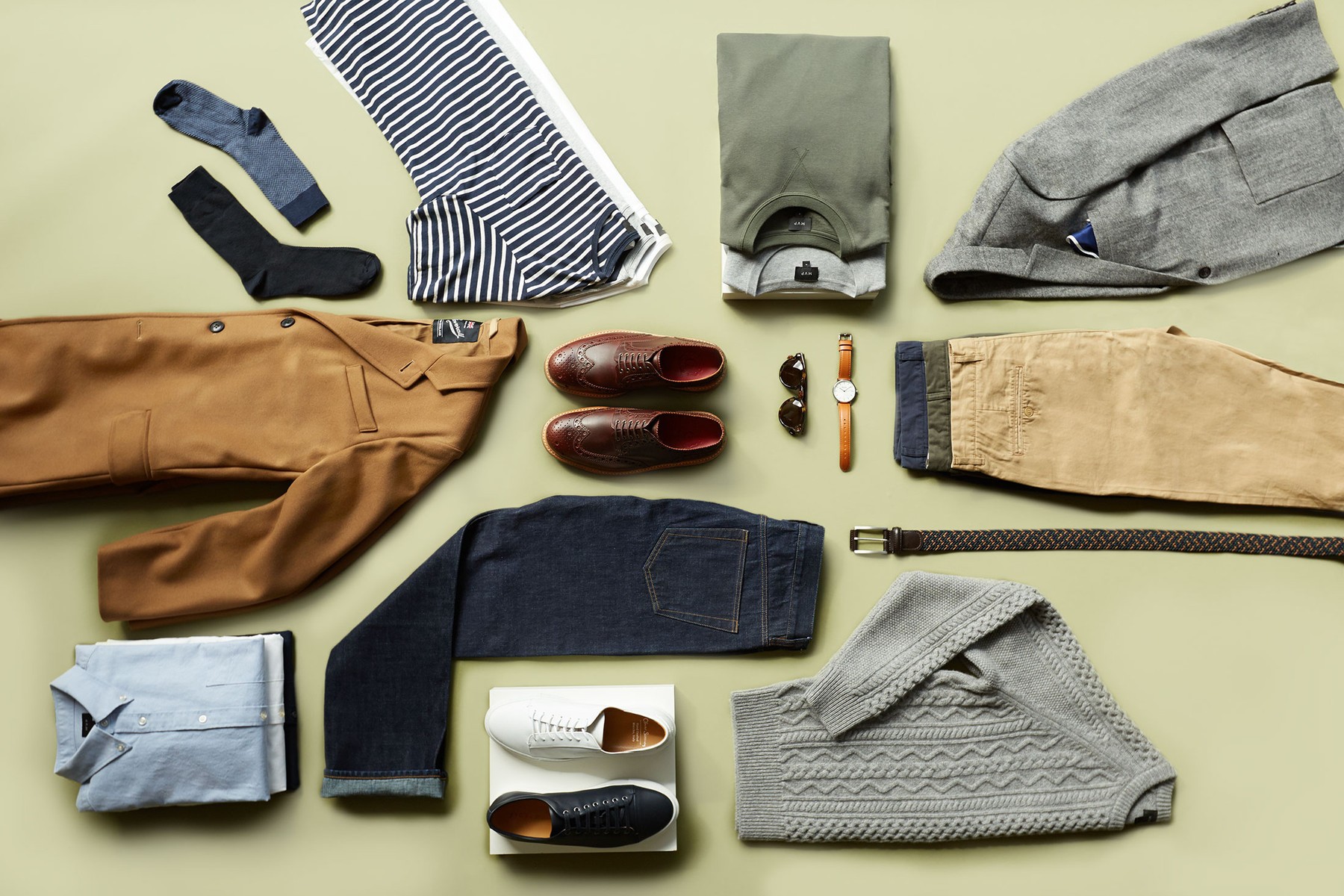
1. AI Styling Is Quietly Changing How Londoners Dress
AI no longer sits on the fringes of fashion. In 2026, it plays a practical, accessible and quietly influential role in everyday decision-making.
Across London, people actively use AI-powered tools to:
- Build capsule wardrobes around their lifestyle
- Restyle existing pieces in new combinations
- Predict cost-per-wear before purchasing
- Identify genuine wardrobe gaps instead of duplicating items
Instead of scrolling endlessly for inspiration, shoppers rely on personalised recommendations that reflect how they actually live. Someone commuting daily and socialising after work receives different suggestions from someone working remotely or prioritising gym-to-street dressing.
As a result, people now base styling decisions on data rather than trends. They learn how to maximise what they already own before adding something new. Consequently, impulse buying continues to decline, while intentional wardrobes become the norm.
In a city where space, money and time remain limited, AI offers clarity rather than automation.
2. The Death of the Trend Cycle
Microtrends now move too fast to carry meaning. In an endless scroll of aesthetics, longevity has become the real marker of style credibility.
In 2026:
- Personal uniforms replace trend hopping
- Repeat outfits feel normal and even aspirational
- Consistency, not novelty, signals style confidence
Rather than reinventing their look every season, Londoners refine it. A preferred silhouette, colour palette or tailoring style becomes recognisable over time. Repetition no longer suggests stagnation. Instead, it communicates certainty.
London fashion has therefore entered a post-trend era. People now express individuality through refinement rather than reinvention. The most stylish individuals no longer wear the newest thing, but the thing that looks most like them.
Trends still exist, but they influence subtly and fade without ceremony.
 Photo by Clem Onojeghuo on Unsplash
3. Digital Wardrobes and Resale Intelligence
Every purchase now carries a second life. Shoppers no longer buy in isolation. They buy with future value in mind.
Increasingly, Londoners factor in:
- Resale value
- Brand longevity
- Fabric durability
- How easily an item can re-enter the market
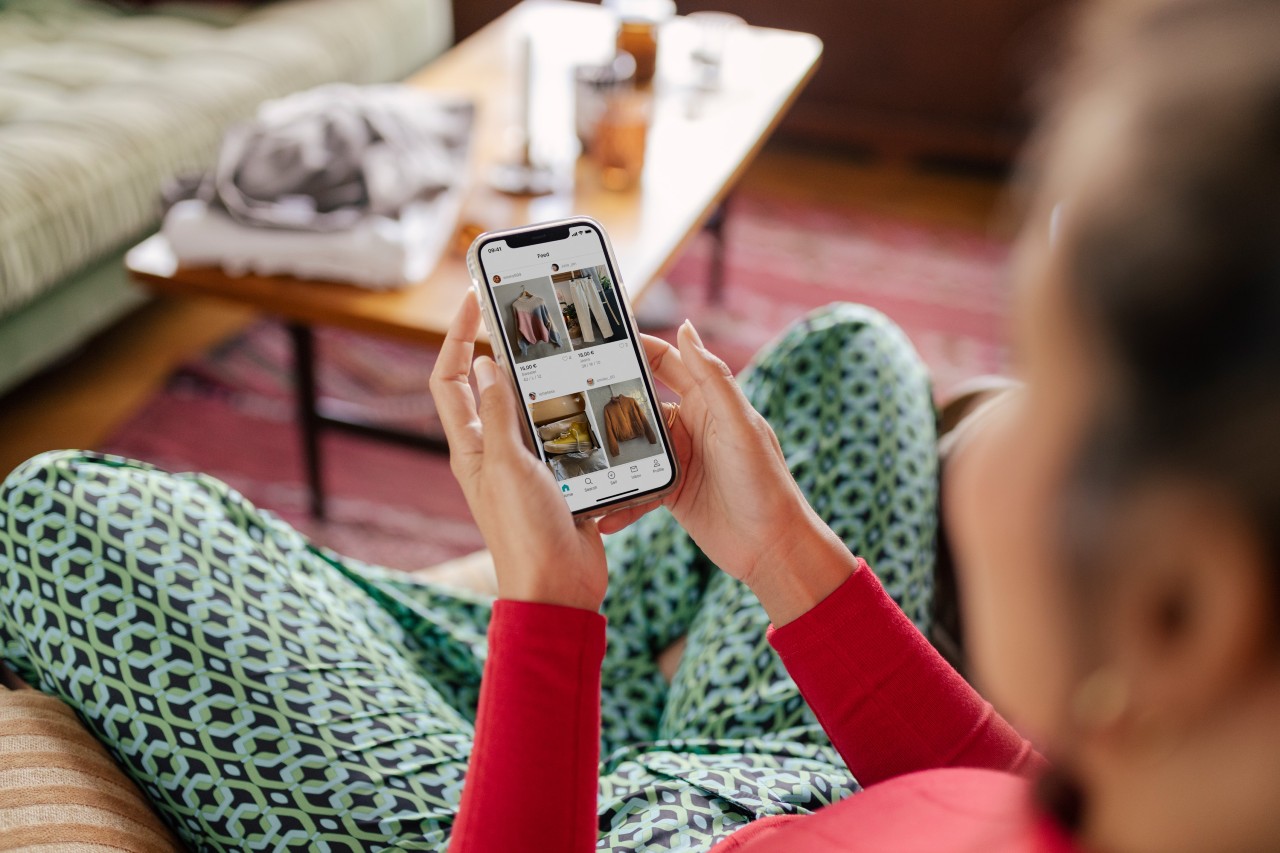
Digital wardrobe apps and resale platforms have reshaped how people think about ownership. Shoppers track, catalogue and evaluate their clothing rather than simply wearing it. Before checkout, they ask whether a piece will still feel relevant in a year or whether it will age quickly.
Resale intelligence now shapes decisions long before payment. Pieces that photograph well, age gracefully and maintain relevance rise to the top. Meanwhile, poorly made or overly trend-driven items drop out early.
As a result, ownership feels more strategic and measured. In London, owning well matters more than owning more, and fashion now operates as an ecosystem rather than a one-way transaction.
4. Status Without Traditional Luxury
Luxury in 2026 looks fundamentally different from the past. Logos no longer dominate the conversation, and recognisable branding rarely signals status on its own.
Instead, people communicate status through:
- Fit and tailoring
- Fabric quality
- Clean, understated silhouettes
- Rarity created through restraint rather than excess branding
Independent labels, resale discoveries and carefully chosen staples now carry more cultural weight than overt luxury markers. A perfectly cut coat from a lesser-known brand often speaks louder than a logo-heavy alternative.
In London, where fashion literacy runs high, subtlety has become aspirational. Knowing when not to signal has become a form of social currency.
This shift has also levelled the playing field. Style authority now comes from taste, intention and awareness rather than spending power alone.
5. Fashion as Identity, Not Performance
The loud performance of style has faded. In its place sits something quieter, more grounded and more personal.
Today:
- Clothing reflects values, routines and self-awareness
- Sustainability feels expected rather than marketed
- Authenticity consistently outperforms aspiration
Rather than dressing for an imagined audience, people dress for themselves. Comfort, confidence and alignment with personal values now matter more than visibility or validation.
This shift does not make fashion dull. Instead, it makes it honest. Personal style grows out of routine, community and lived experience rather than viral moments.
As a result, London fashion feels calmer, sharper and more self-assured. The city now dresses the way it lives: intentional, diverse and quietly confident.
 Photo by MohamadReza Khashay on Unsplash
Where the Future of Dressing Is Headed
Taken together, these shifts point towards a fashion culture that feels smarter, slower and more self-aware. AI supports better decisions without replacing creativity. Trends still exist, but no longer dictate behaviour. Ownership has become strategic, and identity now sits at the centre of every wardrobe.
In 2026, the most influential fashion platforms will not simply tell people what to wear. Instead, they will help people understand why they wear it.
That is where the future of dressing truly lives.