– Advertisement –
Manchester City Council starts 2026 with news it will receive 23pc MORE funding than first thought.
The government has made huge changes to the grants councils receive, which means councillors have gone from closing a £19m budget black hole to spending a £14m surplus.
Officials have long argued Manchester was among the hardest hit by austerity from 2010 onwards, claiming the authority would have been £60m better off every year if it was only hit with the ‘average cut’. But new government reforms mean, by 2027, Manchester will be better off than average – so town hall bosses are now vowing to ‘rebuild front-line services’.
“Mancs will begin to feel something that has been missing for a long time: Hope,” Rabnawaz Akbar, executive councillor for finance, told the Local Democracy Reporting Service on Monday (January 5).
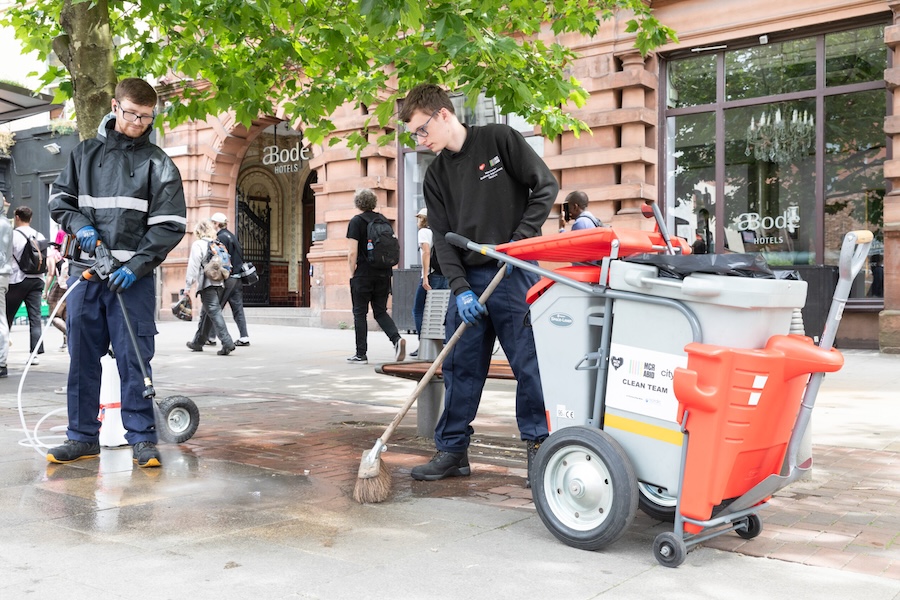
“Clean and tidy neighbourhoods give people that pride in place and a feel-good factor. We have that extra money and we will look at improving the neighbourhood service to give people that hope.
“But just because we have more money does not mean we will spend it without thinking about it. We will still deliver services in the most effective means, we will continue to invest in preventative measures in adults’ and childrens’ services.”
It’s understood extra cash could also be spent on gully cleaning, park maintenance, and a crackdown on rogue private landlords.
Reforms to local government finance were key Labour pledges, and after giving councils a £20m ‘recovery grant’ in the government’s first year, ministers have laid out long-term plans.
They include ‘multi-year settlements’ for the first time in a decade, effectively confirming how much cash town halls will receive in three years’ time. The overhaul also includes new formulas taking deprivation and population change into account, keeping the £20m recovery grant, and factoring in business rates into forecasts.
However, council tax will still rise by nearly 5pc in April, the maximum allowed without a citywide referendum, it was confirmed last month. At the time, Coun Akbar defended it as a prudent move: “It’s built into all the government assumptions that council tax will increase by 4.99pc. There are authorities, since 2016, which did not increase but maximum allowable.
“Once you do not raise it, you lose it forever. Last year, 30 councils asked the government for exceptional financial support – 19 had not asked for the maximum allowable council tax from 2016.”
– Advertisement –