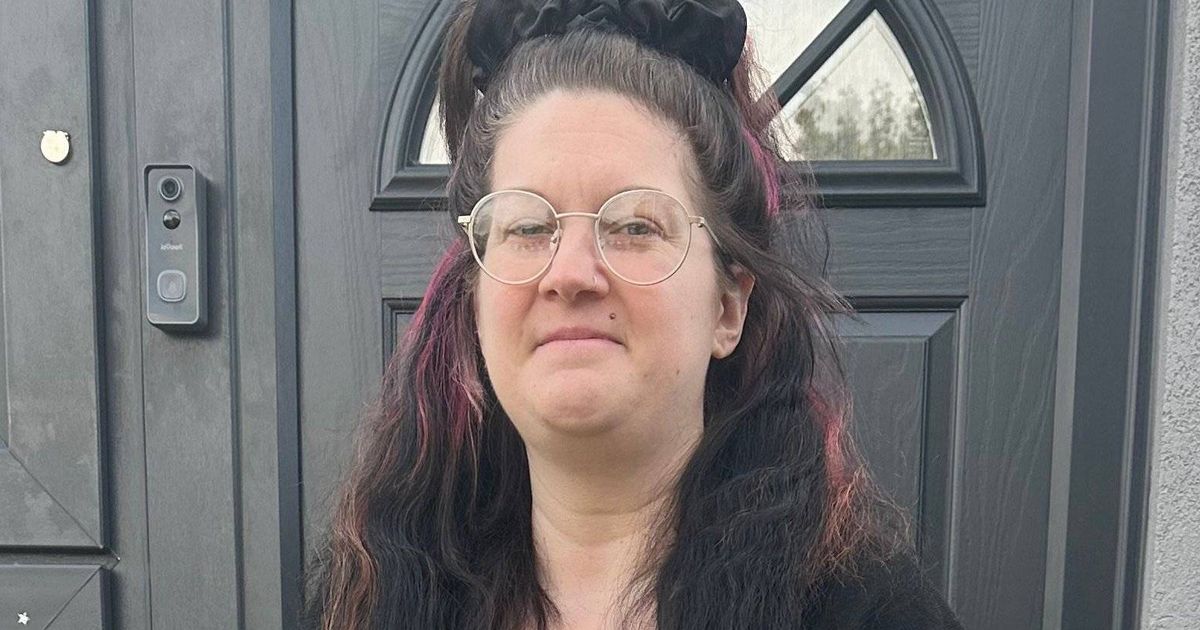
Victoria Johnston, 35, from Milton Keynes says her life was turned upside down after she collapsed at work and was unable to feel her legs – it took nearly three years to get a full diagnosis
09:08, 05 Jan 2026Updated 11:27, 05 Jan 2026
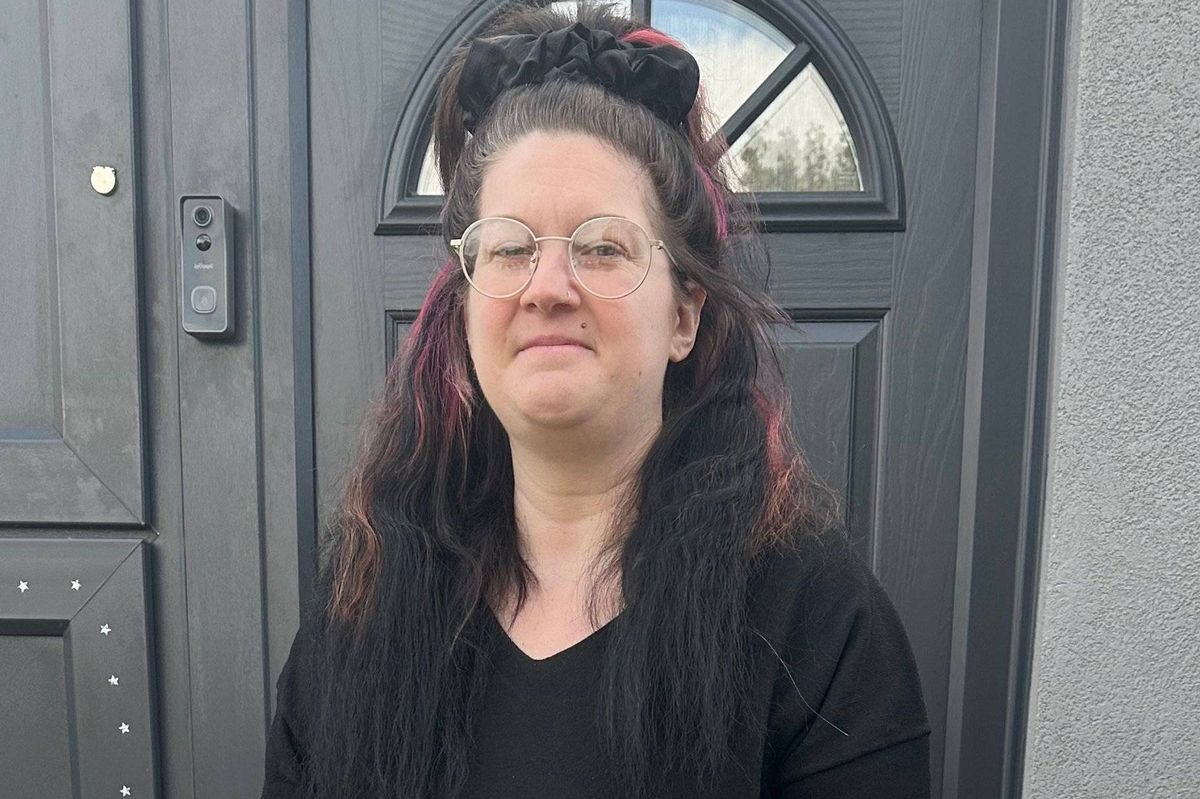 Victoria was diagnosed with a rare condition that was originally mistaken for MS
A woman’s world was turned on its head when she collapsed and became paralysed due to a rare disease, initially misdiagnosed as MS.
Victoria Johnston was in good health when she took a tumble at work in spring 2022, finding herself unable to feel her legs. The 35-year-old endured months of medical examinations to pinpoint the cause of her condition, eventually receiving a diagnosis of Chronic Inflammatory Demyelinating Polyneuropathy (CIDP) – an uncommon, progressive autoimmune disorder.
Milton Keynes -based mum-of-two Ms Johnston says the diagnosis dramatically altered her family’s life overnight. She had to give up her thriving cleaning business, which she ran with her partner, who suddenly found himself as the full-time carer for her and their children.
After her complete diagnosis – which arrived nearly three years post-collapse – Ms Johnston believes the UK could learn from the US in terms of CIDP treatment, where patients receive care much faster. She has since set up a TikTok page about CIDP, hoping it might guide others like her through life post-diagnosis.
READ MORE: Growing signs Donald Trump plans Greenland invasion as UK position dubbed ‘extraordinary’READ MORE: Mum and daughter die in Christmas food poisoning tragedy as five doctors under investigation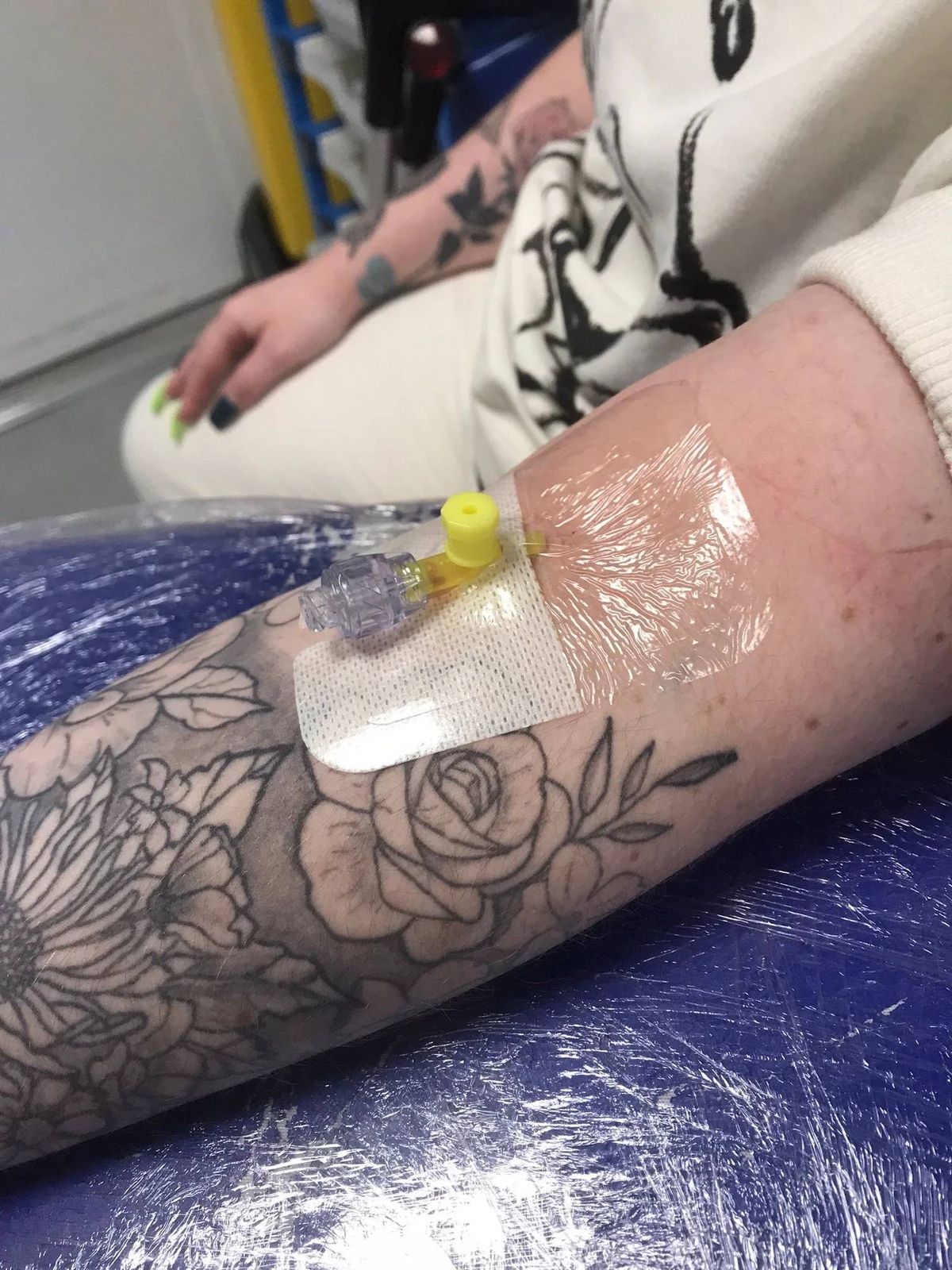 She was in good health before taking the ‘sudden’ fall
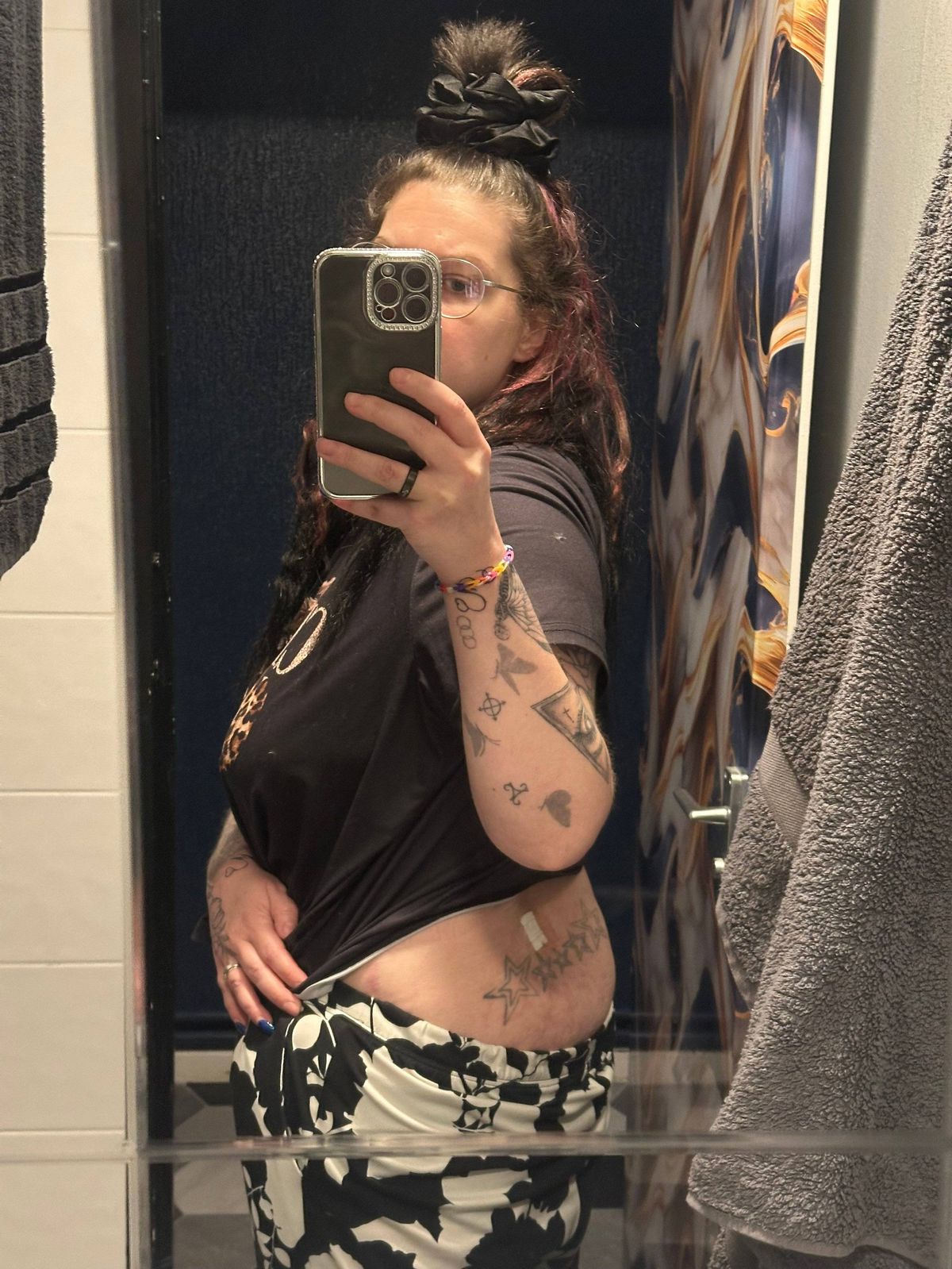 Her family’s life was altered overnight
It’s estimated that about 650 people are diagnosed with CIDP in the UK annually, with full diagnoses often taking several years. Ms Johnston admits that part of her wished she had been diagnosed with the better-known and more effectively treated chronic neurological disease multiple sclerosis (MS), which doctors initially suspected, given the rarity of her actual condition.
Ms Johnston reveals she received no information whatsoever about CIDP following her diagnosis, leaving her completely dependent on her partner for daily tasks.
“It’s a progressive disease – it just eats away at your body,” she explained. “At the end of April 2022, I stepped out of a door at work and my legs just collapsed.
“I couldn’t move. I was temporarily paralysed. It lasted about half an hour, but I never fully got the feeling back in my right leg. I walked out the door and collapsed into a pile on the floor.”
Following an MRI scan, medics initially suspected Ms Johnston might be suffering from Cauda Equina Syndrome – a serious condition involving compressed nerves at the base of the spinal cord. “Luckily, I didn’t have that,” she said, “But I did have two slipped disks and spinal stenosis – narrowing of the spinal canals. It appeared to come out of nowhere.”
Ms Johnston was then referred to a spinal consultant, underwent a second MRI in August, and had nerve conduction tests carried out in September. Come October – over six months following her workplace collapse – a spinal consultant finally confirmed she had CIDP.
Ms Johnston questioned medics about whether the condition would prove fatal, before they carried out further tests to determine if the disease was genetic – something she describes as ‘absolutely terrifying’.
“To know I could have passed something onto my children was a lot to take in – especially with everything that was going on,” she said. “My body was getting to the point where I couldn’t use the stairs.
“My partner went from partner to carer. I went downhill so quickly… It was absolutely awful. My body was just deteriorating completely.”
 She’s lost significant amount of feeling in her legs
Mrs Johnston didn’t receive her full CIDP diagnosis until November of the previous year, a staggering two-and-a-half years after her initial collapse.
“Because I have been left just over three years, I have gone from being fully independent, running, cycling, swimming and running my own successful business to this,” Mrs Johnston shared.
“I’m reliant on my partner to get dressed, look after the kids. Even trips out with friends or going out for meals are difficult.
“It’s not just my life, it’s my partner’s and my kids’ lives that are affected as well. Both our kids have been homeschooled for the past year. It has been difficult for me… I feel like I’ve failed my kids.”
Ms Johnston previously ran a local cleaning business with her partner, David McReynolds, but had to relinquish it due to her health. Mr McReynolds also had to step away from the family business to care for his wife and their children – nine-year-old Myia and 12-year-old Willow – full-time.
Following her diagnosis, Ms Johnston was scheduled for regular reviews, with doctors planning to initiate her on immunotherapy treatment. However, she suffered a relapse in June this year, which further worsened her condition, leaving her in ‘excruciating pain’ on some days.
“My legs are 75 per cent paralysed on my right and 50 per cent paralysed on my left side,” Ms Johnston revealed. “It’s now affecting me a lot more. It’s horrifying.
“One in three people end up permanently paralysed if they are treated after being diagnosed with CIDP. Most CIDP sufferers are in a wheelchair within ten years of their diagnosis, without treatment.”
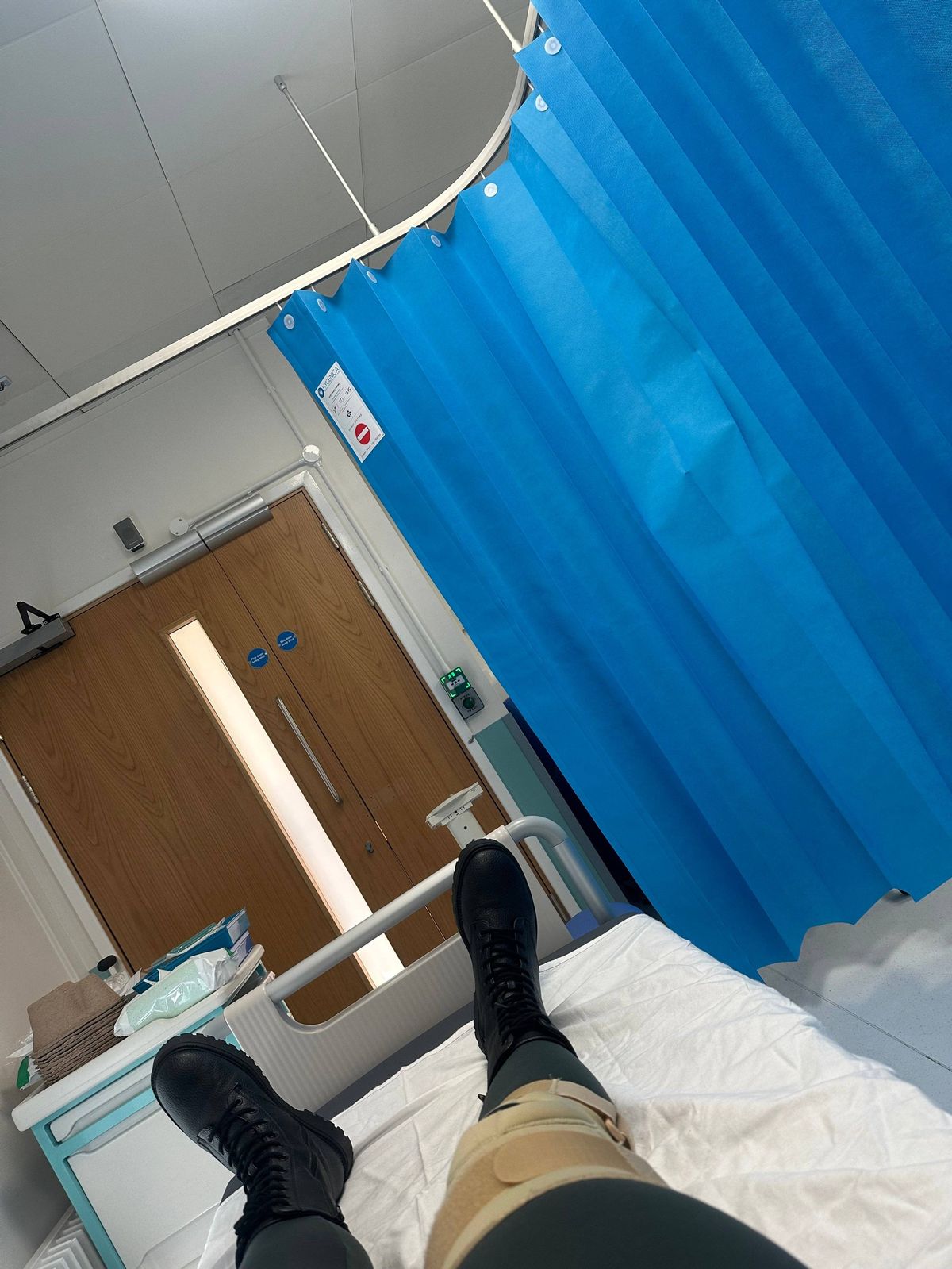 Victoria was later diagnosed with CIPD
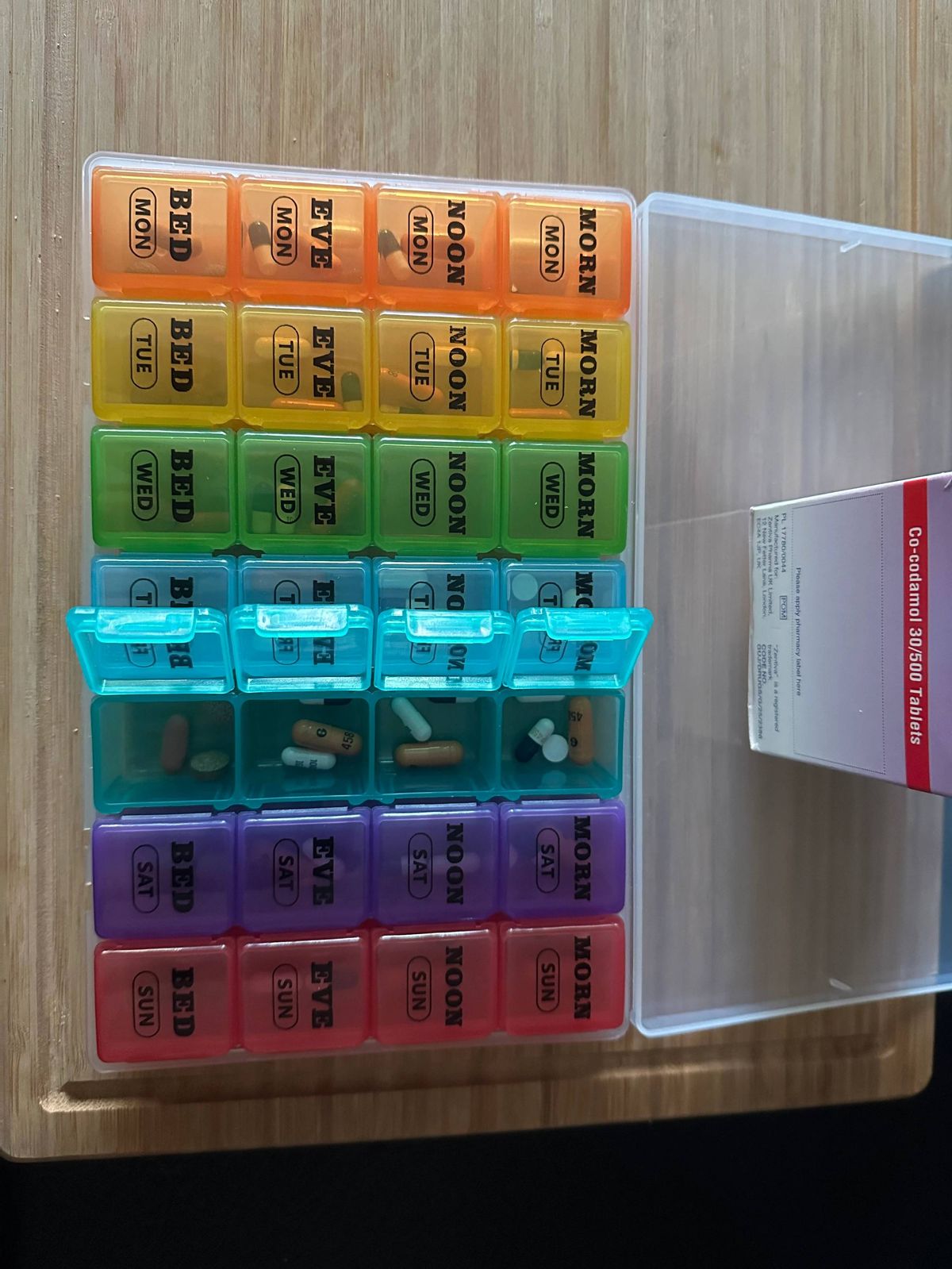 She said she was ‘grieving for her life’
Such is the obscurity of CIDP that Ms Johnston found herself having to educate medics about her condition when she arrived at hospital following her relapse, as staff were preparing to place her on the stroke ward. Medical professionals are now hoping to begin Ms Johnston’s gruelling immunotherapy regime, which will initially involve five consecutive days of treatment lasting eight hours daily, followed by maintenance sessions of one to two days every three weeks for life.
Yet doctors have since informed her that they suspect she may be suffering from an even more uncommon variant of CIDP, potentially requiring alternative, tailored treatment. Through her ordeal, Ms Johnston has discovered that CIDP care is significantly superior across the Atlantic.
“America is really big on CIDP,” she explained. “They start you on treatment within six months. I was getting so frustrated, not being given the treatment you know is out there… I felt abandoned and unsupported. You can’t muck about with people’s physical health.”
Ms Johnston has launched a TikTok profile to highlight CIDP and support others facing comparable challenges. “People take things for granted; doing things with their kids, days out – even food shopping, anything that’s normal to most people,” she explained.
“The TikTok blog is all about raising awareness. If I can help others going through the same journey, that would make me happy.
“Also, you would be surprised how much talking into a camera on TikTok helps. I am trying to turn it into something positive.
“My career was flipped on its head, my physical fitness, my relationship with my family. And yet I was not even given a leaflet when I was diagnosed. It was such a shock. We didn’t tell the kids straight away because we didn’t understand it ourselves.
“It has become their new normal now, but they still don’t understand why I can’t participate in their activities. If it were something more well-known, the chances of leading a more normal life would be more likely.
“I am almost grieving for the life I thought I was going to have. It’s a loss of your individuality, your freedom, your work life. I’m 35 now and I was 32 when I was diagnosed. We were planning on going travelling when the kids are older.
“I am just taking each day as it is. It’s almost like acceptance in the grieving process. It was a fight just to get the treatment. We have adapted our lives to fit around me. My partner has had to give up work as well. I sometimes feel guilty, but I am so proud of my kids – they have just got on with it.”