Frenchwoman Nina Métayer, best pastry chef in the world since 2024, can only agree: France is the country of savouriness. Renowned today as a “world icon of French pastry”, Nina Métayer dreamt of being a baker before turning into a pastry chef. She keeps strong ties with French region specificities: with Paris, that she loves, but also La Rochelle, the city she was born in, and Normandy, where she lives! The important thing in pastry, as she often says in her interviews, is to provide pleasure and “bring joy”. For Nina Métayer, cooking pastry means offering to everybody “an experience, a moment of happiness, and to ensure every aspect of what we create reflects this joy”. And there’s plenty of joy and happiness in this little tasty trip!
A podium of desserts by region
A survey led last year by a major independent institute for professional of the sugar industry tried to find what were the favourite desserts of the French, depending on their origin. First observation: the French have plenty of choice to finish their meals with a fine touch! There’s a lot to choose from, and the study reveals that the French keep strong ties with the traditions of regions, their origin, and their diet. And this regional pride shows in the Top 3 of dessert dishes:
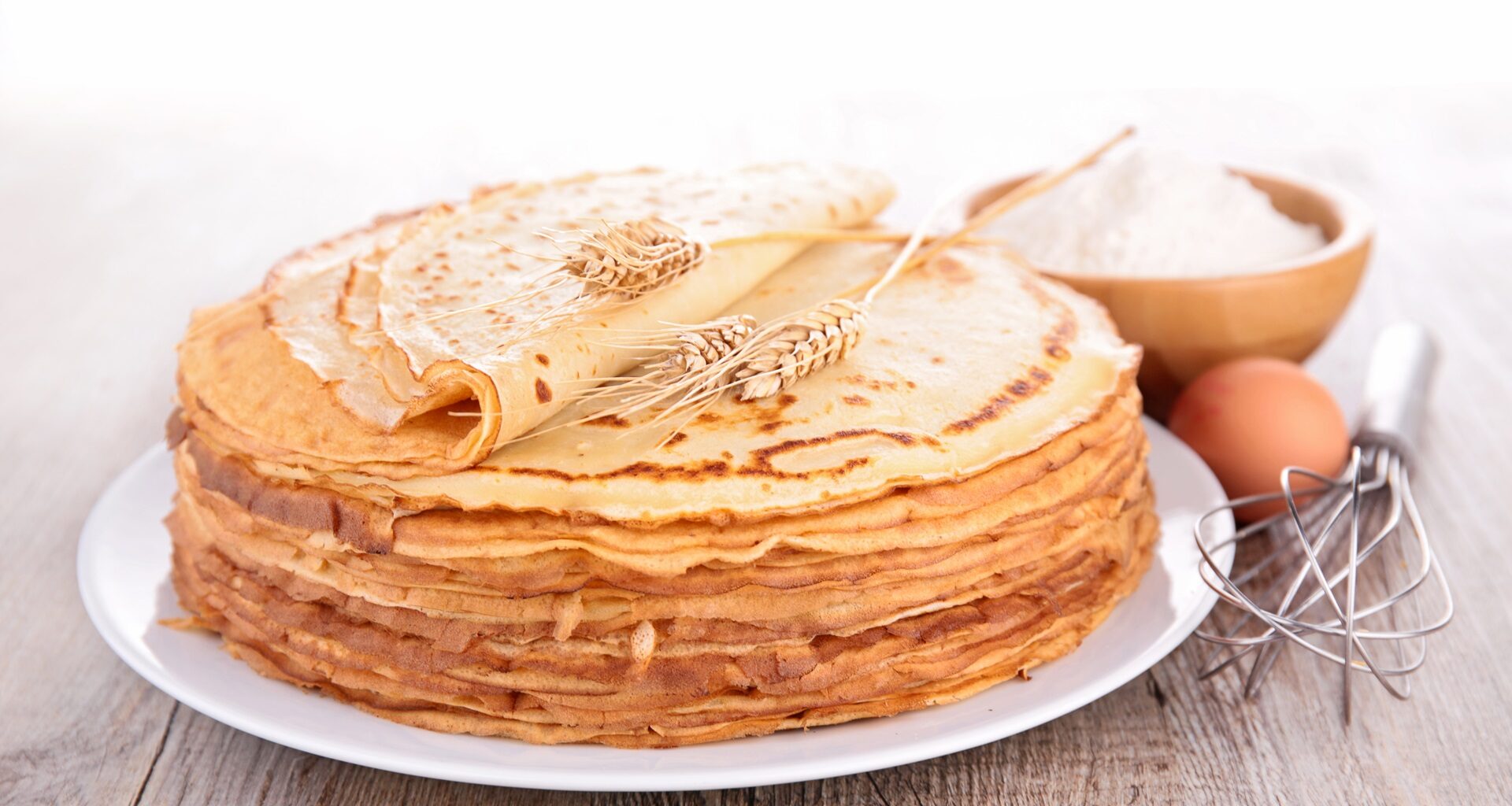
- First position: the crepe, the favourite dessert of the French. Obviously, crepes are popular in France, but also in other countries! This dessert is easy to cook and only needs basic ingredients, and it has turned into the “superstar of the national podium”, whichever region is studied. Though the origin of the crepe is mostly unknown, France claims being the “cradle of crepe”, with the Bretagne region as its capital.
- Second position: fruit pies and tarts. Fruit pie is popular in all regions of France, and it’s also a dessert that is easy to cook, all the more because French fruits are among the most natural, and less treated with chemicals. According to specialists, tarts encapsulate the “spirit of French pastry: apparent simplicity, technical control and care to the product”. All French regions have their speciality: apple tart in Normandy, mirabelle pie in Lorraine, strawberry pie in Dordogne.
- Third position: clafoutis. Clafoutis are slightly more complex to cook than pies, and it’s a true French creation born in the Limousin region. Traditionally, the clafoutis is a custard pie made with cherry, but it can be cooked with apples, pears, apricots or plums. The whole orchard can fit in your plate!
All-time classics, icons of French tradition
In addition to regional specialities made with local products, the pastry tradition in France is showcased with “major sweet classics”, which cooking rules refined over the years and are now often “restyled”. Experts list hundreds of desserts with the “French quality” label, but while there are a few key classics, but for all the rest, you may try your local boulangerie of pastry shop, because in France bakeries and also most often good pastry shops!
Here a the most famous ones:
- Paris-Brest. Created as tribute to the bicycle race from Paris to Brest in 1905, this cake has buttercream, praline and choux pastry and is shaped as a bike wheel. It has a sports reference, but it’s not very light, so you’ll need a lot of exercise to take it out of your system;
- Saint-Honoré. Named as the Christian saint of pastries, Saint-Honoré is one of the classics of French desserts. It’s made with chantilly cream, creme patissiere and choux buns covered in icing, Saint-Honoré mixes tradition and treat;
- macarons. Made popular by Sofia Coppola’s movie about queen Marie-Antoinette, macarons don’t need any introduction. These little round cakes are sweet, highly coloured, and are made with meringue, stuffed in their centre with various light and crispy flavours!
- creme brulee. Creme brulee is made with four very basic ingredients: eggs, cream, sugar and vanilla, and it’s one of the favourite desserts of the French. Two layers of creamy and crispy pleasure…
- tarte Tatin. As France.fr, official website of tourism in France, explains that the creation of this dessert by the Tatin sisters is accident, having cooked too much their apple pie they decided to “keep the caramelised apples and add the dough on top”… The tarte Tatin was born!
- the éclair. Invented in the 19th century, the golden age of pastry, the éclair is made with choux pastry stuffed with coffee, chocolate or vanilla, with an icing made with melting sugar. A pastry “as striking as lightning!”, says France.fr;
- millefeuille. This one too was created (or recreated) in the 19th century. The millefeuille is a combination of puff pastry and creme patissiere. The classic recipe indicates that it contains 729 layers of puff pastry, but “sometimes as many as 2,000, always arranged in three tiers, alternating with layers of cream.”
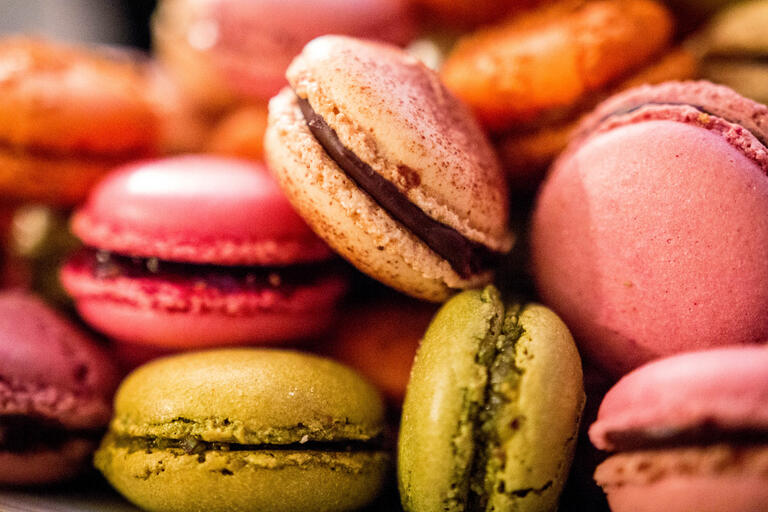
macarons
© Thierry Leclerc/Flickr Creative commons CC BY-ND 2.0
Festive desserts, made for celebration
Beyond the great classics, enjoyed year-round and on all occasions, what would the end-of-year holidays be without desserts that are truly specific and special, conceived and crafted to make the celebrations even more festive?
Two such emblematic holiday desserts stand out:
- The Christmas bûche (Yule log). Before becoming a dessert, the bûche de Noël was quite literally a piece of wood burned in the fireplace, symbolizing the shared warmth of the household. In the 19th century, pastry chefs came up with the idea of transforming this emblem of harmony into a rolled sponge cake, a way of continuing to evoke “the symbol of a moment when people come together.” Today, the bûche comes in countless variations: from the most sophisticated creations designed by leading chefs to more modest homemade versions, not to mention the many frozen bûches with fruity and exotic flavours. The bûche de Noël remains “an enduring and unrivaled French classic.”
- desserts from Provence. There are thirteen desserts from Provence, like the thirteen guests at the Last Supper, Christ and his twelve Apostles, in Christian tradition. Provençal desserts are a custom that originated, as their name suggests, in Provence. Depending on village and family traditions, these desserts share broadly the same components: pompe à huile (a brioche-like bread flavoured with olive oil and orange blossom), nougats, dried figs, almonds, walnuts, raisins, dates, candied lemons, and more.
If you have a sweet tooth, your mouth is probably watering by now. But with or without sugar, enjoy the holiday season!